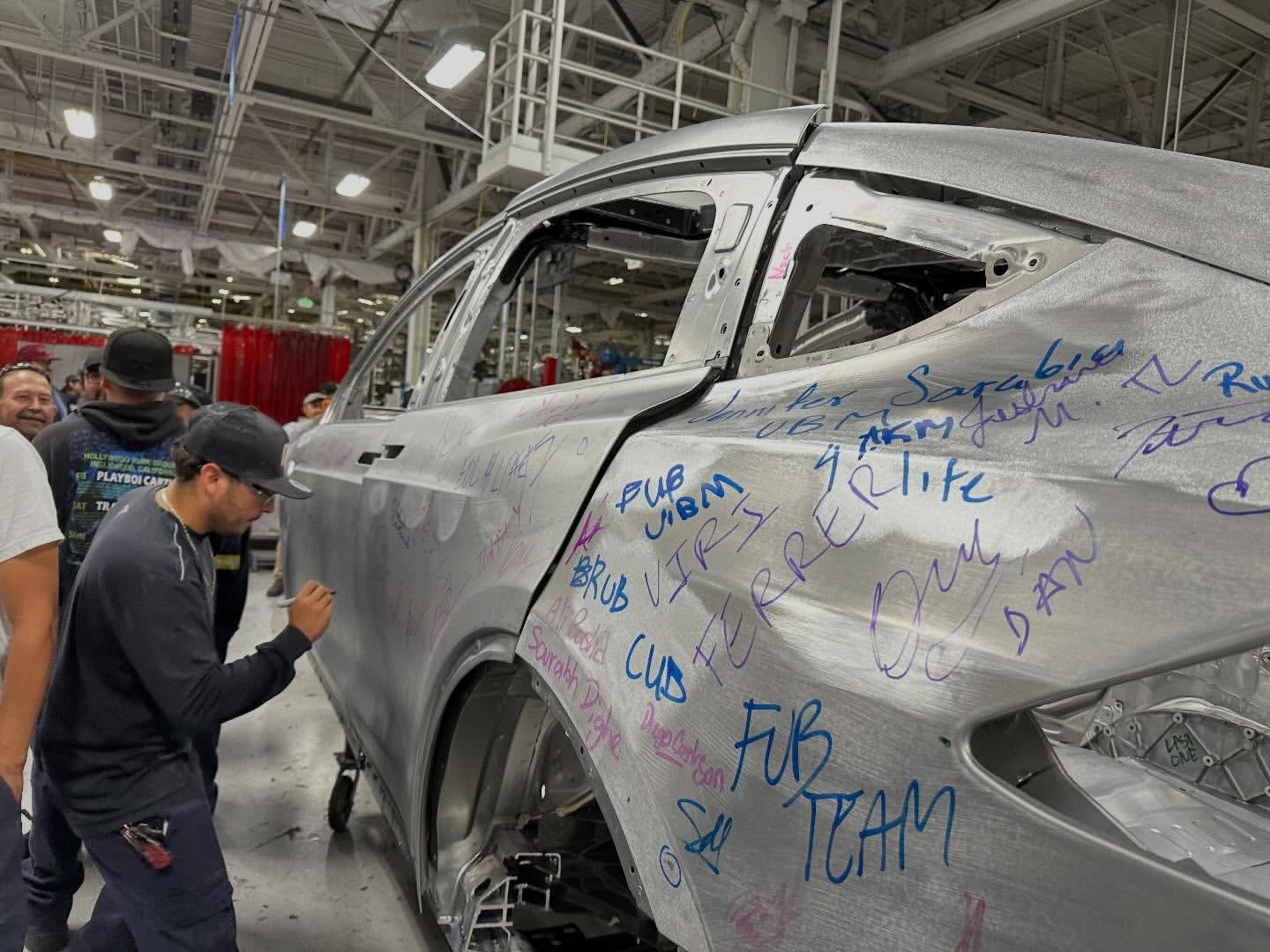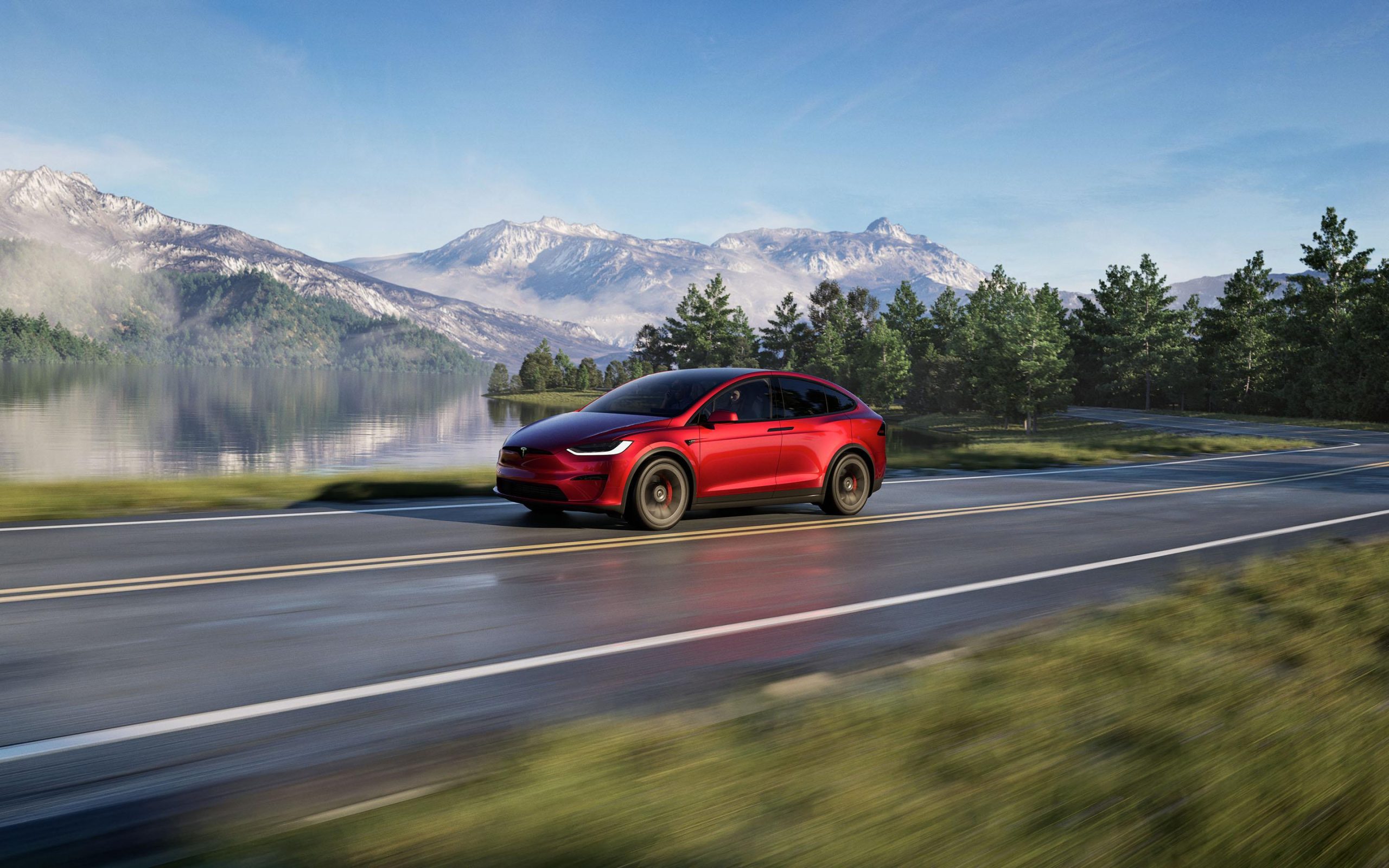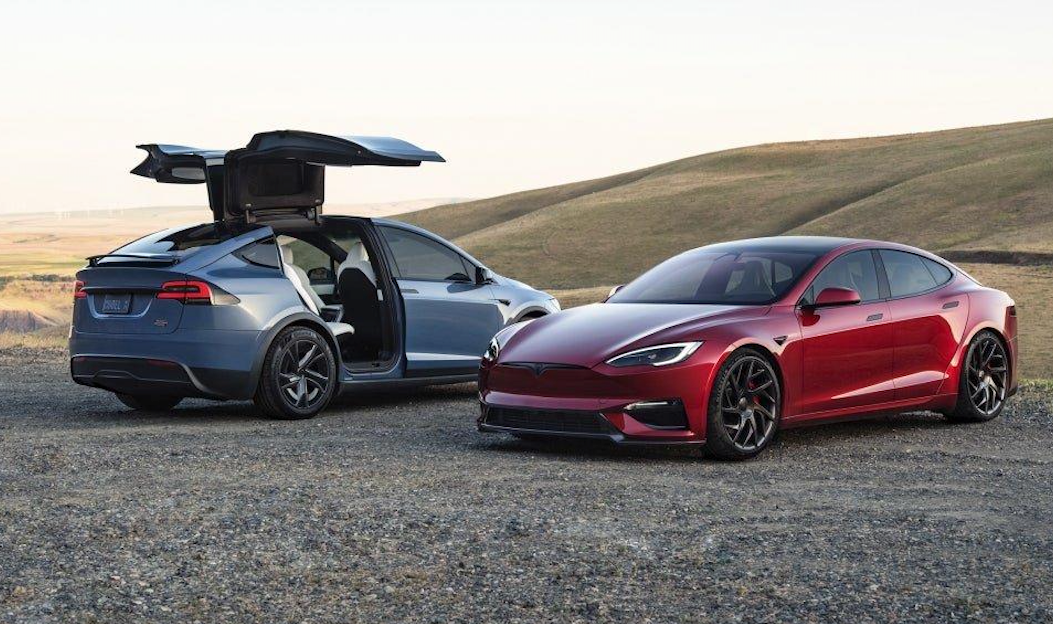
In a move signaling a significant strategic pivot, Tesla has quietly initiated the phased discontinuation of its flagship Model S and Model X vehicles, beginning with a firm order deadline in the critical South Korean market. This marks the first time the company has officially set a cutoff for new orders of its premium sedan and SUV in any region worldwide, providing the clearest signal yet that the era of Tesla's original halo cars is drawing to a close in their current form. The decision underscores a dramatic shift in focus toward high-volume production of the Model 3 and Model Y, while raising urgent questions about the future of the high-end EV segment within Tesla's portfolio.
A Strategic Retreat from a Niche Market
Tesla's announcement to South Korean customers sets a definitive final order deadline, after which configurator options for the Model S and Model X will be removed. This market-specific approach allows Tesla to methodically wind down production of these lower-volume models without a disruptive global announcement. The South Korean market, while important, represents a strategic test case where the company can manage logistics and communicate directly with a concentrated customer base. The move is a stark admission that despite their technological prowess and brand-enhancing status, the Model S and Model X no longer align with Tesla's core mission of accelerating the world's transition to sustainable energy through mass-market adoption. Their complex manufacturing processes and lower sales volumes stand in direct contrast to the streamlined, gigacast-heavy production of their newer siblings.
Context: The Inevitable Shift to Volume
This phasedown has been foreshadowed by Tesla's own financial and operational priorities. For multiple quarters, the combined delivery numbers for the S and X have been relegated to a single line item labeled "Other Models," consistently dwarfed by the hundreds of thousands of Model 3 and Model Y units shipped. The resources required to produce the flagship models—including their more intricate interior options, specialized powertrains, and signature but complex features like falcon-wing doors—are increasingly seen as better allocated to the growth of the Cybertruck, the upcoming "Redwood" compact EV, and the refinement of the volume leaders. Furthermore, with competitors now fielding compelling luxury EVs, the unique market position the S and X once enjoyed has eroded, making their continued production at current scale difficult to justify.
The implications of this strategic withdrawal are multifaceted. For the luxury EV segment, it creates a temporary vacuum that competitors like Lucid, Mercedes-Benz, and BMW may seek to fill. More importantly, it begs the question of what, if anything, will replace these vehicles as Tesla's technological flagships. All attention now turns to the promised "next-generation" vehicle platform and the anticipated Roadster, which has been perpetually on the horizon. The phase-out suggests Tesla is clearing the deck to introduce a new form of high-margin, low-volume aspirational product, one that likely leverages the radical manufacturing and battery lessons learned since the S and X first debuted over a decade ago.
What This Means for Tesla Owners and Investors
For current and prospective Tesla owners, this announcement carries immediate and long-term consequences. South Korean buyers now face a literal deadline to purchase a new S or X, which may impact local inventory and resale values. Globally, existing owners may see the residual values of their vehicles become more volatile as the models transition into a purely legacy status, though rarity could eventually bolster collector appeal. From a service and support perspective, Tesla has a strong track record with its older vehicles, but investors will watch closely for any associated one-time costs related to the production wind-down.
For investors, this is a definitive step toward simplifying Tesla's manufacturing complexity and boosting overall margins. It reaffirms management's disciplined focus on capital allocation toward projects with the highest growth and scalability potential. The market will now keenly await details on how Tesla plans to redeploy the Fremont production space and engineering talent currently dedicated to the S and X. This move, while the end of an era, is fundamentally a bullish signal of operational maturity and a relentless focus on the future, even when it means retiring the iconic vehicles that built the modern Tesla brand.