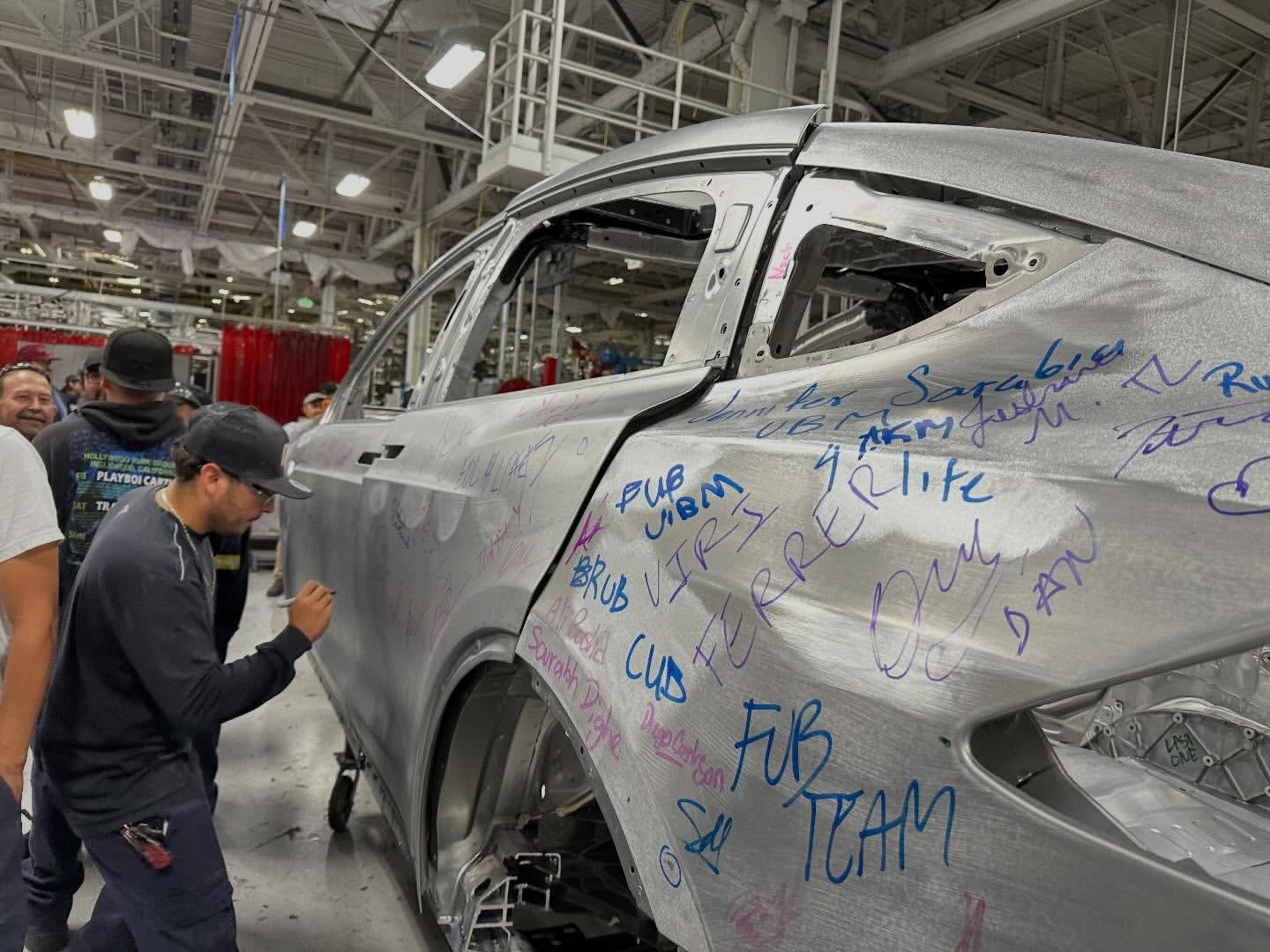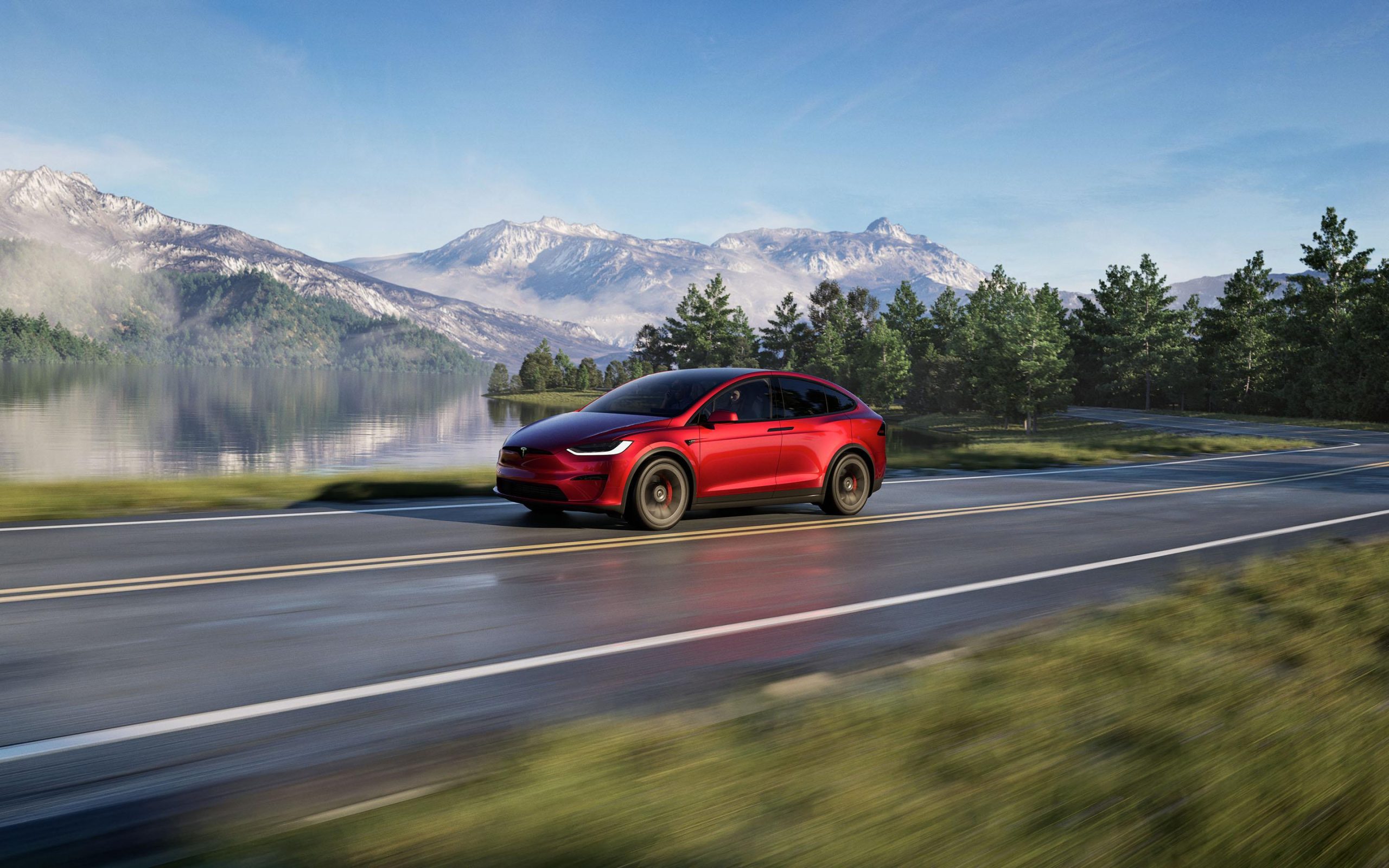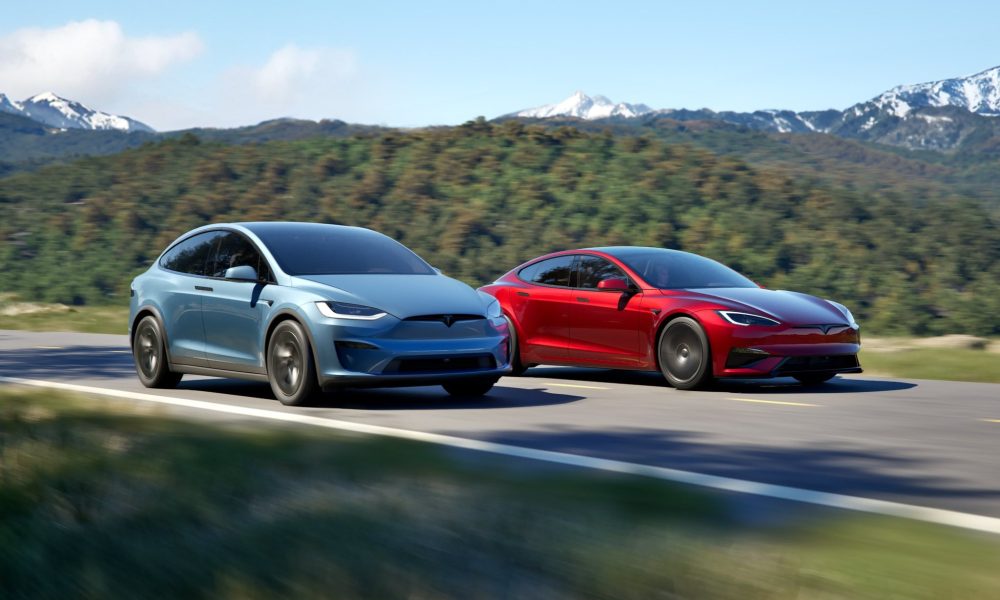
In a move that signals a profound shift in its product strategy, Tesla has effectively begun the phased retirement of its flagship models. The company has removed the custom order configurators for the Model S sedan and Model X SUV from its primary website, pushing buyers toward existing inventory. This strategic pivot, interpreted by industry observers as an "honorable discharge" for the vehicles that defined Tesla's luxury ambitions, underscores the company's relentless focus on volume production and next-generation platforms.
The End of an Era for Tesla's Flagship EVs
For over a decade, the Model S and Model X served as the technological and aspirational pillars of the Tesla brand. The Model S, launched in 2012, shattered preconceptions of what an electric vehicle could be, combining blistering performance with practical range. The falcon-winged Model X followed, cementing Tesla's reputation for audacious innovation. Their removal from the configurator—a tool synonymous with Tesla's direct-sales model—is a symbolic sunset for these iconic vehicles. While not officially discontinued, the shift to inventory-only sales strongly suggests Tesla is clearing production capacity and streamlining its manufacturing focus toward the high-volume Model 3, Model Y, and the upcoming "Next-Gen" platform vehicles.
Strategic Realignment Toward Mass Market Dominance
This decision is a clear reflection of Tesla's evolved priorities. The combined sales of the Model S and Model X now represent a single-digit percentage of Tesla's global quarterly deliveries, dwarfed by the millions of Model 3 and Y units on the road. Maintaining complex, low-volume production lines for these vehicles conflicts with CEO Elon Musk's overarching vision of accelerating the world's transition to sustainable energy through scale. The resources dedicated to the S and X—from engineering to factory space—are likely being reallocated to more critical projects, including the Cybertruck, the Semi, and the anticipated affordable EV often referred to as the "$25,000 model."
Analysts note that this "inventory-only" phase allows Tesla to manage the transition smoothly. It fulfills existing demand without committing to future production cycles, all while avoiding the public relations sting of an outright cancellation. The company can now leverage its manufacturing agility to produce these models in limited batches based on remaining part inventories and specific market demand, a far more efficient model for niche products.
Implications for Owners and the Tesla Ecosystem
For current Tesla owners and investors, this move carries significant implications. Model S and X owners may see the values of their vehicles become more volatile, with potential for increased depreciation as the models are perceived as legacy products, or conversely, for certain pristine examples to become collectibles. The long-term support and parts availability will be a key concern, though Tesla's growing fleet size likely ensures service continuity for years to come. For investors, the action reinforces confidence in management's disciplined capital allocation, pivoting firmly away from low-margin niches to dominate the heart of the EV market. It also heightens anticipation for the company's next act, where innovation and scale must converge to deliver the promised next-generation affordable vehicle.