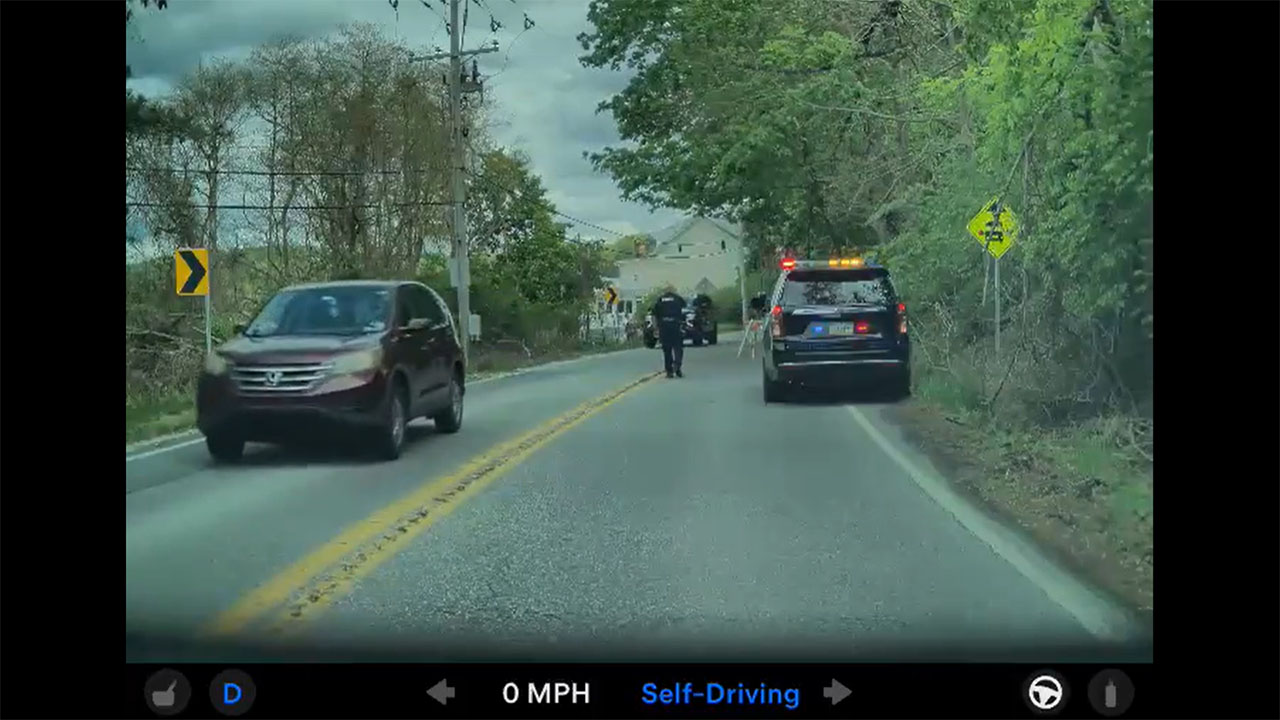
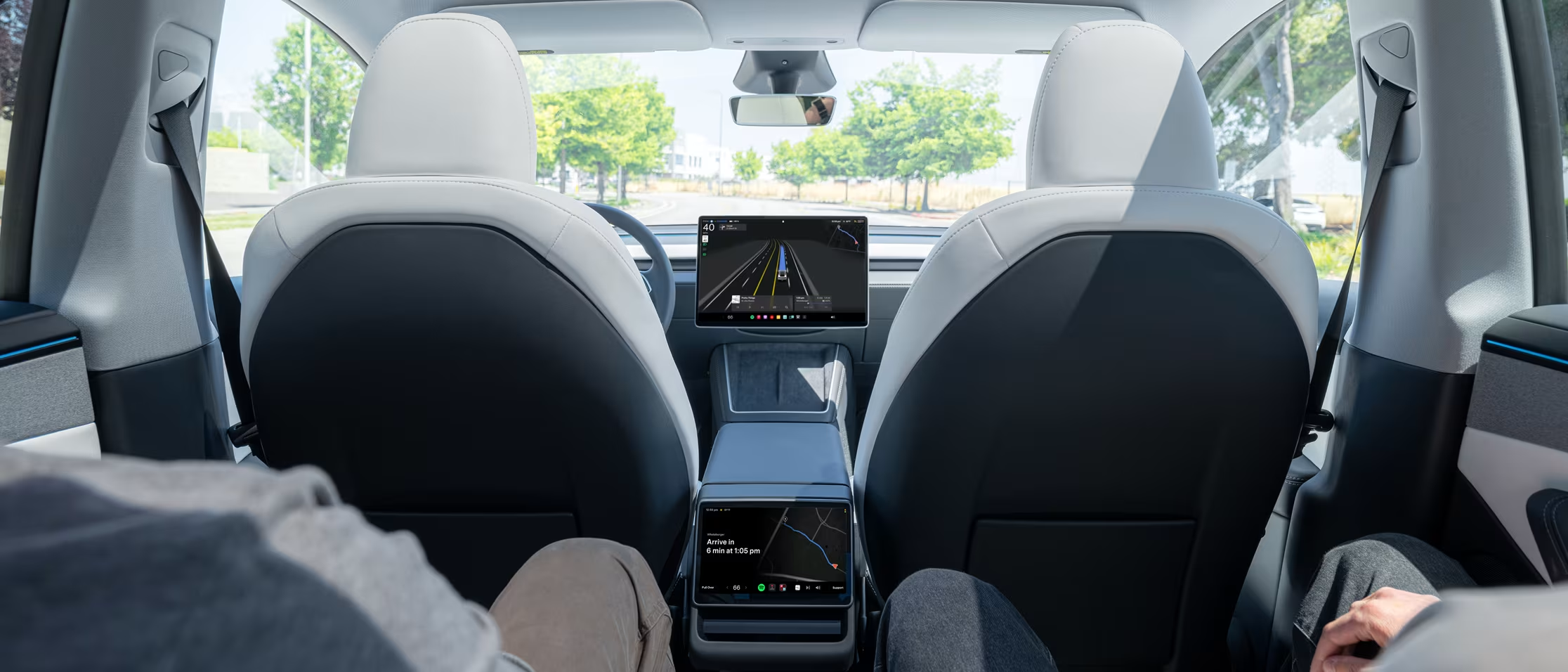
In a high-stakes regulatory showdown, Tesla has narrowly averted a potentially crippling sales halt in its second-largest global market. The California Department of Motor Vehicles (DMV) has closed its investigation into the company's marketing practices, confirming that Tesla's recent changes to its driver-assistance system descriptions have satisfied state concerns. This resolution follows a formal accusation last summer that Tesla had misled consumers with advertising that overstated the capabilities of its Autopilot and Full Self-Driving (FSD) systems. The outcome spares Tesla from a 30-day suspension of its dealer license in California, a move that would have significantly disrupted deliveries and revenue in a critical electric vehicle battleground.
The Core of the Controversy: Marketing vs. Reality
The California DMV's initial legal filing in July 2023 alleged that Tesla's advertising language created a false impression that its vehicles were capable of fully autonomous operation. Regulators took specific issue with claims on Tesla's website, which they argued suggested the company's technology was more advanced than it truly is. At the heart of the dispute was the fundamental difference between a Level 2 driver-assistance system, which requires constant human supervision, and a Level 4 or 5 autonomous vehicle, which does not. The DMV contended that Tesla's messaging blurred this crucial line, potentially endangering customers by fostering over-reliance on systems that cannot drive the car independently.
Tesla's Strategic Pivot in Terminology
To resolve the dispute, Tesla made significant revisions to its customer-facing language, a move that proved decisive. The company has notably shifted from promoting "Full Self-Driving Capability" as a product to describing it as an "upcoming capability" that customers can purchase access to in the future. Furthermore, Tesla now explicitly emphasizes the driver's responsibility, with updated warnings stating that the features "require active driver supervision" and do not make the vehicle autonomous. This linguistic pivot, while subtle, represents a critical legal and strategic concession, aligning Tesla's marketing more closely with the current regulatory and technological reality of its EV software suite.
The closure of this case does not exist in a vacuum; it arrives amidst intensifying global scrutiny of Tesla's Autopilot and FSD systems. The National Highway Traffic Safety Administration (NHTSA) has multiple ongoing defect investigations, and German courts have also ruled against certain Tesla advertising terms. By settling in California—a regulatory bellwether—Tesla likely aims to establish a precedent and mitigate similar actions elsewhere. However, the underlying technical debate about system safety and naming conventions remains far from settled, with competitors largely opting for more conservative names like "Super Cruise" or "BlueCruise" to manage public expectations.
For Tesla owners and investors, this resolution is a clear net positive, removing an immediate threat to sales velocity. It provides regulatory certainty in a key market and allows the company to continue deploying and refining its advanced driver-assistance systems without a major licensing interruption. However, the episode underscores a persistent and growing risk: the regulatory landscape for automated driving is evolving rapidly and unevenly. Tesla's ability to navigate this complex environment—balancing ambitious technological development with compliant marketing—will be as crucial to its future as the performance of its software code. The company's success now hinges not just on engineering breakthroughs, but on its deftness in a new era of automotive governance.