In a significant legal maneuver, Tesla has filed a motion to dismiss a proposed class action lawsuit alleging systemic odometer inaccuracy in its vehicles, arguing the plaintiffs' claims are fundamentally flawed. The motion, filed in a U.S. federal court, requests the case be thrown out with prejudice, a legal term that would prevent the plaintiffs from refiling the same claims. This aggressive defense underscores Tesla's stance that the allegations are without merit, setting the stage for a pivotal battle over vehicle data integrity and consumer trust.
The Core of the Allegations and Tesla's Counterargument
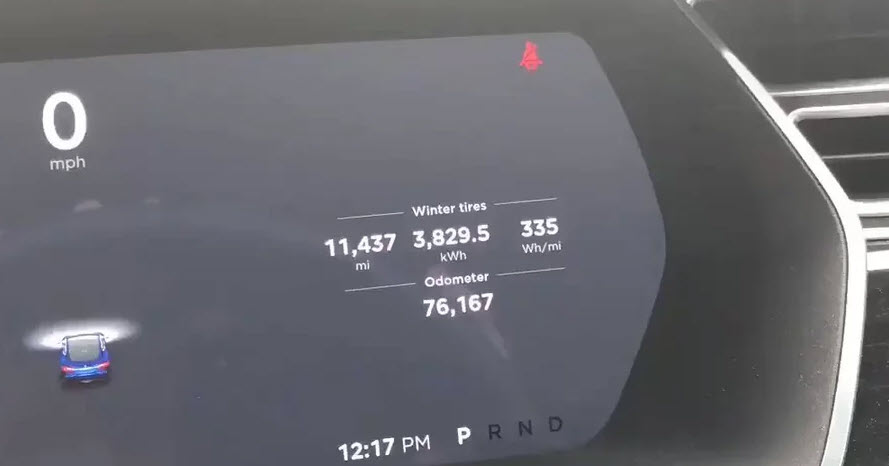
The lawsuit centers on claims that Tesla vehicles display inflated mileage on their digital odometers compared to the actual physical distance traveled, potentially impacting vehicle value, warranty coverage, and service schedules. Plaintiffs argue this constitutes fraud and breaches warranty agreements. In its motion to dismiss, Tesla contends the plaintiffs have failed to state a valid legal claim, asserting that the methodology for measuring distance in a vehicle is not subject to the simplistic comparison the lawsuit suggests. The company is likely to argue its odometer calculations are a complex function of software and hardware designed for accuracy under a wide array of conditions, not a simple mechanical tally.
Technical Nuances and Legal Precedent
This case delves into the intricate intersection of software-defined vehicles and traditional automotive regulations. Unlike mechanical odometers, a Tesla's mileage reading is derived from a network of sensors and software algorithms. Tesla's defense may hinge on demonstrating compliance with federal odometer standards, which allow for a margin of error, and arguing that any perceived discrepancy falls within acceptable, legally defined limits. The request for dismissal with prejudice is a bold signal of confidence, suggesting Tesla's legal team believes the complaint cannot be salvaged even with amended filings.
For Tesla owners, the immediate implications are minimal on a day-to-day basis, but the lawsuit's outcome carries longer-term weight. A victory for Tesla would reinforce the integrity of its vehicle data systems and likely quell similar legal challenges. However, if the case proceeds or the plaintiffs prevail, it could lead to widespread scrutiny of telematics data, potential recalls for software adjustments, and a complex process for owners to seek compensation for alleged overstatement of mileage. The core concern for owners is the principle of transparency regarding a critical metric that affects resale value.
For investors, this legal skirmish represents another potential distraction and financial liability, albeit one the company is moving decisively to neutralize. A swift dismissal would be a positive resolution, removing a cloud of uncertainty. A prolonged battle, however, could fuel negative sentiment and raise questions about potential financial settlements or regulatory repercussions. In the broader context of the EV market, the case highlights the growing pains of software-centric automobiles, where traditional consumer protection laws are tested by new technological paradigms.