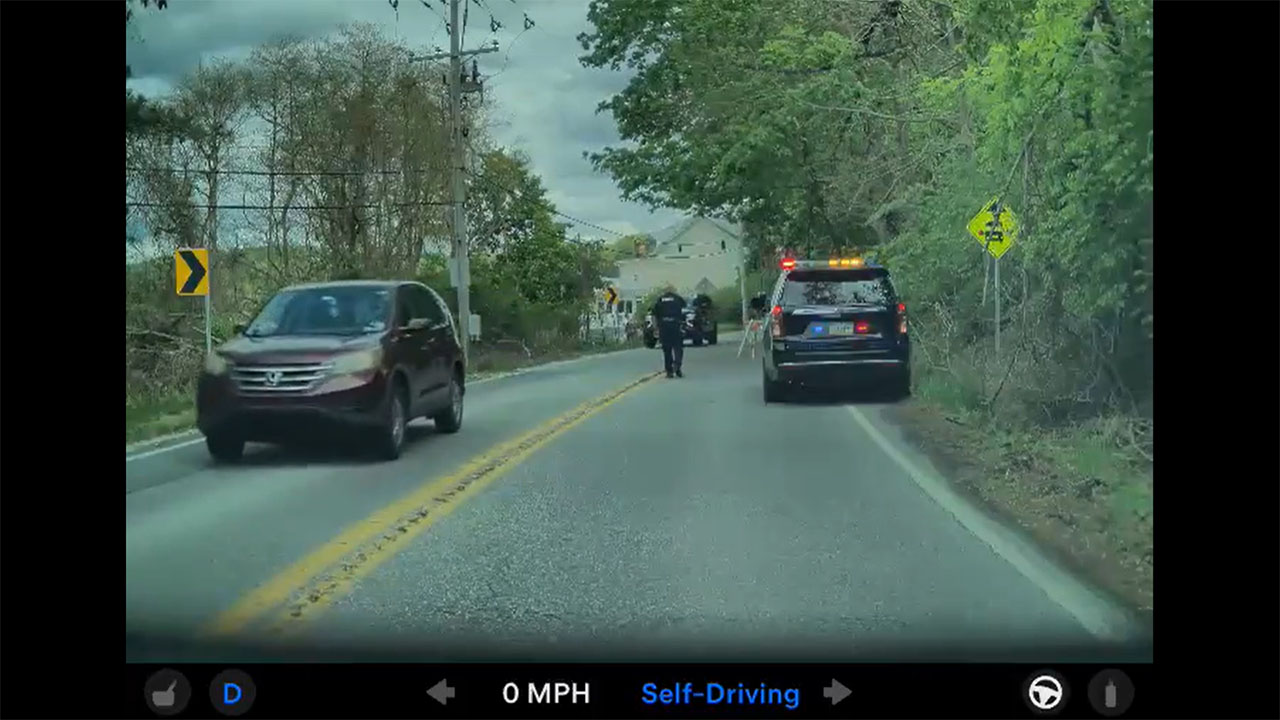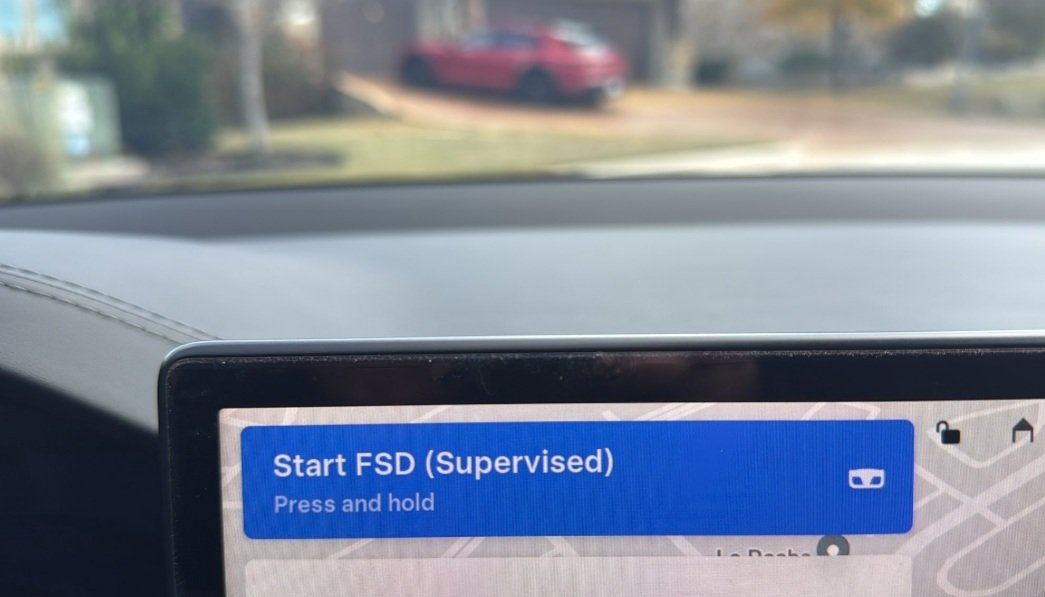
In a significant move for its European ambitions, Tesla has cleared a critical regulatory hurdle, securing approval to begin real-world testing of its Full Self-Driving (Supervised) technology on public roads in Sweden. This green light from the Swedish Transport Administration marks the first sanctioned urban testing of the advanced driver-assistance system in Europe, moving the company's vision of autonomous driving from simulation to Scandinavian streets.
A Strategic Foothold in the European Market
The approval grants Tesla the ability to test FSD (Supervised) v14 in the municipality of Nacka, a suburb of Stockholm. This is not a public rollout but a controlled data-gathering phase, crucial for adapting the EV giant's North American-developed system to Europe's unique driving environments. The region presents a complex proving ground with distinct road signage, traffic patterns, and weather conditions. Successfully navigating these challenges in Sweden is widely seen as a prerequisite for any future broader European deployment, making Nacka a vital first testbed.
Navigating the Regulatory Landscape
This milestone underscores the intricate regulatory journey required for advanced automotive software in Europe. Unlike the more unified federal approach in the U.S., the European Union and its member states maintain stringent and varied safety standards. Tesla's strategy involves working with individual national authorities to demonstrate capability and safety. Securing this permit from the Swedish Transport Administration suggests a collaborative review of Tesla's safety case and testing protocols, potentially setting a template for engagements with other European regulators.
The testing phase will be closely monitored, with data on the system's performance in handling roundabouts, narrow urban lanes, and specific right-of-way scenarios being paramount. This real-world feedback loop is essential for the iterative development that defines Tesla's approach to Full Self-Driving. The company must prove not only technical competence but also a robust operational safety framework to satisfy European authorities.
Implications for Tesla's European Trajectory
For Tesla owners and investors, this development is a tangible signal of progress on a long-awaited capability. European Tesla drivers have watched as FSD has evolved overseas, and this testing is the first concrete step toward potentially unlocking a major, value-added feature for vehicles already on the road. It represents a future revenue stream and a key competitive differentiator in the crowded European electric vehicle market.
However, patience remains essential. Regulatory testing is a deliberate process, and a full public release in Sweden—let alone Europe—is likely still months, if not years, away. The immediate implication is increased validation of Tesla's technical roadmap and a stronger negotiating position with other EU nations. For investors, it mitigates the risk of European regulatory stagnation, while for owners, it fuels the anticipation that their vehicles' latent autonomous potential may one day be activated on home roads.