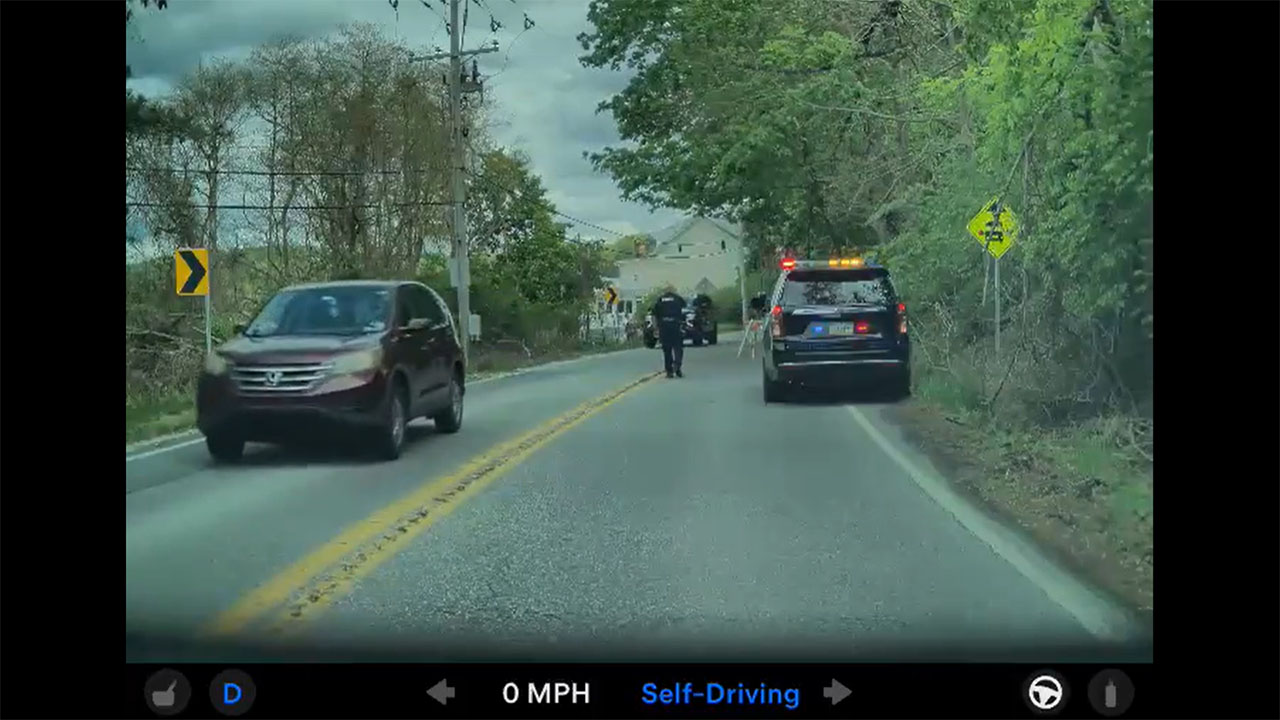
Tesla CEO Elon Musk dropped a bombshell during the company’s Q1 2026 earnings call, revealing plans for an AI4.1 or AI4 Plus upgrade to its self-driving computer. This new hardware iteration will double the RAM from 16 gigabytes to 32 gigabytes per chip, bringing the total system memory to a massive 64 gigabytes. The announcement came on the same call where Musk confirmed—after previously hedging—that the legacy HW3 system “simply does not have the capability” for unsupervised Full Self-Driving. For the millions of Tesla owners currently driving HW4 cars, this raises an uncomfortable question: is history about to repeat itself?
The HW3 Graveyard: A Cautionary Tale
Musk’s admission regarding HW3’s limitations is a stark reversal from earlier assurances. For years, Tesla promised that HW3—first deployed in 2019—would be capable of achieving full autonomy. Now, the company is effectively telling owners of over 1.5 million vehicles that their hardware is obsolete for unsupervised FSD. This has already triggered a wave of frustration among early adopters who paid thousands for the FSD package. The HW3 dead end is a costly lesson in the rapid pace of AI compute demands, where memory bandwidth and capacity are now the primary bottlenecks for real-world autonomous driving.
What HW4 Plus Means for Current Owners
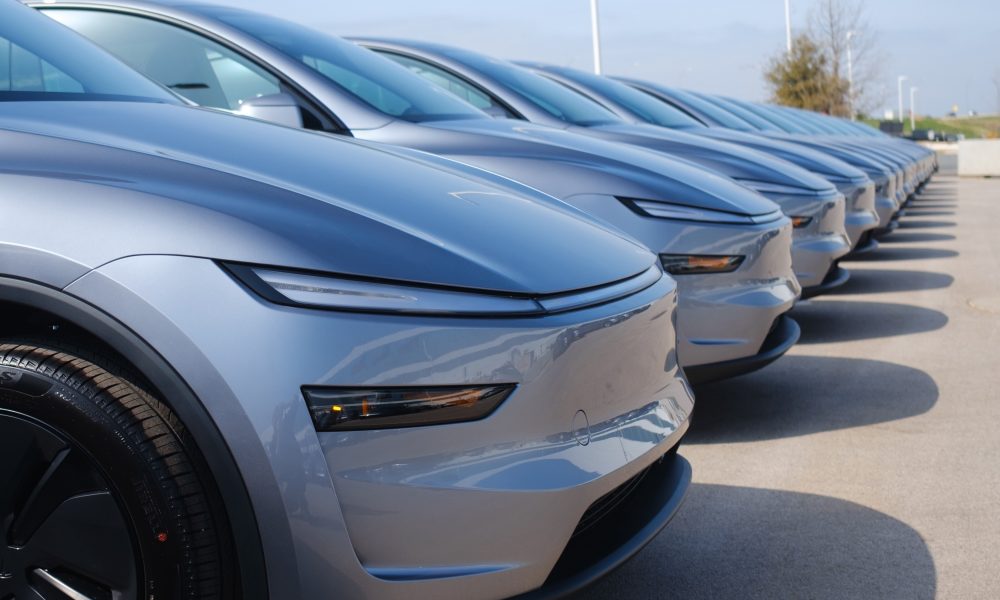
The HW4 Plus upgrade, with its 64 GB total memory, is designed to handle the next generation of Tesla’s neural networks. These networks require significantly more on-chip memory to process high-resolution camera feeds and complex environmental models in real-time. The timing is critical: Tesla is currently deploying HW4 in all new Model 3, Model Y, Cybertruck, and upcoming Roadster units. Owners who just took delivery of a 2025 or 2026 model now face the prospect that their HW4 computer may be superseded before it even reaches its second birthday. The gap between HW4 and HW4 Plus is not incremental—it is a 100% increase in memory, suggesting a fundamental architectural leap.
Implications for Tesla Owners and Investors
For current Tesla owners, the key takeaway is caution. If you are considering purchasing a new Tesla today, the HW4 Plus hardware is not yet in production, and no retrofit path has been announced. This creates a wait-and-see dynamic that could depress near-term sales as buyers postpone purchases. For investors, the rapid hardware cadence signals both opportunity and risk. Tesla’s ability to iterate on its AI compute platform is a competitive advantage, but the planned obsolescence of HW3—and potentially HW4—undermines trust in the company’s long-term value proposition. The bottom line is clear: anyone buying a Tesla today should assume their vehicle’s self-driving computer will be outdated within 12 to 24 months, and plan their FSD purchase accordingly.