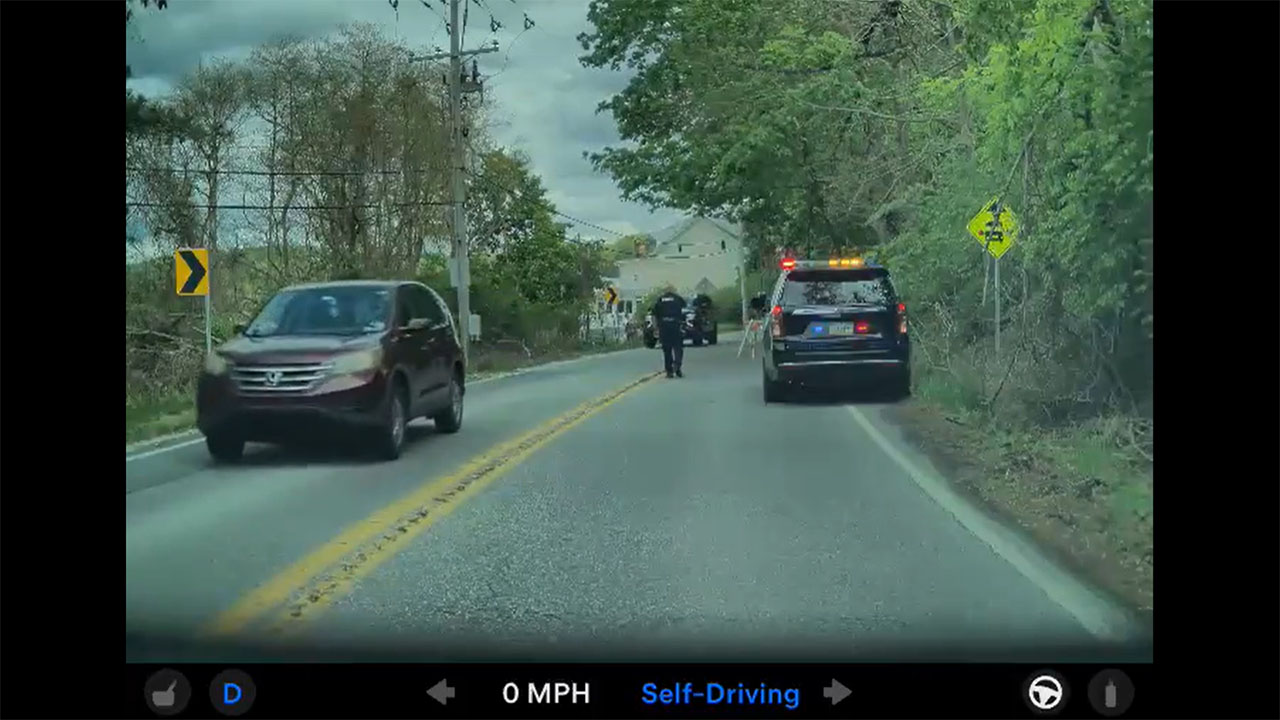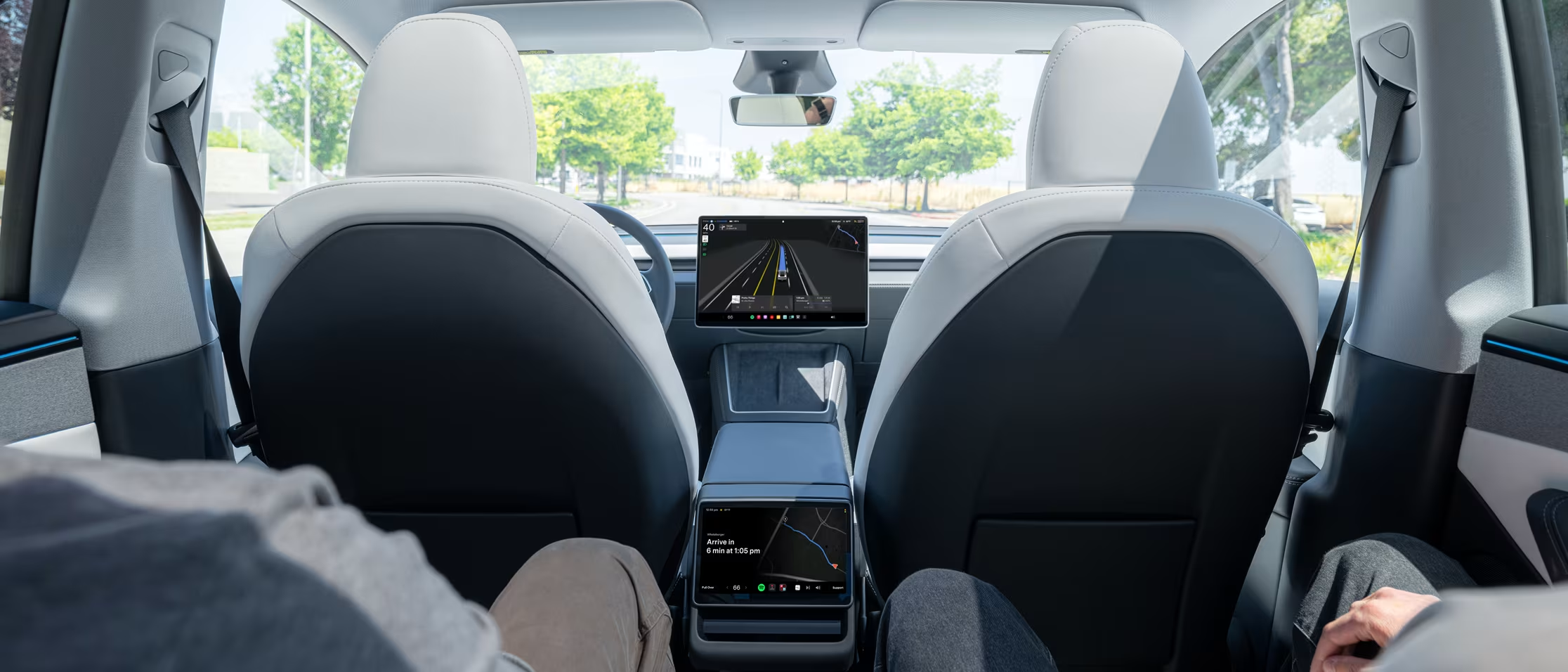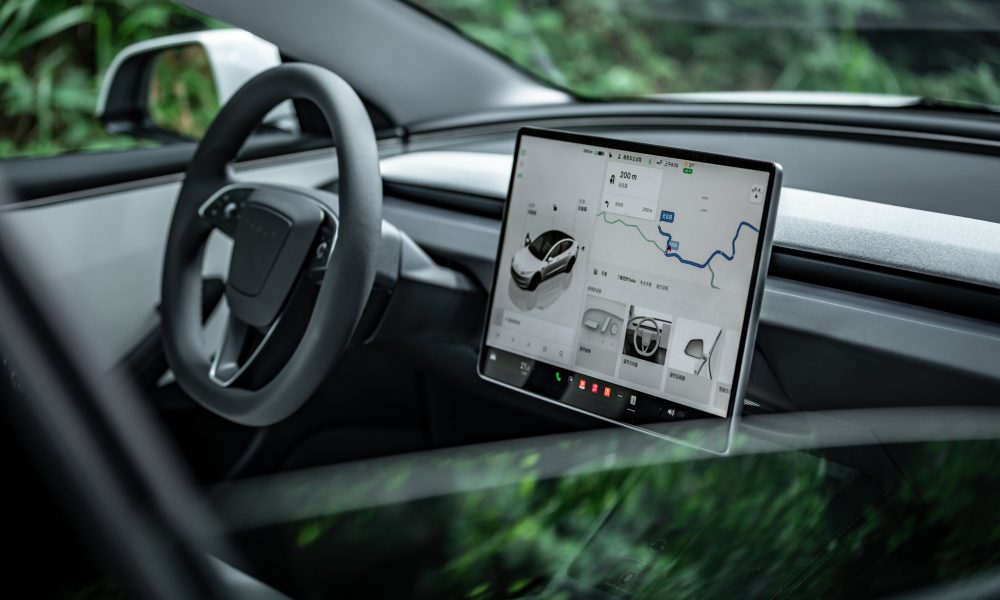
Tesla's quest for a truly autonomous future has hit a staggering new benchmark, one that underscores both the immense scale of its real-world testing and the critical path to its ultimate goal. The company has announced its fleet of customer-owned vehicles utilizing its Full Self-Driving (FSD) software has collectively traveled over 1 billion miles in autonomous mode. This isn't just a vanity metric; it represents a tidal wave of real-world data that is fundamentally training the system, accelerating Tesla's progress toward what Elon Musk has long championed as the key to unlocking unsupervised autonomy.
The Dual Significance of a Billion Miles
This milestone carries profound weight for two interconnected reasons. First, it demonstrates an unprecedented level of active deployment and user engagement with a Level 2+ driver-assistance system. No other automaker has a comparable fleet gathering such volume of complex, edge-case driving data from city streets and highways worldwide. Second, and more critically, this billion is a major waypoint on the journey to 10 billion miles of training data. Musk has repeatedly stated this is the threshold he believes necessary for the neural networks to achieve a reliability level high enough for unsupervised, or true Level 5, self-driving. Each mile feeds the AI, teaching it to handle increasingly rare and challenging scenarios a simulated environment could never fully replicate.
Data as the Ultimate Moats
In the race for autonomy, data is the new oil, and Tesla's refinery is now operating at a scale competitors cannot easily match. Every intervention, every disengagement, and every successfully navigated complex intersection across those billion miles is processed by Tesla's Dojo supercomputer or its GPU clusters. This continuous loop of data collection, training, and over-the-air software updates creates a formidable feedback cycle. While other companies rely on smaller fleets of professionally driven test vehicles or simulation, Tesla leverages its global customer base to create what it views as an insurmountable data moat. The pace of improvement is directly tied to this mileage accumulation, making each new hundred-million-mile milestone a step closer to a fundamental re-architecture of the vehicle's driving intelligence.
Implications for the Tesla Ecosystem
For Tesla owners and investors, this announcement is a tangible signal of progress in the company's most ambitious and valuable software venture. The accelerating mileage count suggests growing adoption of the FSD suite, whether by subscription or purchase, which translates directly to high-margin recurring revenue. More importantly, it validates the core technological strategy. Investors can view this as de-risking the long-term bet on autonomy. For owners, especially those with FSD capability, each update should become incrementally more capable and smooth as it's trained on this ever-expanding dataset. The billion-mile mark reinforces that their vehicles are part of a collective learning network, with the value of the car's software poised to increase significantly as the system matures toward that elusive 10-billion-mile target.