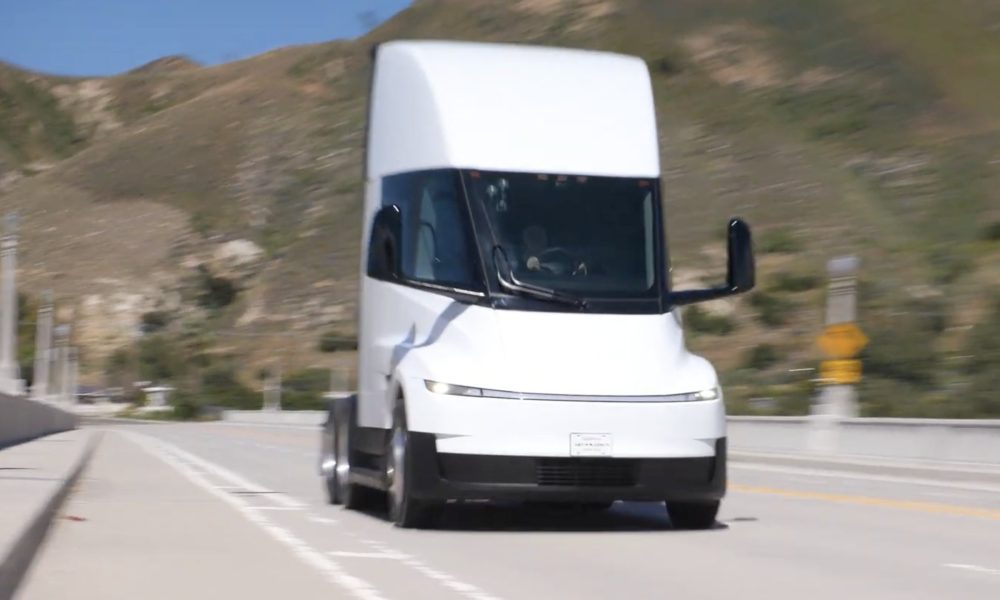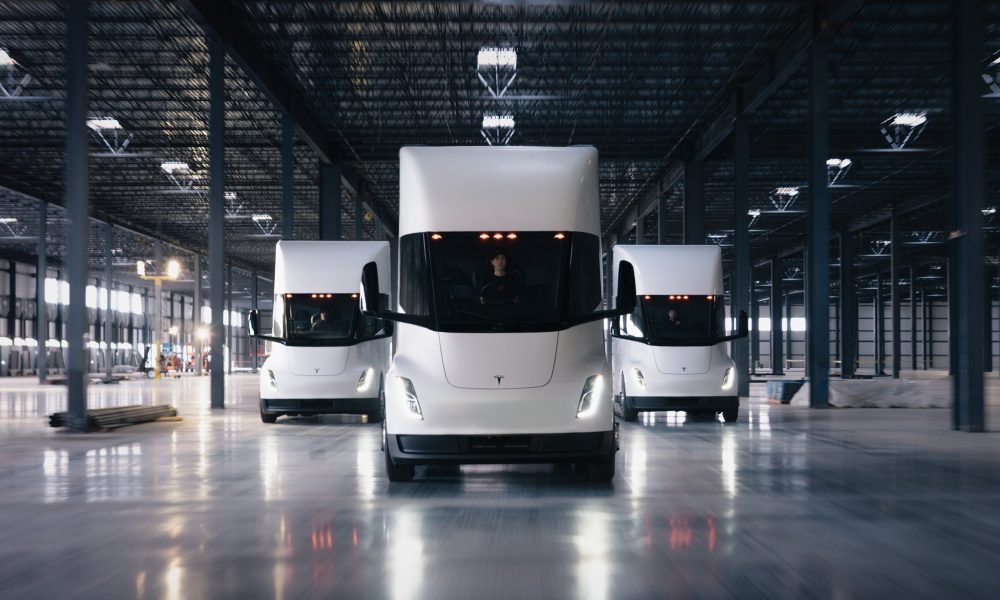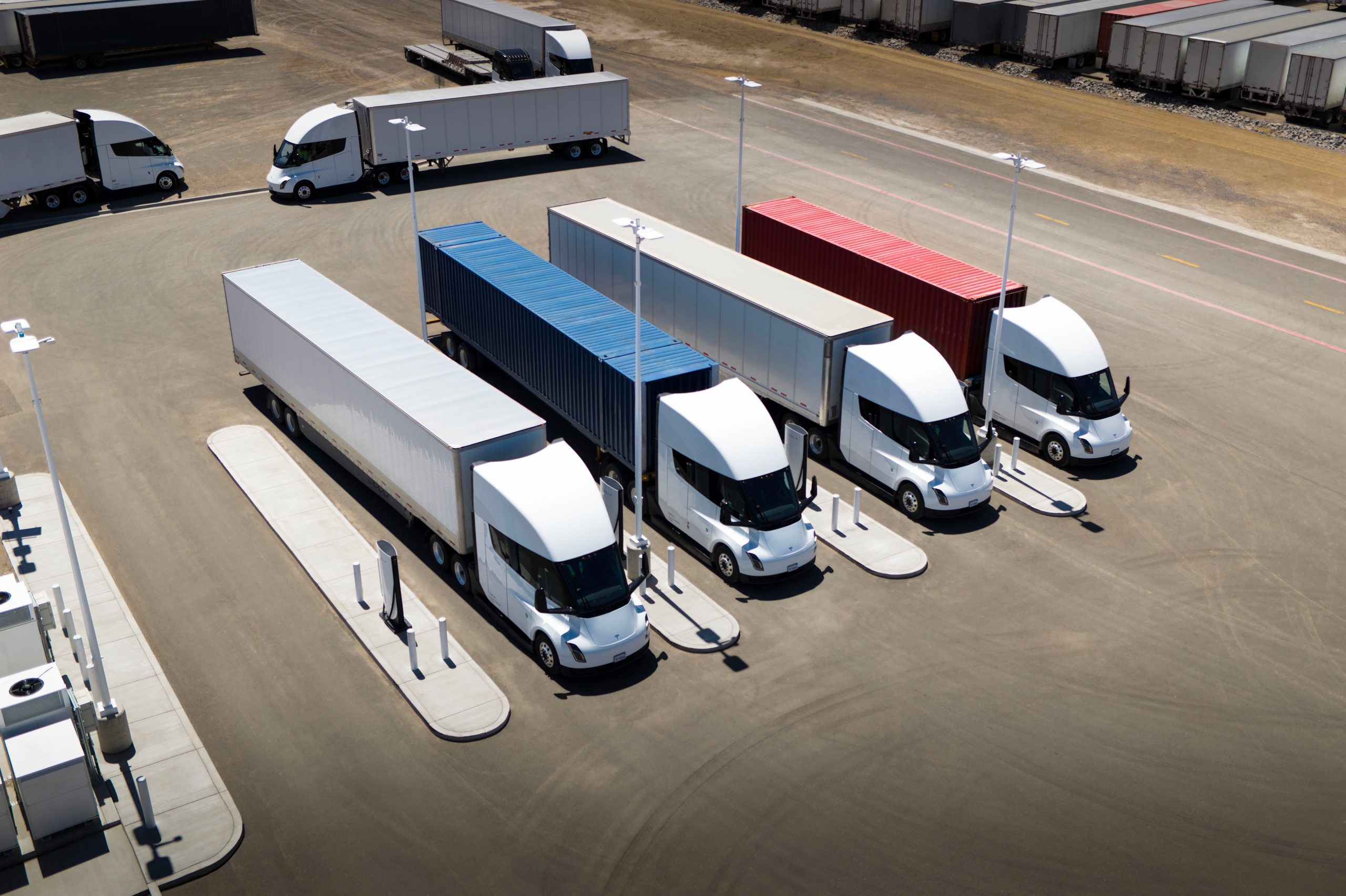
In a move that could fundamentally reshape the economics of long-haul freight, Tesla has secured a landmark partnership with the nation's largest network of truck stops. Announced Tuesday, the collaboration with Pilot Travel Centers will deploy Tesla's Megawatt Charging System (MCS) at strategic locations, creating the first truly coast-to-coast charging infrastructure built specifically for electric Class 8 trucks. This isn't just an installation of a few chargers; it's a deliberate play to dominate the future of commercial transport by placing Tesla's technology at the heart of the trucking industry's existing ecosystem.
From Prototype to Reality: The Semi's Infrastructure Hurdle Cleared
Since its unveiling in 2017, the Tesla Semi has presented a compelling vision of zero-emission freight, with promises of lower operating costs and impressive performance. However, its widespread adoption has been intrinsically linked to a single, massive question: where will it charge? The Megawatt Charging System, capable of delivering over 1 MW of power to add hundreds of miles of range in under 30 minutes, is the technical answer. Pilot Company, with its over 800 locations along critical freight corridors, provides the real estate and operational scale. This partnership directly addresses the "chicken-and-egg" dilemma that has stalled many heavy-duty EV projects, giving fleet operators the confidence that infrastructure will be in place before they commit to large-scale Semi orders.
A Strategic Masterstroke for Tesla Energy
While the headlines focus on the Semi, the partnership is a profound victory for Tesla Energy. Each charging site will likely integrate Tesla's Megapack battery storage systems and solar canopies. This setup mitigates the immense grid demand of simultaneous megawatt charging, reduces peak electricity costs, and ensures reliability—a non-negotiable for commercial operators. It transforms each Pilot location into a showcase for Tesla's integrated energy solution, proving its capability to manage the most demanding electric vehicle applications. The deal effectively makes Pilot a nationwide flagship client, opening a lucrative new revenue stream beyond selling trucks.
The implications for the competitive landscape are immediate and severe. While other coalitions and manufacturers have announced plans for heavy-duty charging, none have the combined power of Tesla's vertically integrated hardware and Pilot's ubiquitous footprint. This partnership sets a new de facto standard, with MCS gaining a decisive early lead in the format war for heavy truck charging. For fleets evaluating electric options, the existence of a reliable, branded network significantly de-risks choosing the Tesla Semi over competitors who cannot yet promise equivalent infrastructure support.
For Tesla investors, this announcement validates the long-term bet on the Semi and Energy divisions, moving them from speculative ventures to tangible, revenue-generating enterprises with a clear path to scale. For Tesla owners, the expansion of Megapack deployments helps accelerate the broader energy transition that benefits all EVs. Most critically, for fleet managers and trucking companies, the calculus for electrification just changed. The road to a zero-emission freight future now has a definitive, and familiar, address.