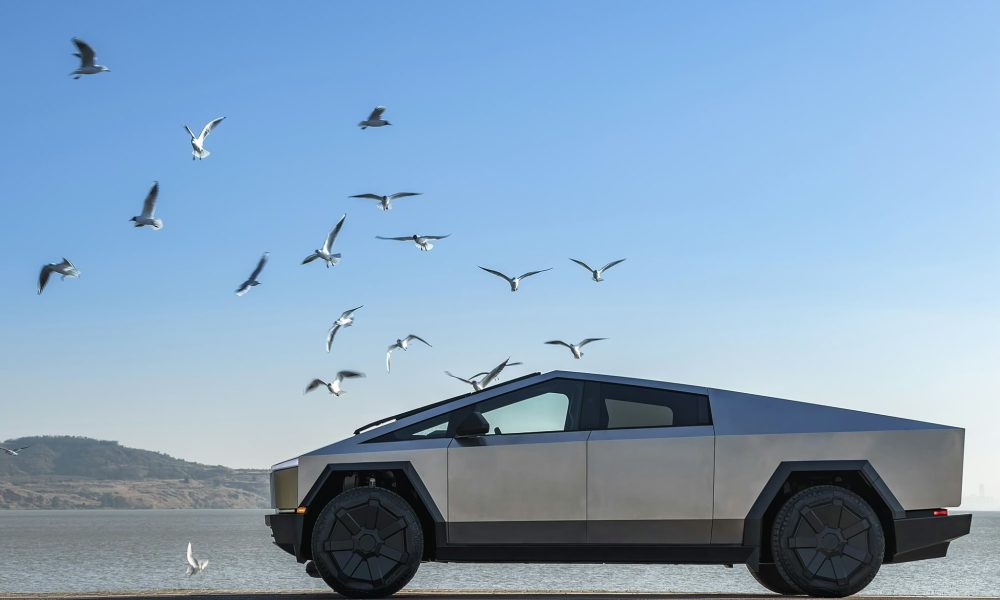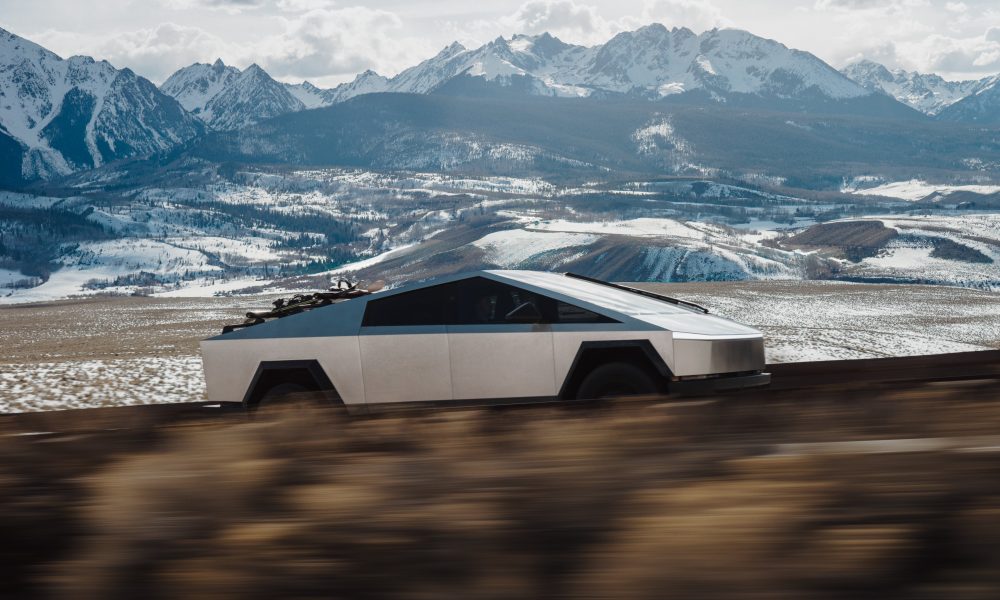
In a provocative critique of Tesla's product strategy, a prominent Wall Street voice has argued the company is targeting the wrong vehicles for discontinuation. While Tesla has significantly pared down production of its flagship Model S and Model X sedans, Future Fund managing partner Gary Black contends the real burden on the automaker's resources is elsewhere. His surprising candidate for the chopping block? The angular, stainless-steel Cybertruck.
The Analyst's Case Against Cybertruck
Gary Black, whose fund divested its Tesla holdings last year but remains a closely followed analyst on the stock, laid out a stark financial argument. He believes the Cybertruck's complex manufacturing process and niche market appeal make it a drag on Tesla's bottom line and operational focus. "The Cybertruck is a low-volume, high-cost vehicle that does nothing to advance Tesla's core mission of accelerating the world's transition to sustainable energy," Black was quoted as stating. His analysis suggests the immense engineering effort and production ramping challenges tied to the truck's exoskeleton design and 4680 battery cells are disproportionate to its potential sales volume, especially compared to the high-volume potential of the upcoming affordable "Model 2" platform.
Defending the Flagships' Role
Contrary to Tesla's own de-emphasis of the S and X, Black sees enduring value in these premium models. He argues they serve as crucial halo products that burnish the brand's image for innovation and luxury, pulling aspirational buyers into the ecosystem even if they ultimately purchase a Model 3 or Model Y. "The Model S and X are profit-rich vehicles that solidify Tesla's technology leadership," Black noted, pointing to their role as testbeds for advanced features like tri-motor Plaid powertrains and autonomous driving hardware. In his view, discontinuing them entirely would cede the high-margin luxury EV segment to competitors like Lucid and Mercedes-Benz, while the Cybertruck fights for a segment with established, high-volume players like Ford.
The debate strikes at the heart of Tesla's strategic crossroads: should it prioritize brand prestige and technological showcases, or ruthlessly optimize for mass-market scale? Tesla's actions—streamlining S and X options and production—clearly lean toward the latter. However, Black's critique implies the Cybertruck is an exception to this rule, a passion project that consumes resources better spent on accelerating the $25,000 compact vehicle. The truck's undeniable cultural impact and dedicated reservation holder base complicate any simple cost-benefit analysis, representing a significant bet on creating an entirely new vehicle category.
Implications for Tesla's Trajectory
For Tesla owners and investors, this analyst controversy highlights a critical period of portfolio evaluation. The company's growth story is increasingly tied to the global success of the Model Y and the future arrival of a true mass-market EV. Any resource-intensive project seen as diverting from that goal will face scrutiny. Investors must weigh whether the Cybertruck's long-term potential to capture a loyal segment and demonstrate manufacturing prowess justifies its near-term costs, or if it truly is a strategic misstep. For the broader EV market, a Tesla that fully pivots to volume over halo cars could accelerate price competition, but might also leave space for rivals to claim the uncontested high ground in luxury performance.