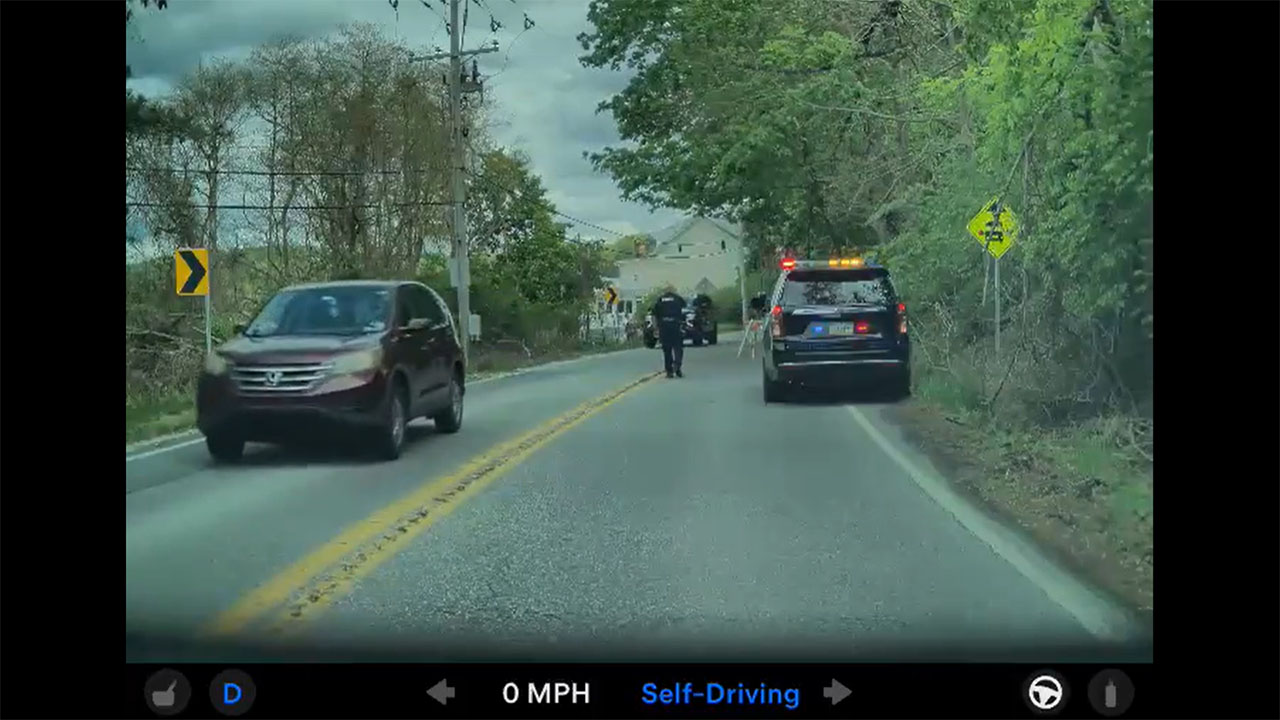
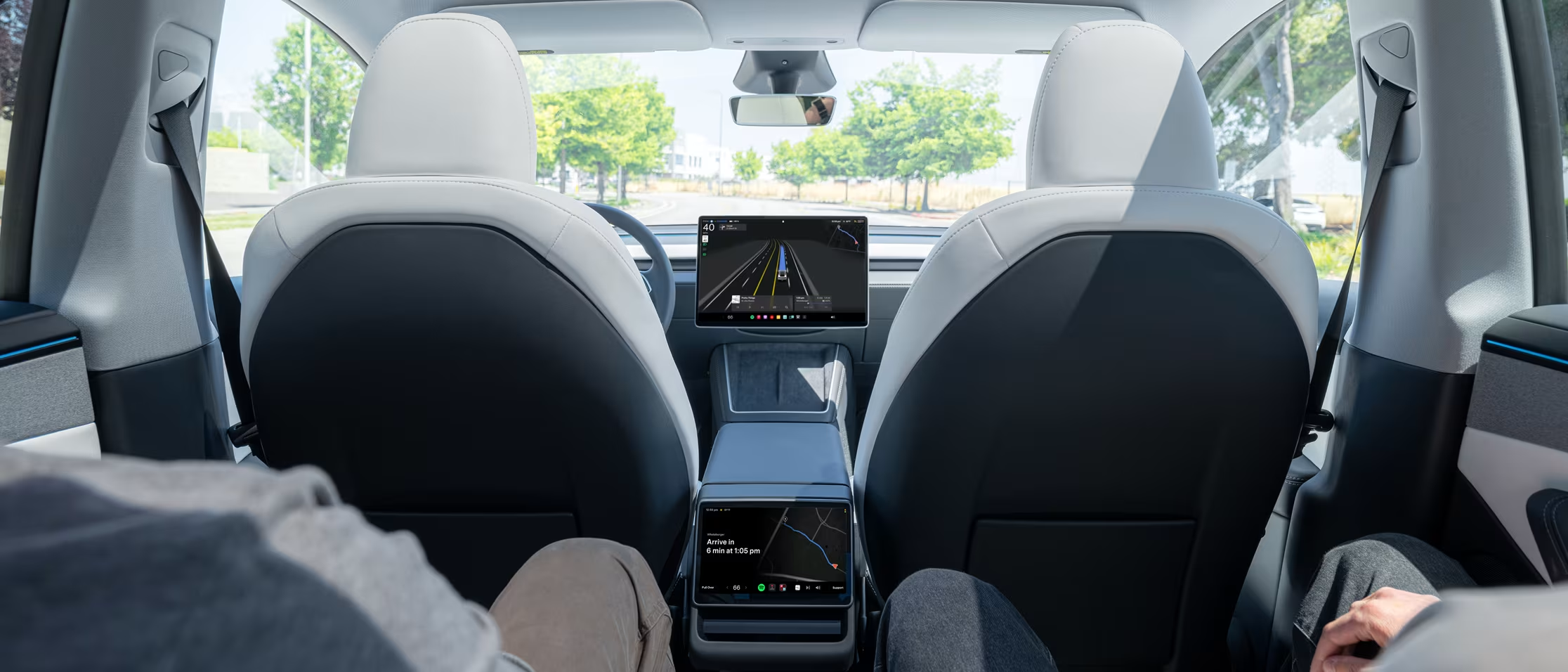
In a regulatory filing that reads as much as a philosophical manifesto as a technical disclosure, Tesla has provided its most candid assessment yet of the human element within its "Full Self-Driving" ecosystem. The company's comments to the California Public Utilities Commission (CPUC) quietly acknowledge that its envisioned Robotaxi service will, for the foreseeable future, depend on a combination of in-car human drivers and remote human operators. In a striking rhetorical pivot, Tesla doesn't frame this as a shortcoming but as a deliberate safety advantage over its primary autonomous vehicle rival, Waymo.
The Human Safety Net: Tesla's Layered Supervision Model
The February 13 filing, part of CPUC Rulemaking 25-08-013, outlines a system where Tesla's "Robotaxi" network would operate under continuous human oversight. This model utilizes a two-tiered human safety net: first, the "Autonomous Vehicle Administrator" or in-car driver, who can intervene at any moment, and second, a domestic remote operator who can provide guidance and support. Tesla argues this creates a more robust and fault-tolerant system than a purely driverless approach. The company posits that having a human physically present or immediately available virtually provides an irreplaceable layer of contextual understanding and instantaneous decision-making, especially during edge-case scenarios or system ambiguities that could confound even the most advanced AI.
Pointing to San Francisco: Tesla's Case Against "Driverless"
In a direct critique of Waymo's operational model, Tesla's filing leverages a high-profile incident to bolster its argument. It cites the December 2025 San Francisco blackout, where multiple Waymo vehicles reportedly stalled and obstructed emergency responders, as a cautionary tale of over-reliance on a fully autonomous system. Tesla contends that its human-supervised framework would have prevented such a gridlock, as a driver or remote operator could have manually navigated the vehicles to safety. This comparison underscores a fundamental divergence in strategy: Waymo's pursuit of removing the driver entirely versus Tesla's vision of an advanced driver-assist system so capable it enables a commercial service, yet still under ultimate human authority.
The implications of this filing are profound, revealing the massive operational gap between Tesla's currently deployed technology and a truly driverless taxi service. While Waymo and Cruise (prior to its setbacks) have operated commercial services without safety drivers in defined geographies, Tesla's admission confirms its "Robotaxi" will not launch in that form. Instead, the company is advocating for a new regulatory and public understanding of autonomy—one where human supervision is not a failing but a feature designed for maximum safety and scalability, potentially allowing for a broader, quicker rollout than the painstaking city-by-city validation required by its competitors.
For Tesla owners and investors, this clarification brings both tempered expectations and a clearer roadmap. The dream of a car generating income while completely empty is deferred, but the path to a supervised network is now more explicitly defined. It suggests that near-term revenue from any Tesla-operated ride-hail service would need to account for the cost of human oversight, impacting potential profit margins. However, it also reinforces the value of the billions of miles of real-world data collected from human-supervised FSD cars—data Tesla claims is crucial for ultimately achieving safer, more generalized autonomy. The investment thesis thus shifts from imminent driverless disruption to a longer, more integrated evolution of human and machine collaboration on the road.