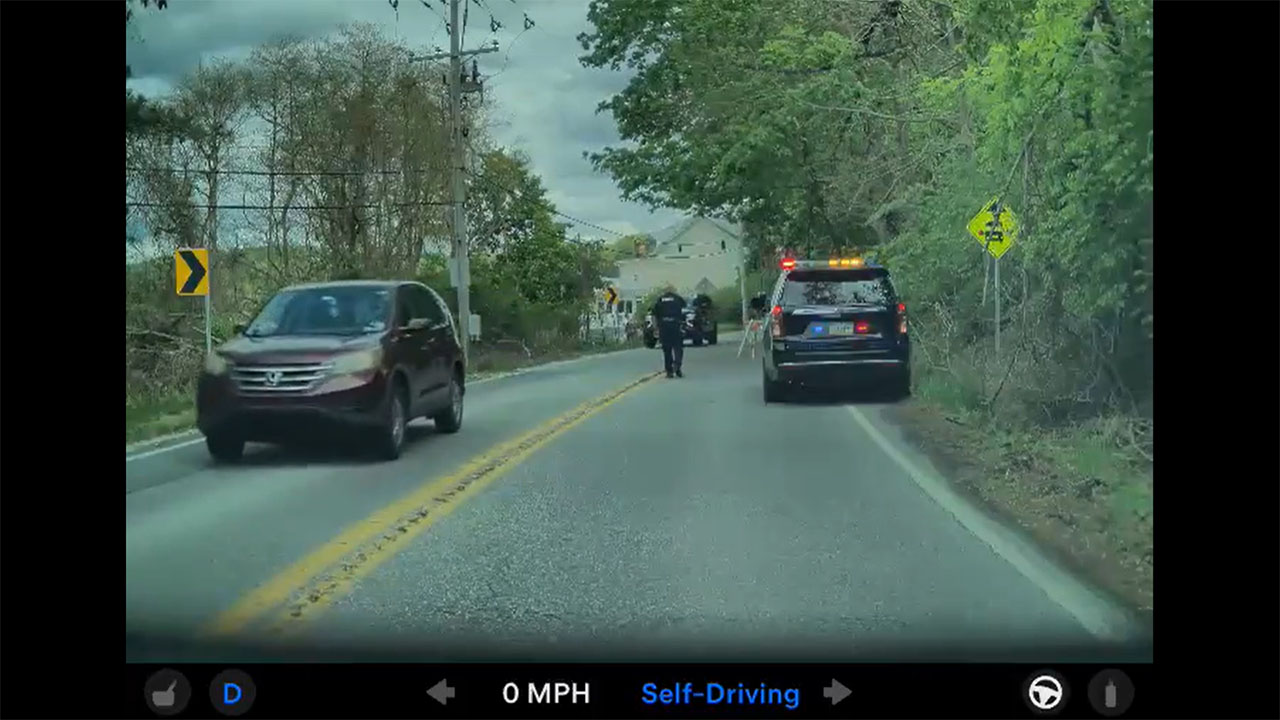
Tesla is deploying a subtle yet powerful new strategy to encourage consistent use of its most controversial and advanced feature. The latest software update introduces a gamified statistics tracker for Full Self-Driving (FSD), complete with a "streaks" counter that rewards drivers for consecutive days of use. This move, paired with a streamlined subscription process, signals a pivotal shift from simply selling the capability to actively fostering habitual reliance on the system.
The Gamification of Autonomy: Streaks and Stats
The new interface, appearing for users with FSD Beta version 12.3.4 and above, presents drivers with a personal dashboard of their usage. The centerpiece is the streak counter, which tallies the number of days in a row a driver engages the system. Beyond this, the tracker logs total FSD miles, a lifetime trip count, and other engagement metrics. This approach mirrors tactics used by fitness and language-learning apps to build daily habits, applying them directly to the complex human-machine interaction of autonomous driving. The underlying message is clear: proficiency and trust in the system grow with regular use.
Lowering the Barrier to Entry: The Subscription Push
Concurrently, Tesla has significantly simplified the path to accessing FSD. The company now promotes a $99 per month subscription model prominently within the vehicle's touchscreen interface, reducing the friction of the former $12,000 upfront purchase. This one-touch subscription, coupled with the new performance stats, creates a powerful feedback loop. Lower commitment lowers the barrier to trial, while the gamified tracking provides ongoing incentive to continue the subscription to maintain streaks and see metrics rise.
Analysts see this as a critical data acquisition play. Every additional mile driven under FSD, particularly by subscribed users keen to extend their streaks, feeds Tesla's insatiable need for real-world driving data. This data is the essential fuel for the neural networks that power the system's development. Encouraging constant use across diverse conditions accelerates the iterative cycle of training and improvement, a core advantage in the EV and autonomy race.
For Tesla owners and investors, the implications are multifaceted. Owners are being gently nudged into a more integrated relationship with their vehicle's software, potentially increasing perceived value and satisfaction. For investors, the strategy targets two key financial metrics: boosting the attach rate of the high-margin FSD software and simultaneously accelerating the data flywheel that underpins Tesla's long-term valuation as an AI and robotics company. The success of this engagement push will be measured not just in subscription revenue, but in the velocity of FSD's evolution toward true autonomy.