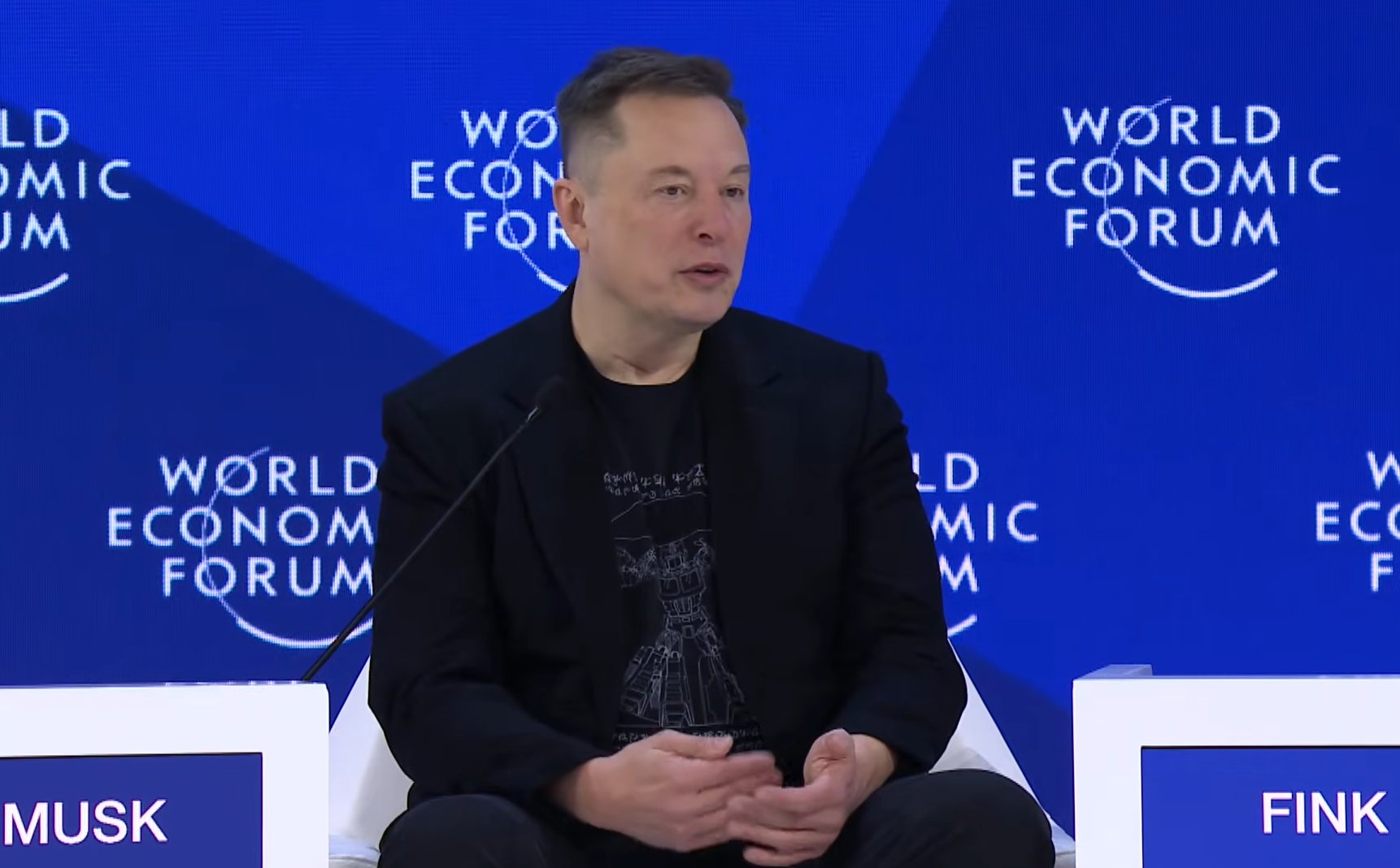
Elon Musk's keynote at the 2026 World Economic Forum in Davos was less a corporate update and more a declaration of a new industrial philosophy. Shifting the narrative from Tesla's roots in electric vehicles, Musk articulated a sweeping vision where the company becomes the primary architect of what he termed "Sustainable Abundance"—a future powered by autonomous machines and advanced artificial intelligence. This pivot signals a fundamental redefinition of Tesla's ambition, positioning it not just as a carmaker, but as a foundational force in the global economy.
From EV Leader to Architect of Abundance
Musk detailed that Tesla's core mission now transcends accelerating the world's transition to sustainable energy. The new objective is to solve the "physical work" equation by leveraging its two most critical projects: the Optimus humanoid robot and its Full Self-Driving (FSD) AI stack. He argued that true sustainability is impossible without abundance, and abundance is unattainable without automating complex physical labor. "An electric vehicle addresses energy and transport," Musk stated, "but an army of intelligent robots addresses the fundamental constraints of manufacturing, logistics, and even domestic labor, creating a surplus of goods and services."
The AI and Robotics Engine Powering the Vision
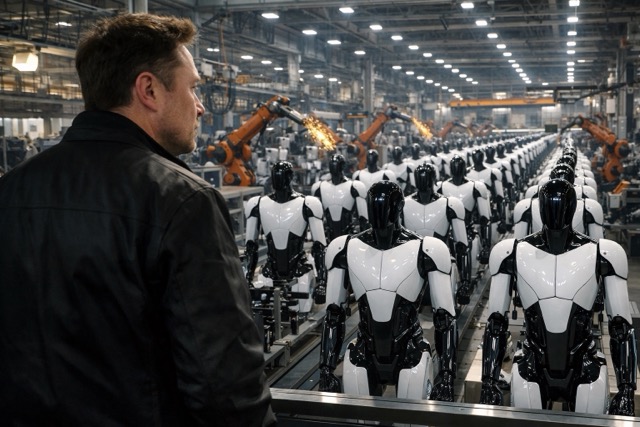
The technical heart of this strategy lies in the symbiotic development of AI and robotics. Musk revealed that the Optimus program is accelerating, with prototypes now performing "useful work" in limited Tesla factory environments. Crucially, he emphasized that the same real-world AI training infrastructure that powers FSD is being applied to teach Optimus tasks. This creates a powerful feedback loop: data from millions of Tesla vehicles improves neural networks that can then be deployed to humanoid robots. The goal, as outlined, is to achieve a cost-effective, general-purpose robot capable of replacing human labor in unsafe, repetitive, or undesirable jobs, thereby triggering a new wave of productivity.
This shift carries profound implications for Tesla's business model. While the EV division remains a critical cash flow and data engine, the company's astronomical valuation is increasingly pegged to its potential in robotics and AI. Musk hinted at a future where Tesla's revenue streams could diversify into robot leasing, AI licensing, and even turning its Gigafactories into "AI training powerhouses" for third parties. The energy division, with its solar and Megapack products, was framed as the essential physical grid supporting this electrified, automated ecosystem.
Implications for Owners and Investors
For Tesla owners, this vision reinforces the investment value of their vehicle's Hardware 4+ suite, as each car contributes to the most ambitious real-world AI project on Earth. Investors must now evaluate Tesla through a dual lens: its current automotive execution and its staggering optionality in robotics. The Davos announcement makes clear that betting on Tesla is a bet on Musk's thesis that AI and robotics are the next trillion-dollar markets. However, it also introduces new layers of execution risk and regulatory scrutiny far beyond the automotive sector. The journey from visionary prototype to global, safe deployment of humanoid robots will be the defining challenge of Tesla's next decade.