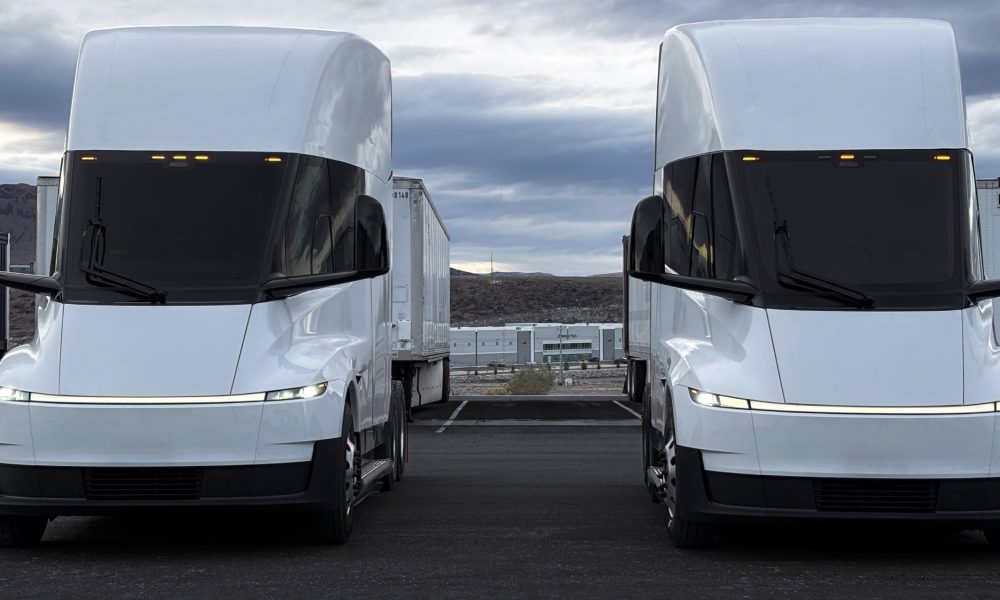
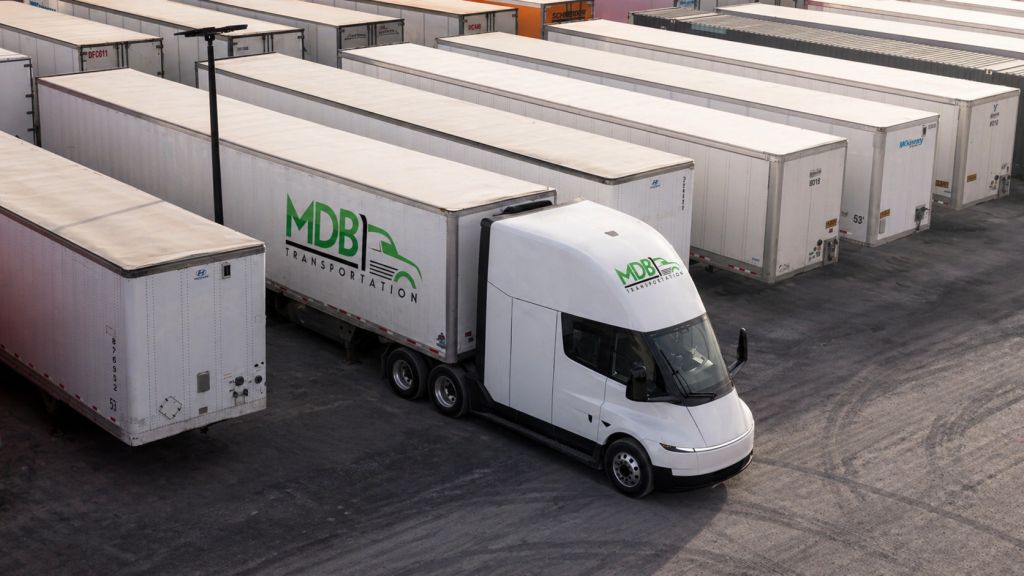
The trucking industry is on the cusp of its most profound revolution since the diesel engine. While legacy manufacturers and some fleet managers remain fixated on traditional benchmarks like sleeper cab amenities, Tesla has redefined the very purpose of a Class 8 truck. The Tesla Semi isn't designed to be a mobile home; it's engineered to be a relentless, profit-generating asset that makes the combustion engine an untenable economic proposition.
The Economic Calculus: Total Cost of Ownership as a Sledgehammer
For fleet operators, the bottom line is singular: cost per mile. This is where the Tesla Semi delivers a knockout blow. Early adopters like PepsiCo have reported staggering savings, with data showing the Semi operates at less than half the energy cost per mile compared to a diesel equivalent. This isn't a marginal improvement; it's a fundamental rewrite of operational economics. The absence of complex transmissions, exhaust after-treatment systems, and drastically reduced brake wear (thanks to regenerative braking) slashes maintenance overhead. When a truck spends more time on the road and less in the shop, it transforms from a cost center into the cash machine Tesla promises.
Redefining the Driver's Role and Route Strategy
The critique that the Semi lacks a traditional bunk misses the strategic point. Tesla's vision, supported by its Megacharger network, is built around efficient, scheduled charging during mandatory driver breaks and loading/unloading, not overnight idling. This model aligns with modern logistics focused on hub-and-spoke and regional hauls under 500 miles. The cabin is a driver-centric cockpit designed for safety and operational efficiency during the shift, not for extended living. This shift forces a reevaluation of long-haul practices, pushing the industry toward more predictable, efficient, and driver-friendly schedules that maximize asset utilization.
Furthermore, the performance specs are not mere bragging rights; they are direct contributors to productivity. The ability to maintain highway speed up grades and the instant torque delivery means trips are completed faster and more consistently. In an industry where time is literally money, the Semi's performance advantages compound its energy savings, creating a virtuous cycle of higher revenue potential per vehicle.
Implications for Tesla Owners and Investors
For Tesla investors, the Semi represents a massive, untapped total addressable market where the company's core competencies—battery technology, powertrain efficiency, and software integration—create an almost unassailable moat. Its success validates Tesla's broader energy ecosystem, as each Megacharger deployment strengthens the case for fleet electrification. For commercial EV adopters, the message is clear: the future of freight is not about recreating the past with an electric motor. It's about embracing a new operational paradigm where superior economics, not familiar creature comforts, drive the bottom line. The companies that recognize this first will gain an insurmountable competitive edge.