The convergence of Silicon Valley's most disruptive tech titans with the U.S. Department of Defense marks a significant shift in the future of defense technology. In a high-stakes move, the Pentagon has reportedly enlisted both SpaceX and xAI, companies founded by Elon Musk, for a six-month autonomous drone competition. This initiative, which launched in January, underscores a growing reliance on commercial innovation for next-generation military capabilities and places two of Musk's most ambitious ventures at the forefront of a critical national security arena.
The Strategic Alliance: Commercial Tech Meets Defense
The competition, part of the Pentagon's Autonomous Multi-Domain Adaptive Swarms (AMAAS) program, seeks groundbreaking solutions for deploying large numbers of AI-driven drones in complex, contested environments. The involvement of SpaceX and xAI is particularly strategic. SpaceX brings unparalleled expertise in secure, global connectivity through its Starlink satellite constellation, a potential backbone for real-time command and control of drone swarms anywhere on Earth. Meanwhile, xAI, Musk's artificial intelligence company, is poised to contribute its advanced reasoning and machine learning models, potentially enabling drones to make complex, independent decisions on the battlefield. This partnership highlights a clear doctrinal evolution: leveraging commercial speed and innovation to maintain technological overmatch.
Implications for AI and Autonomous Systems Development
This $100 million award program is more than a procurement contest; it's a rapid acceleration engine for autonomous systems. The intense, six-month timeline will push participants to integrate and mature technologies at a breakneck pace, compressing years of development into a single sprint. For xAI, the contest provides a demanding, real-world proving ground for its Grok AI models, testing their robustness and reliability in physically dynamic scenarios far removed from text-based chatbots. The data and experience gained here will be invaluable, potentially flowing back to advance the core AI that could one day power everything from Tesla's Optimus robots to fully autonomous vehicles.
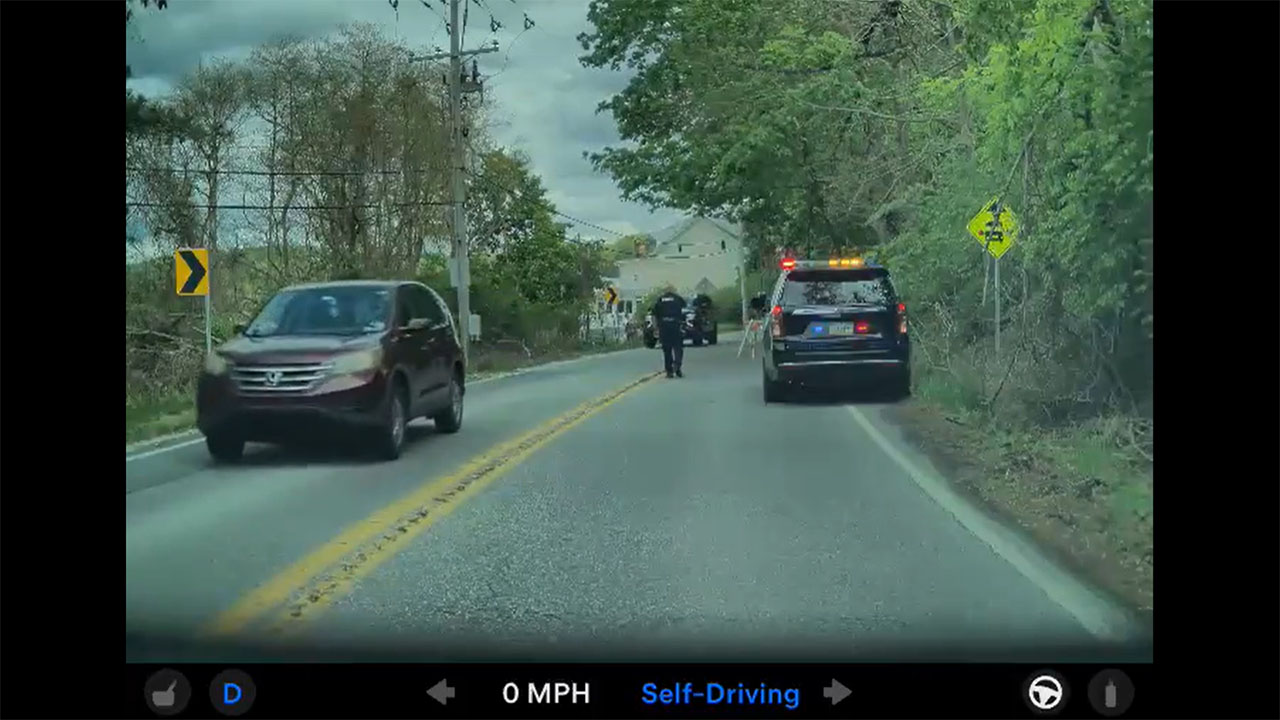
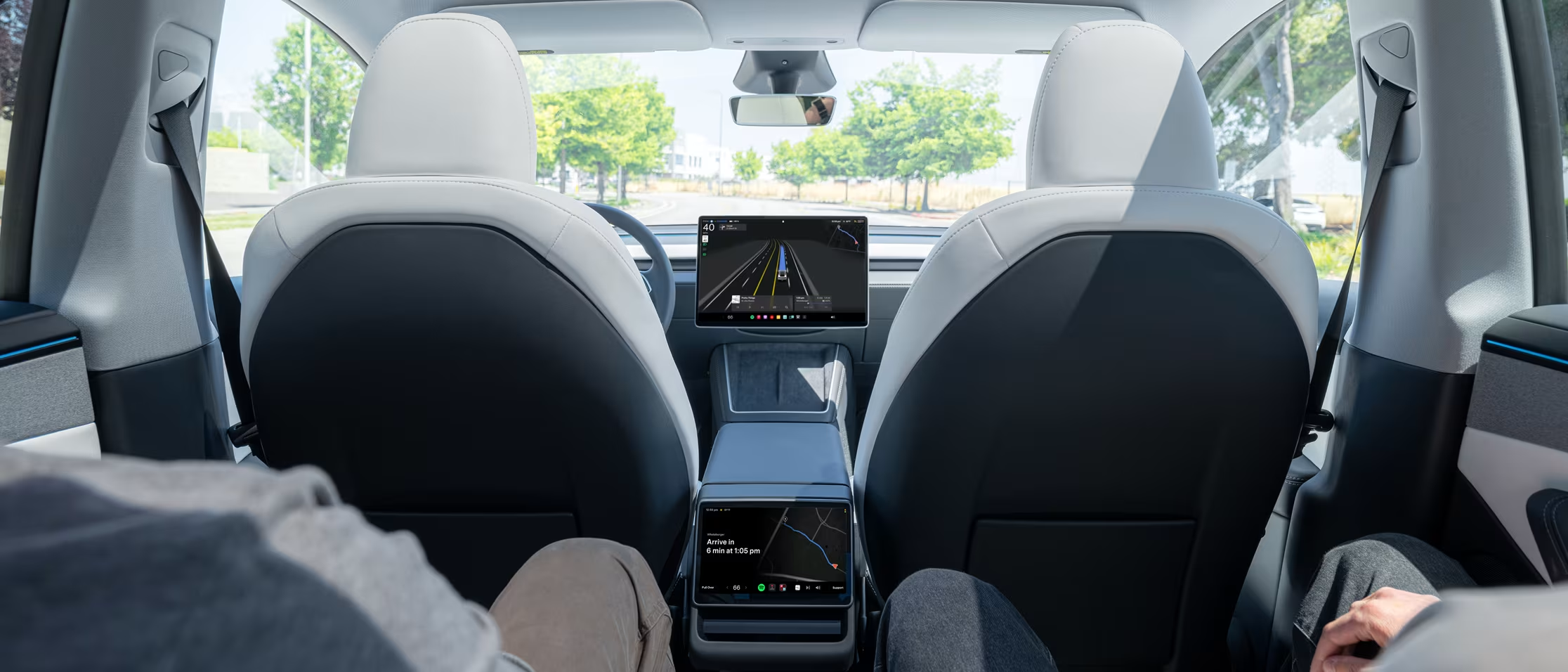
For Tesla watchers, the implications are multifaceted. While Tesla itself is not a direct participant, the technological frontiers being explored—particularly in real-time AI vision, navigation, and decision-making—are deeply aligned with the challenges of full self-driving (FSD) and autonomous robotics. Breakthroughs in one domain often catalyze progress in another. Furthermore, the high-profile nature of this contract reinforces the immense value and competitive edge held by companies that vertically integrate cutting-edge AI with real-world hardware and connectivity, a philosophy central to Tesla's own strategy.
For Tesla owners and investors, this news is a potent reminder of the broader ecosystem Musk is building. The synergy between his companies—where AI from xAI, connectivity from SpaceX, and robotics from Tesla can inform and strengthen each other—creates a formidable technological moat. Investors should view this not as a distraction, but as a validation of the core AI expertise being developed within the Musk portfolio, which ultimately benefits Tesla's long-term autonomy goals. Owners can expect the relentless pace of AI innovation, now further fueled by defense-grade challenges, to continue accelerating the capabilities of their vehicles and the company's future products.