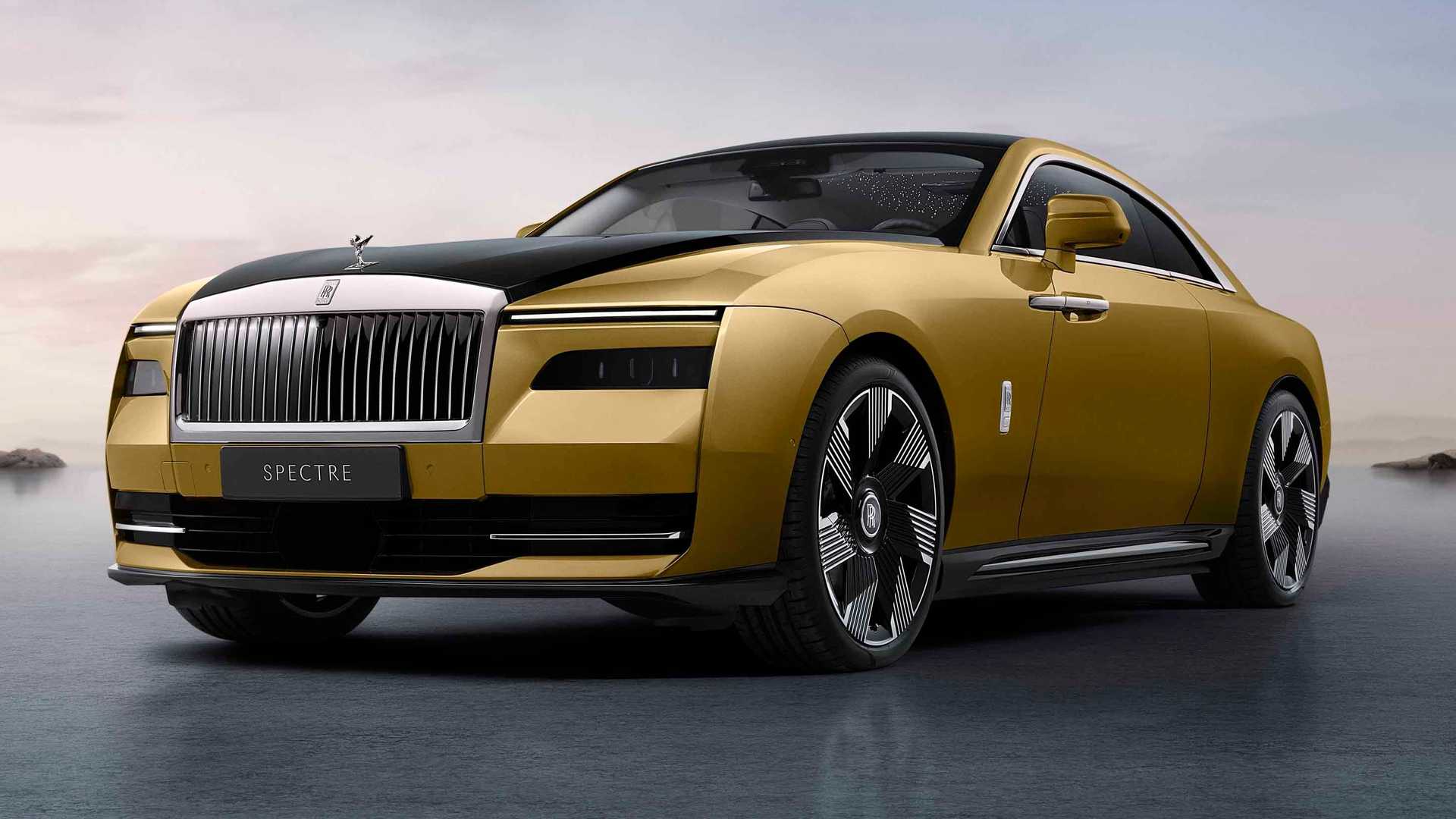
In a move that reverberates beyond the rarefied air of its own clientele, Rolls-Royce Motor Cars has officially abandoned its target to become a fully electric brand by 2030. This strategic reversal, confirmed by CEO Chris Brownridge, marks a significant departure from the aggressive electrification timelines set by many premium automakers and throws a stark light on the unique dynamics governing the ultra-luxury automotive sphere. While the industry at large charges toward an electric future, Rolls-Royce's decision to continue its legendary V12 combustion engines underscores a complex reality where customer demand, not regulatory pressure alone, dictates the pace of change.
A Pivot Driven by Patron Preference
The core rationale for the shift is refreshingly simple: the customer is king. Rolls-Royce's clientele, which represents the pinnacle of global wealth, has demonstrated a sustained and potent appetite for the company's existing combustion models. The Spectre, Rolls-Royce's first fully electric vehicle, has been a success, but it has not diminished demand for the Cullinan SUV or Phantom sedan. "Our patrons have told us very clearly that they are not ready to embrace a fully electric Rolls-Royce," Brownridge stated, emphasizing that the shift is a response to market signals rather than a retreat from electrification. The company will now adopt a flexible, "anti-fast fashion" approach, offering electric, petrol, and eventually hybrid powertrains side-by-side for the foreseeable future.
Context: The Luxury EV Adoption Curve
This decision highlights a critical fissure in the broader EV transition narrative. While mainstream and high-volume premium segments are experiencing accelerating electric adoption, the calculus is different at the very top. The ultra-luxury purchase is often less about practicality and more about emotion, tradition, and the sensory experience—areas where the visceral theater of a 12-cylinder engine still holds immense sway. Furthermore, the infrastructure concerns that might sway a typical buyer are largely irrelevant for an owner with multiple estates and a staff to manage charging. Rolls-Royce's move suggests that for this segment, electrification will be a graceful evolution, not a revolution mandated by a calendar date.
This Rolls-Royce recalibration carries profound implications for Tesla and the electric vehicle landscape. Firstly, it validates that even with immense resources, forcing a market transition before it is organically ready is fraught with difficulty. Tesla's mission has always been to accelerate the advent of sustainable transport, but Rolls-Royce's experience illustrates that the final frontiers of adoption may require patience and flexibility. Secondly, it subtly reinforces the distinct competitive positioning of brands like Tesla, which are built from the ground up as technology and software companies. The desire to preserve a legacy powertrain is not a challenge Tesla faces, allowing it to remain singularly focused on advancing electric vehicle performance, efficiency, and scale.
For Tesla owners and investors, the news is a mixed signal. It confirms that Tesla's core market—the innovative, tech-forward, and efficiency-minded premium buyer—remains firmly on the electrification path. However, it also serves as a reminder that total market domination is a complex endeavor, with niche segments following their own timelines. Investors should see this as evidence that the EV transition is maturing, entering a phase where nuanced market segmentation is as important as raw technological disruption. For Tesla, the opportunity lies not in competing for Rolls-Royce's customers, but in continuing to define and expand the market for what a premium electric experience can be, pulling the entire industry forward on its own terms.