This week has delivered a stark reality check for the autonomous driving sector, with new data revealing significant safety concerns and a viral incident adding a bizarre twist. As regulatory scrutiny intensifies, the emerging picture challenges the narrative of near-term, ubiquitous robotaxis and places renewed focus on the core technology's current maturity.
Robotaxi Data Reveals a Troubling Safety Disparity
Newly released data from Austin, Texas, provides one of the most direct comparisons yet between autonomous vehicles and human drivers. The report indicates that robotaxis operating in the city were involved in crashes at a rate more than four times higher than that of human-driven vehicles over a similar period. This statistic is particularly impactful as it comes from a real-world operating environment, not controlled testing. While the severity of most incidents was reportedly low, the frequency raises urgent questions about the operational design domain and decision-making protocols of current autonomous driving systems.
A Bizarre Incident and a Broader Market Chill
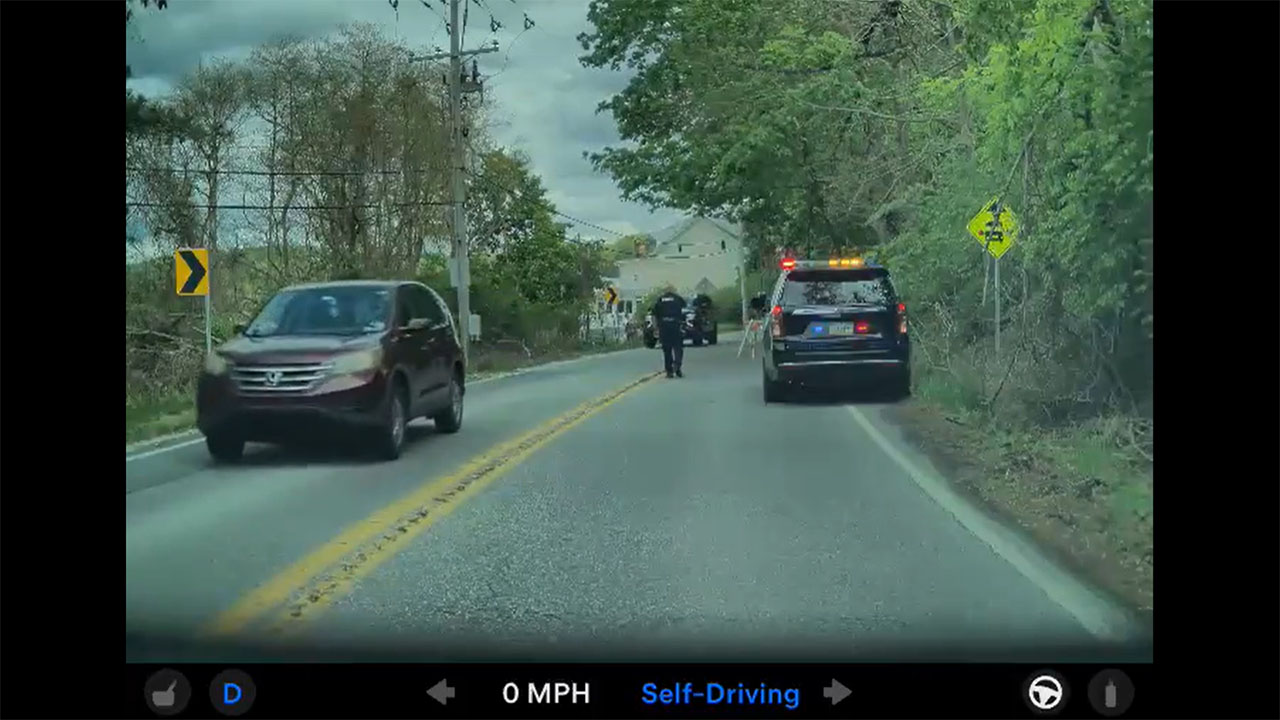
Adding to the week's turbulence, a viral video from an undisclosed location appears to show a Tesla vehicle on Autopilot maneuvering off a road and toward a body of water, requiring driver intervention to avoid a potential submersion. The incident, while isolated, feeds into ongoing investigations by the National Highway Traffic Safety Administration (NHTSA) into Tesla's driver-assistance systems. This comes amid a reported 45% month-over-month sales decline for Tesla in China for April, signaling fierce competition and potential demand softening in the world's largest EV market, further compounding the company's challenges.
The convergence of these events is not coincidental but reflective of a critical inflection point for the industry. Regulators and the public are moving past the awe of the technology's promise and are demanding concrete, statistically validated proof of safety. The Austin data directly undermines the core safety proposition of autonomous systems, while the "swimming" Tesla video—regardless of ultimate cause—erodes consumer trust in the "beta" systems deployed on public roads today.
For Tesla owners and investors, the implications are multifaceted. The regulatory environment for Full Self-Driving (FSD) and any future robotaxi ambitions is likely to harden, potentially delaying commercial deployment timelines. Every incident, whether a minor fender-bender or a viral anomaly, contributes to a risk profile that could impact insurance costs and public perception. Investors must weigh Tesla's long-term vision against the mounting short-term evidence that achieving reliable, large-scale autonomy is a far more complex and hazardous endeavor than previously portrayed, with significant capital and reputational risks at stake.