The specter of "unintended acceleration" has haunted Tesla's public narrative for years, often cited by critics and fueling viral—though frequently debunked—social media clips. That narrative faced a significant legal and regulatory test, one that has now concluded with a decisive ruling in Tesla's favor. The U.S. National Highway Traffic Safety Administration (NHTSA) has officially closed its investigation and denied a high-profile 2023 defect petition that sought a recall of all Tesla vehicles produced since 2013, delivering a robust dismissal of the core allegations.
A Petition Built on "Inconclusive" Data
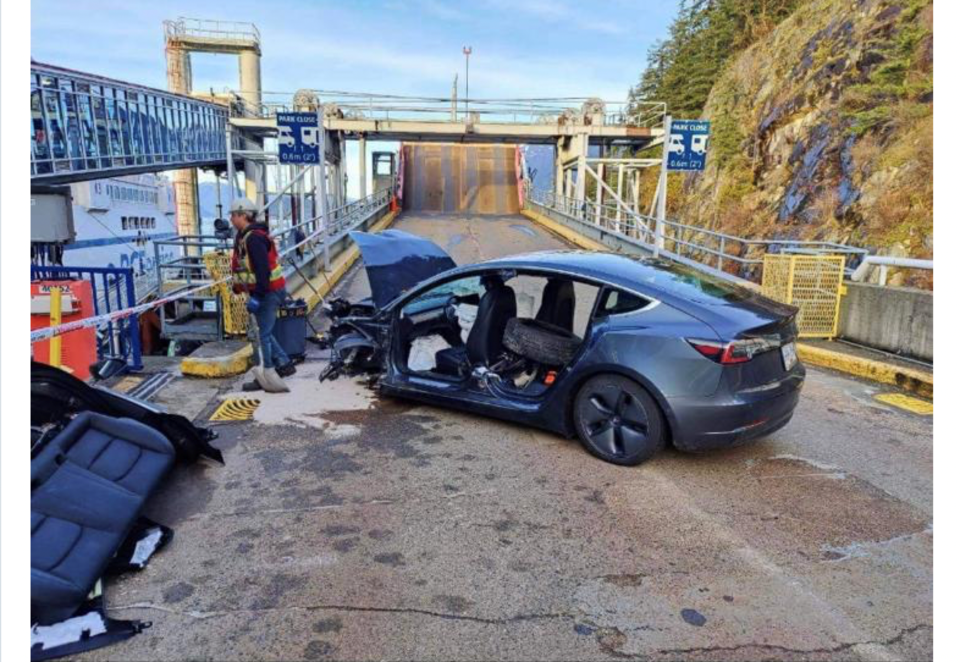
The petition, which triggered a formal Office of Defects Investigation (ODI) review, alleged a systemic flaw in Tesla's drive systems, suggesting a potential for vehicles to accelerate without driver input. After a detailed technical analysis spanning over a year, NHTSA's verdict was unambiguous. The agency stated the petition's claims were based on "inconclusive" methods and unverified assumptions, failing to identify any evidence of a defect. Crucially, NHTSA's own data analysis found that crash events cited by petitioners were caused by pedal misapplication—the driver pressing the accelerator instead of the brake—not by any fault in the vehicle's software or hardware.
Engineering Analysis Upholds Tesla's System Design
Delving deeper, NHTSA's engineering report highlighted the fundamental redundancies in Tesla's accelerator control systems. The agency noted that Tesla vehicles utilize dual, independent position sensors on the accelerator pedal, with the system requiring agreement between both to increase power. If a fault is detected, it defaults to a "limp home" mode or cuts torque entirely. Furthermore, NHTSA confirmed that the physical brake system is designed to overpower the drive motor even under full throttle, a critical failsafe. This technical deep dive concluded that the probability of a fault causing the alleged widespread unintended acceleration was "extremely remote."
This decision marks the second time NHTSA has investigated and dismissed broad unintended acceleration claims against Tesla, with a prior probe closing in 2021. The persistence of these petitions, often driven by third-party advocacy groups, underscores the intense scrutiny Tesla faces and the challenge of separating technical reality from persistent myths in the court of public opinion. For regulators, the reliance on empirical vehicle data and diagnostic logs proved more conclusive than anecdotal reports.
For Tesla owners and investors, this ruling provides significant regulatory vindication. It reinforces confidence in the fundamental safety architecture of Tesla's vehicles and removes the near-term risk of an unprecedented, financially catastrophic recall that would have impacted millions of cars. However, the outcome does not grant Tesla a free pass on vehicle safety. NHTSA remains actively engaged in other investigations, including those concerning Autopilot and steering components, ensuring the company's systems will continue to be examined under a microscope. The denial solidifies Tesla's engineering stance but reaffirms that in the era of software-defined vehicles, regulatory and public scrutiny remains a permanent fixture.