For many Tesla owners, the first vehicle inspection is a leap into the unknown. Unlike the familiar service rhythms of internal combustion cars, the process for an electric vehicle, particularly one from a brand that has rewritten the rulebook, feels shrouded in mystery. As my own Model 3 approached its three-year mark, the anticipation was less about the car's readiness and more about the system's unpredictability. Online forums painted a picture of stark contrasts: tales of 20-minute drive-through approvals versus nightmare scenarios of failed inspections for obscure, non-mechanical issues. Stepping into the inspection lane, I was testing more than my car's brakes and lights; I was testing a new paradigm against an old regulatory framework.
A Process Redefined for the Electric Age
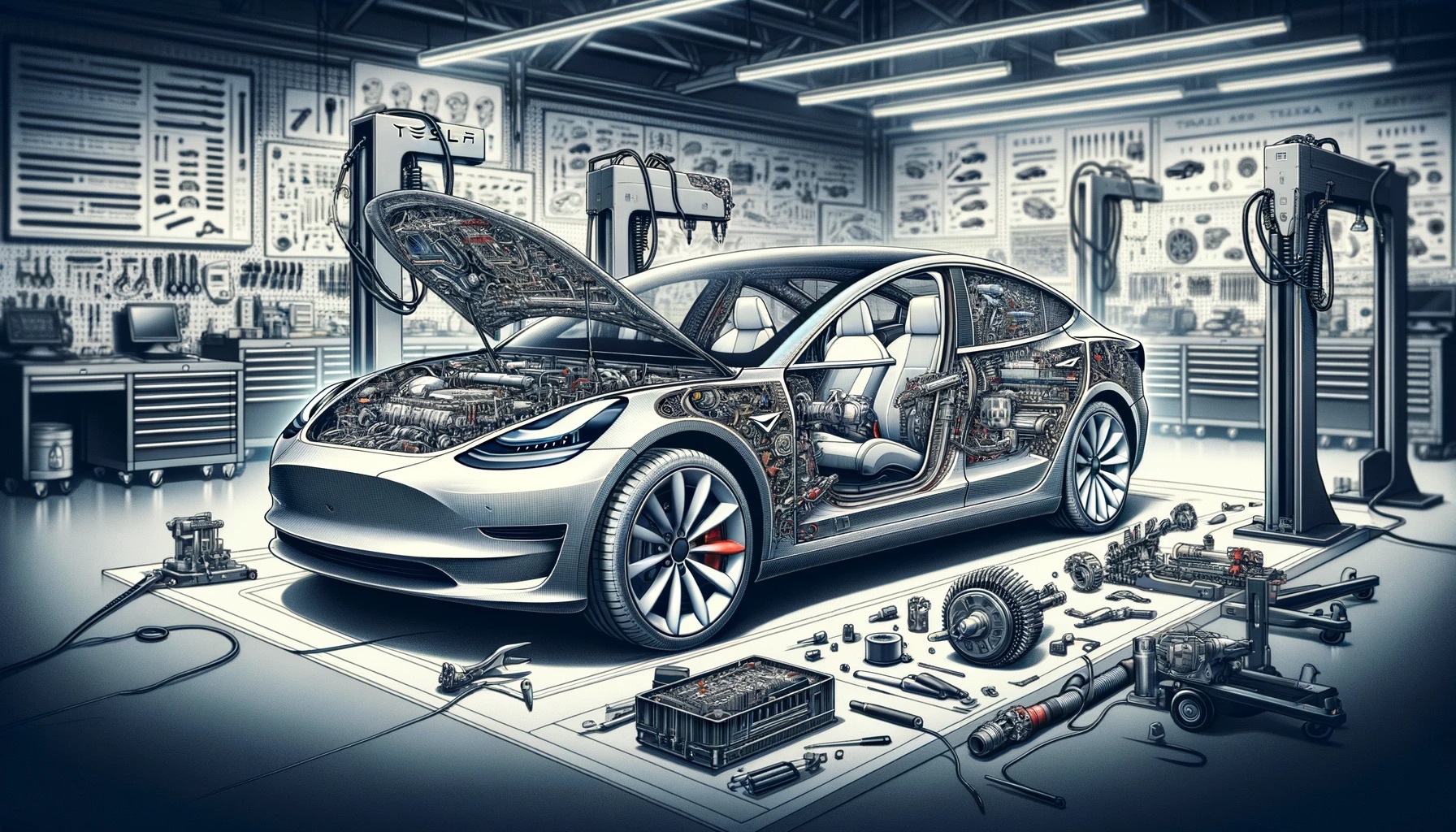
The actual inspection was a study in anticlimactic efficiency. With no engine oil, transmission fluid, or exhaust emissions to check, the technician's focus shifted entirely to the vehicle's fundamentals. The core checks were on brake health, tire condition, all lighting functions (including the signature automatic headlights and fog lights), windshield wipers, and the horn. The inspector spent considerable time examining the undercarriage, not for leaks but for any structural damage to the battery pack. The absence of a traditional powertrain streamlined the process dramatically, turning what is often a 45-minute ordeal for an ICE vehicle into a significantly shorter appointment. The silence of the cabin during the brake test, devoid of engine rumble, underscored just how different this evaluation truly was.
The Real Hurdle: Software and "Unconventional" Features
Where the process briefly stalled was not with hardware, but with software-driven features. The inspector initially questioned the automatically engaging parking brake when the car is put in 'Park'—a standard Tesla behavior that lacked a familiar manual handbrake lever for visual verification. A quick demonstration sufficed. Furthermore, the car's lack of a dedicated, always-illuminated rear fog light (a legal requirement in many regions, activated via the touchscreen) required explanation. This highlights a growing pain point: inspection protocols, and the technicians administering them, are still adapting to vehicles where critical safety functions are buried in sub-menus rather than attached to physical stalks or buttons.
For Tesla owners, the key takeaway is preparation. Ensure all software updates are installed to guarantee lighting functions operate as legally required. Physically test your horn, wipers, and every light—including the often-forgotten rear fog light setting in the 'Light' menu. For investors, this mundane ritual is a microcosm of Tesla's broader impact. As EV adoption accelerates, the entire automotive service and regulatory infrastructure is being forced to adapt. Tesla's success isn't just measured in delivery numbers, but in its ability to normalize these new processes, reducing friction for owners and paving a smoother road for the electric future. The inspection, ultimately, passed without issue. The larger test of integrating revolutionary vehicles into a conventional world is ongoing, but passing one car at a time.