As temperatures plummet and winter's grip tightens, Tesla owners face a unique set of challenges to keep their electric vehicles performing at their peak. While cold weather is no longer the existential threat to EVs it was once perceived to be, it undeniably demands a more strategic approach, particularly when it comes to charging. Tesla has recently distilled its expertise into a set of key recommendations, providing a clear blueprint for maintaining a fluid, fast, and efficient charging experience even in deep freeze conditions. Mastering these winter protocols is not just about convenience; it's about preserving range, battery health, and the seamless ownership experience Tesla is known for.
The Home Base Advantage: Preconditioning is Paramount
The cornerstone of winter charging strategy begins at home. Tesla explicitly advises owners to aim for a charging completion time that coincides with your departure. This is because scheduling your charge in the Tesla app allows the vehicle's sophisticated battery management system to prepare the battery optimally. As the charge cycle concludes, the system can use wall power to warm the battery to its ideal temperature, a process known as preconditioning. This means you start your journey with a warm battery, immediately recapturing lost range and reducing the energy drain that would otherwise be used to heat the battery on the road. It’s a simple software setting with a profound impact on daily efficiency and driving enjoyment.
Navigating the Supercharger Network in the Cold
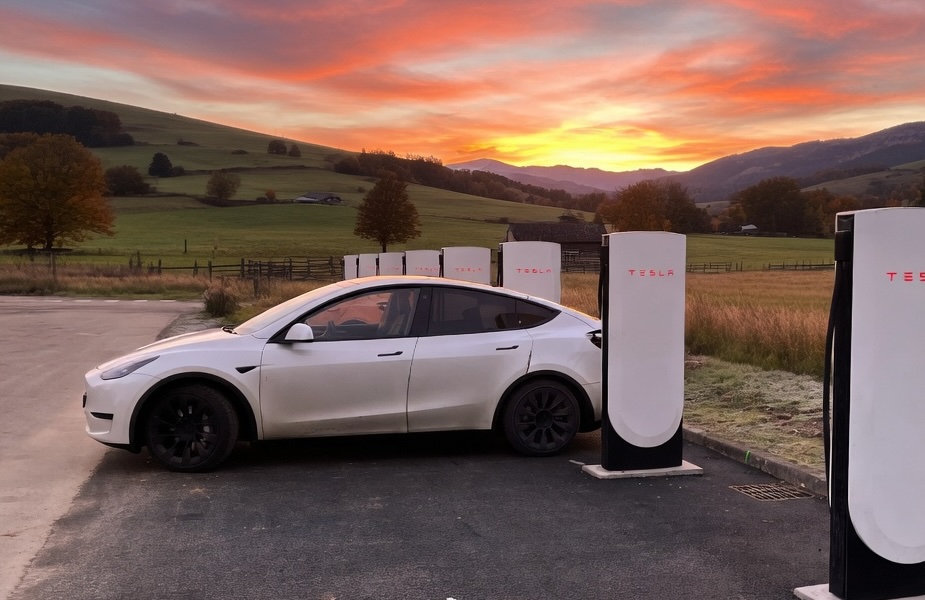
For longer journeys reliant on the Supercharger network, a proactive approach is non-negotiable. The most critical step is to use your vehicle's navigation to route to a charger, even if you know the way. When you do this, Tesla's system will automatically begin preconditioning the battery as you approach, bringing it to the perfect temperature for rapid charging. Attempting to fast-charge a cold battery results in significantly reduced speeds, longer stops, and potential frustration. Furthermore, if you arrive at a Supercharger and the battery is still cold, consider using the vehicle's climate system or even taking a short drive to generate heat before plugging in. This small effort can slash charging time dramatically.
Beyond charging tactics, broader winter wisdom applies. Keeping your Tesla plugged in whenever possible, even if not actively charging, allows the vehicle to draw power for battery heating from the grid rather than its own reserves. Minimizing use of sentry mode and cabin overheat protection in extreme cold can also conserve crucial percentage points. For those in consistently harsh climates, investing in all-weather tires is a safety and performance upgrade far more significant than on a gasoline car, as it directly affects traction and regenerative braking efficiency.
For Tesla owners and investors, these winter strategies underscore the intelligent, software-driven nature of the modern EV. The tips are less about brute-force engineering and more about leveraging the vehicle's inherent intelligence through owner awareness. This focus on owner education and system optimization strengthens brand loyalty and mitigates one of the most common public concerns about EV adoption. As Tesla continues to refine its battery chemistry and thermal systems, the winter penalty will further diminish, but for now, following these protocols ensures that drivers are extracting maximum performance and value from their vehicles year-round, turning a potential seasonal hurdle into a mastered routine.