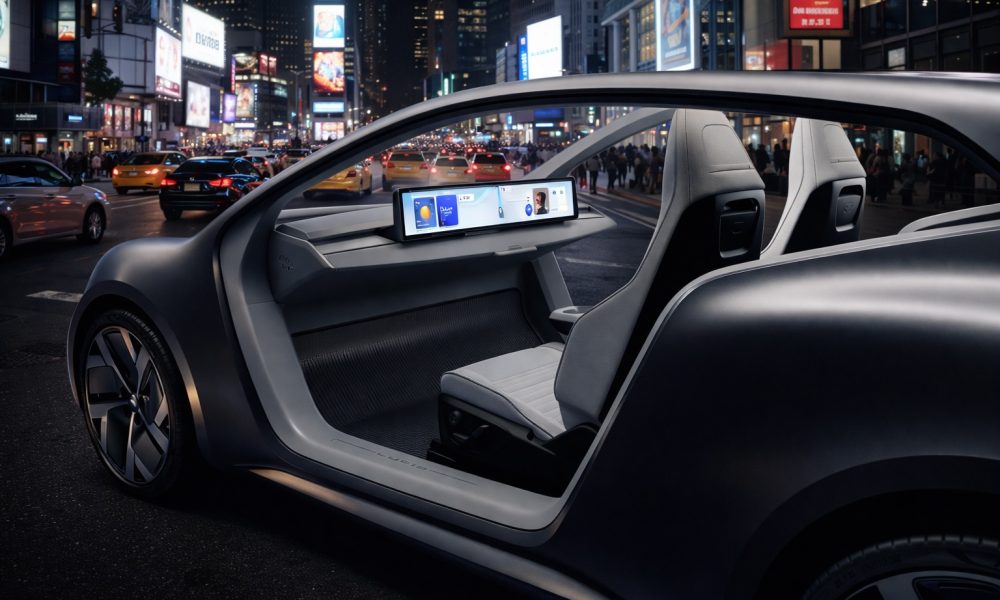
The autonomous ride-hailing arena, long anticipated as the next trillion-dollar frontier, has a new and unexpected contender. Luxury EV maker Lucid Motors has officially thrown its hat into the ring, unveiling the "Lunar" robotaxi in a direct bid to challenge Tesla's forthcoming Cybercab. This move dramatically escalates the race to deploy driverless vehicles, transforming it from a one-horse sprint into a multi-company marathon where technological prowess and commercial execution will be paramount.
Lucid's Lunar: A Luxury Play for Autonomy
Lucid's entry is not a mere me-too product. The Lunar robotaxi leverages the company's renowned expertise in high-efficiency powertrains and spacious packaging, promising a premium, comfortable experience for passengers. While technical specifications remain under wraps, the vehicle's design philosophy suggests a focus on airport transfers, corporate campuses, and high-end urban zones where comfort and quiet are valued. This positions Lucid not as a broad-based, volume-focused competitor initially, but as a player targeting the lucrative top tier of the market—a segment Tesla's more utilitarian Cybercab may not explicitly target.
The Uphill Battle for a New Entrant
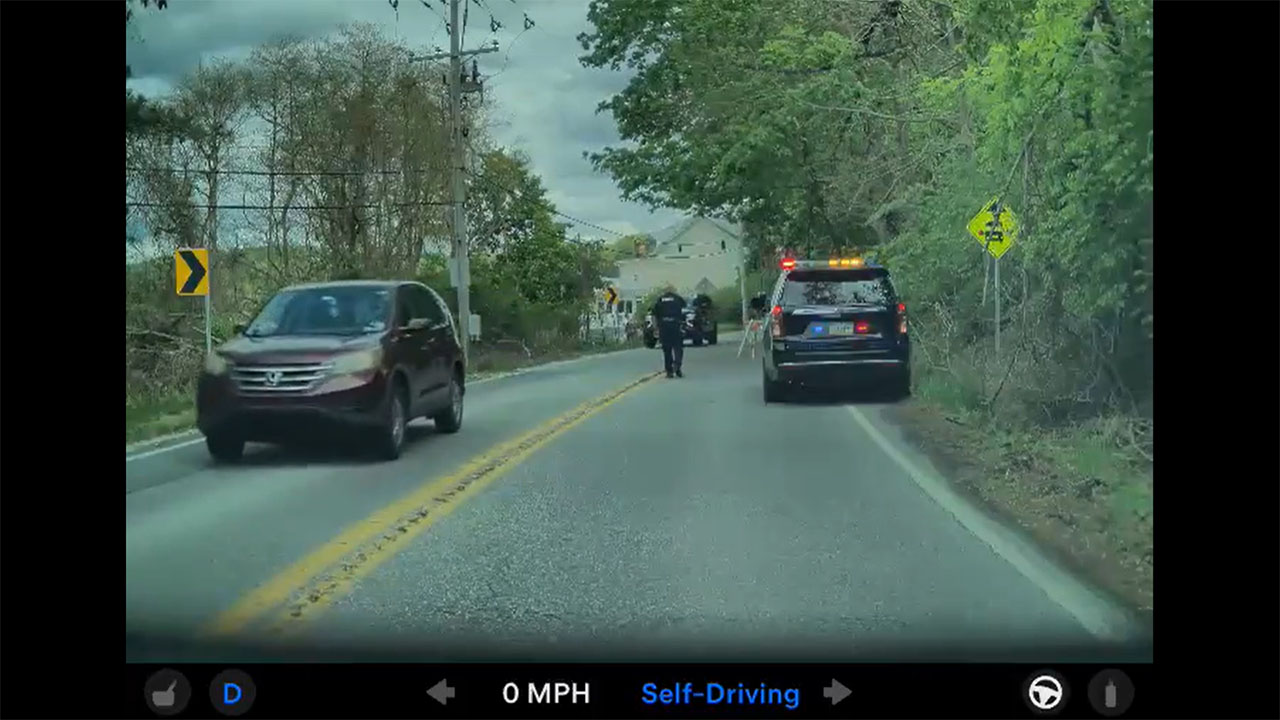
Despite the bold announcement, Lucid faces a monumental challenge. Tesla's advantage lies not just in a vehicle design, but in its massive, real-world data engine. With millions of Tesla vehicles on global roads collecting billions of miles of driving data, its Full Self-Driving (FSD) system has a significant head start in training and validation. Furthermore, Tesla plans to leverage its existing manufacturing scale and direct sales model. Lucid, while technologically sophisticated, must build its autonomous stack from a much smaller data foundation and scale production of a completely new vehicle type, all while managing its core business of selling luxury sedans and SUVs.
Implications for Tesla and the EV Landscape
For Tesla, Lucid's move is a validation of its long-stated vision for autonomous ride-hailing, but also a warning that the market will be fiercely contested. It may pressure Tesla to accelerate the Cybercab's timeline and refine its business model. For investors and owners, the competition intensifies the focus on software maturity and regulatory approval. The winner will likely be the company that first achieves regulatory-certified, geofenced autonomy at scale, not just the one with the most stylish concept. This development signals that the autonomous future is becoming a crowded field, potentially accelerating innovation but also raising the capital required to compete.