The landscape of autonomous mobility just became a two-horse race in the premium segment. Following Tesla's much-hyped reveal of its purpose-built Cybercab during the Robotaxi event, Lucid Motors has fired a direct salvo with the unveiling of its Lunar Robotaxi. This strategic move pits two of the most technologically advanced EV manufacturers against each other in a high-stakes battle for the future of urban transportation, shifting the competition beyond luxury sedans and into the nascent but colossal autonomous ride-hailing market.
Lucid's Lunar: A Premium Challenger Emerges
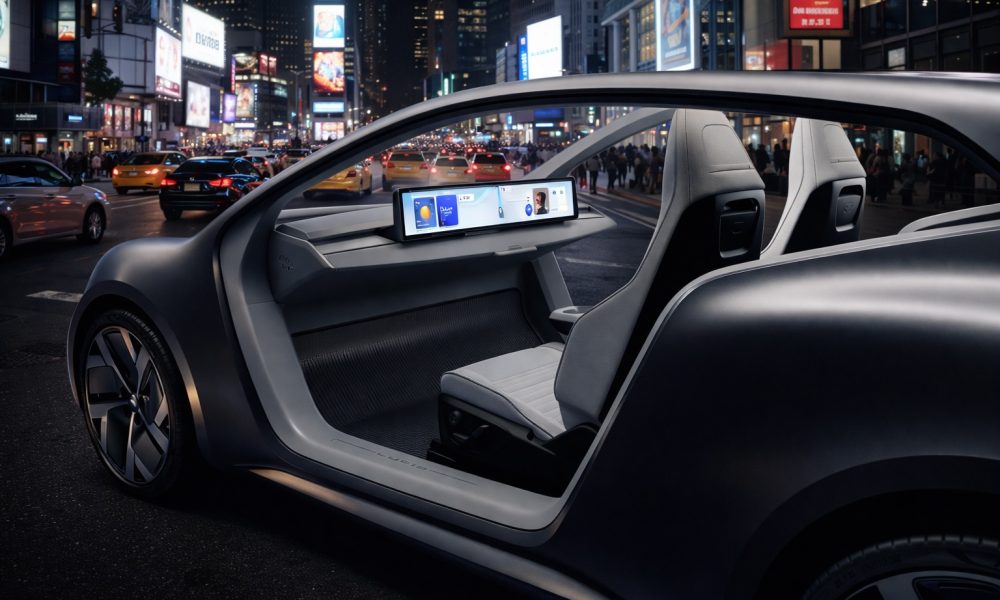
Lucid's entry, named Lunar, is not a modified version of its Air sedan but a ground-up vehicle designed specifically for autonomous ride-hailing. Early design previews suggest a focus on passenger experience and efficiency, hallmarks of the Lucid brand. The vehicle is expected to leverage the company's industry-leading 900-volt architecture and miniaturized drivetrain technology to maximize interior space. While technical specifications for its sensor suite and computing hardware remain under wraps, Lucid has confirmed partnerships with several leading AI and autonomy software firms, indicating a potentially different path to full self-driving compared to Tesla's vertically integrated vision.
The Strategic Battle Beyond the Hardware
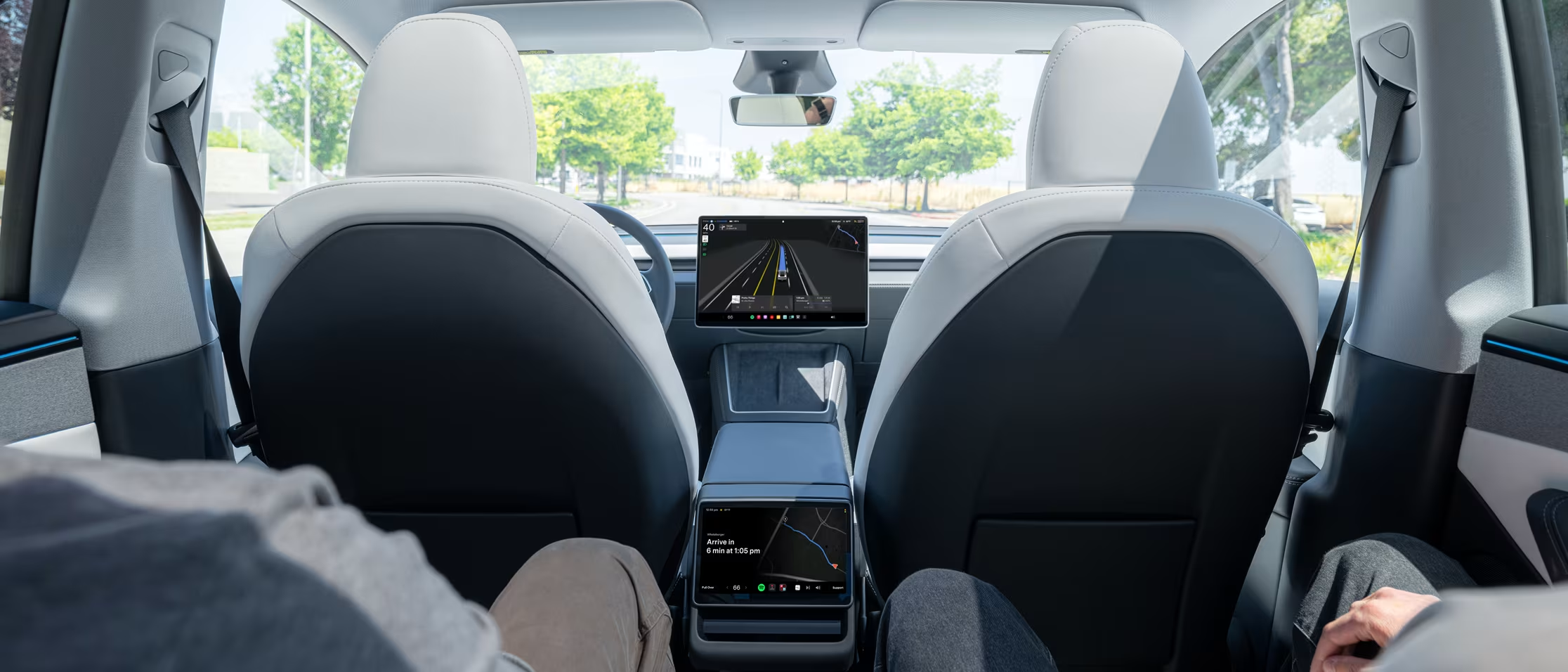
The clash between Cybercab and Lunar represents more than a design contest; it's a fundamental divergence in business strategy. Tesla aims to deploy its robotaxis within its own integrated network, leveraging its vast fleet data and proprietary FSD software. Lucid, traditionally a hardware engineering powerhouse, appears to be adopting a more collaborative approach, potentially licensing its vehicle platform to third-party autonomy operators or building its own service with specialized partners. This race will test whether a holistic, in-house ecosystem or a best-in-class partnership model proves more effective in achieving scalable, reliable autonomy.
For the broader electric vehicle industry, this duel accelerates the timeline for commercial robotaxi services. The involvement of a serious competitor like Lucid validates the market's potential and pressures other legacy automakers and tech companies to accelerate their own programs. It also highlights a key industry pivot: the future value is increasingly seen in the software and services layer atop the vehicle, transforming the car from a product into a node in a continuous mobility network.
Implications for Tesla and the Road Ahead
For Tesla, Lucid's Lunar is a clear signal that its Robotaxi ambitions will face formidable, well-funded competition. While Tesla boasts a significant head start in data collection and real-world AI training miles, Lucid's focus on a premium, spacious passenger pod could appeal to a lucrative segment of the market. Investors should watch for increased R&D disclosures and partnership announcements from both companies as they race toward regulatory approval. For potential Tesla owners and network participants, this competition is ultimately beneficial—it will drive faster innovation, potentially lower ride-hailing costs, and accelerate the technological refinements needed to bring fully autonomous vehicles safely to city streets worldwide.