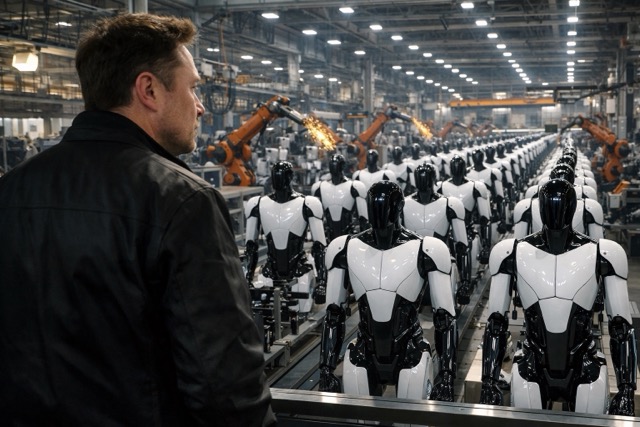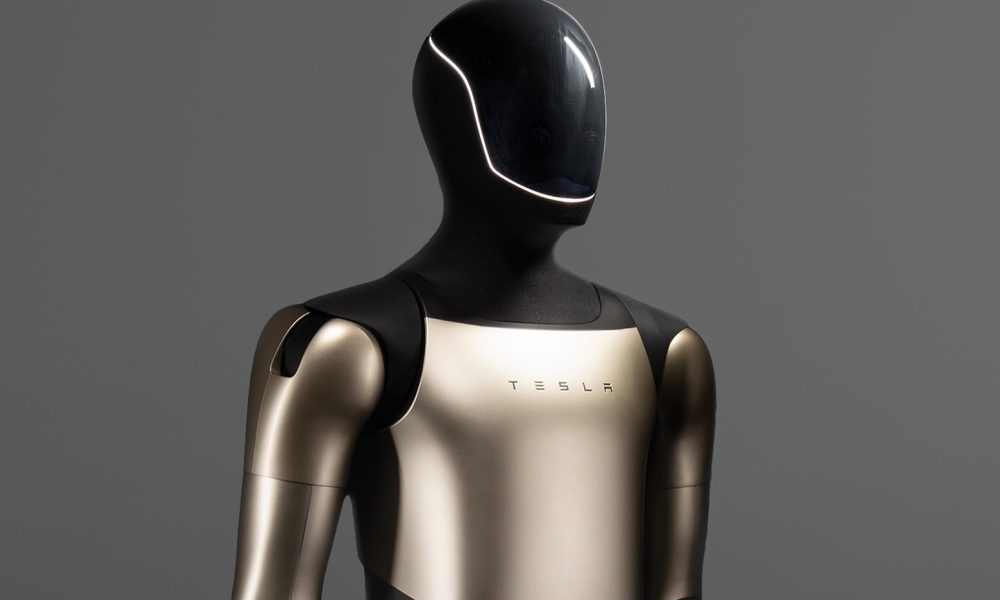
The race to power the next generation of automation is heating up, and a key player in the global battery supply chain is placing a major bet on humanoid robots. According to a new report, LG Energy Solution is actively pursuing a battery supply deal specifically for Tesla's Optimus project and other humanoid platforms, signaling a significant vote of confidence in a market poised to move from labs to factories.
LG Energy Solution Targets the Humanoid Frontier
While LGES is already a pivotal supplier for the automotive industry, its targeted push into humanoid robotics represents a strategic expansion. The company is reportedly developing a new, compact cylindrical battery cell tailored for bipedal robots, a form factor that demands high energy density within a small, lightweight package. This move positions LGES at the forefront of a nascent but explosively growing sector, aiming to become the power source of choice for robots designed to work in human environments. The report suggests LGES is in talks with multiple robotics firms, but securing a contract with Tesla, the most prominent player, would be a landmark achievement.
Why Optimus is a Battery Game-Changer
Tesla's Optimus project is not merely a side endeavor; CEO Elon Musk has repeatedly stated it could become the company's most important product long-term, with a potential market value exceeding that of its automotive business. For Optimus to achieve its promise of performing repetitive or dangerous tasks in factories, homes, and beyond, its battery system must be exceptionally reliable, long-lasting, and safe. The technical requirements—including unique discharge patterns, thermal management in a confined body, and the need for thousands of units—present a distinct challenge from EV batteries. A partnership with a manufacturing titan like LGES would provide Tesla with the specialized scale and R&D muscle needed to make Optimus commercially viable.
The implications of this potential deal extend far beyond a single supplier contract. It validates the entire humanoid robotics timeline, suggesting that industry insiders believe widespread deployment is closer than many think. Furthermore, it highlights how Tesla's vertical integration strategy in battery technology for its vehicles creates a formidable foundation for adjacent innovations. The company's deep experience with 4680 cells and battery management systems gives it a critical head start in optimizing power units for its robots, making it an attractive partner for a supplier like LGES seeking to refine its product.
Powering the Automated Future
For Tesla investors and owners, this development underscores the interconnected nature of the company's "master plans." Success in robotics amplifies Tesla's overall energy and AI narrative. A reliable, high-volume battery supply chain for Optimus would de-risk production and help control costs, directly impacting the robot's eventual price point and adoption rate. For the broader EV and tech ecosystem, LGES's pivot indicates where major capital and innovation will flow next, potentially creating new benchmarks for battery safety and energy density that could eventually trickle back to electric vehicles. The battle to power our cars is now decisively expanding to power the robots that will work alongside us.