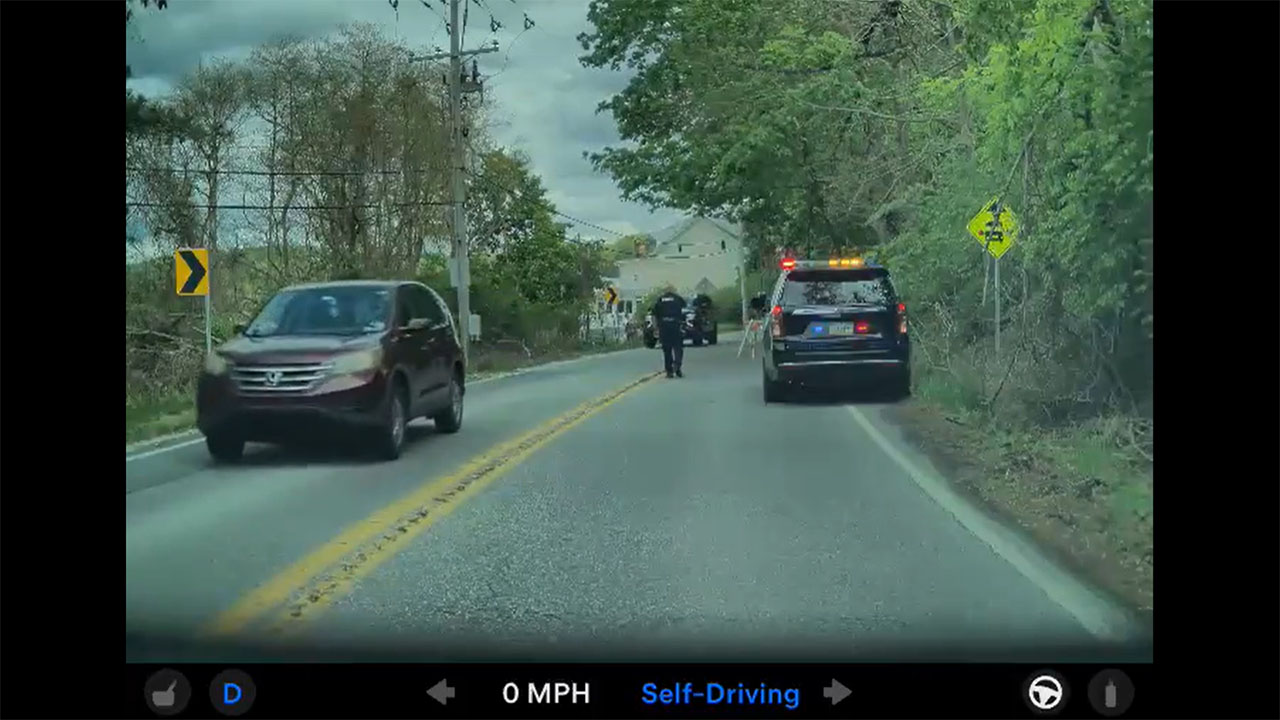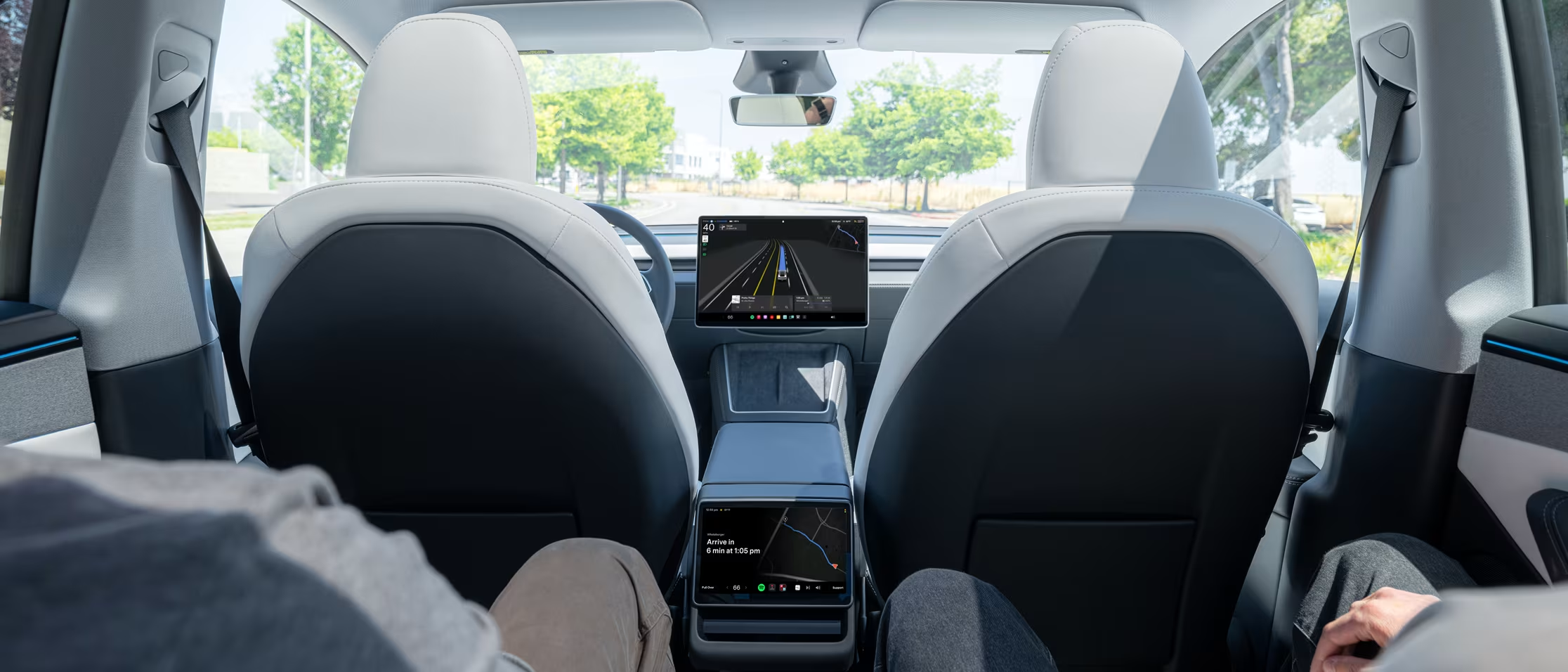
In a move that directly ties insurance costs to autonomous driving performance, insurtech disruptor Lemonade has launched a pioneering program for Tesla owners in Oregon. Announced by Lemonade co-founder Shai Wininger on the social media platform X, this initiative offers a usage-based insurance product specifically designed for drivers using Tesla's Full Self-Driving (FSD) technology. This launch marks a significant step toward a future where EV insurance is dynamically priced based on real-world automation data, potentially rewarding safe system engagement with lower premiums.
How the FSD-Centric Insurance Model Works
Unlike traditional auto insurance or even existing telematics programs that monitor human driving behavior, Lemonade's new offering appears to focus primarily on the performance of Tesla's FSD software. While specific pricing algorithms remain proprietary, the model likely involves analyzing data related to FSD engagement, such as how often the system is in operation and, crucially, how many interventions or disengagements are required by the driver. This creates a direct financial incentive for owners to use the advanced driver-assistance system under optimal conditions, effectively making the autonomous software a central factor in determining risk assessment and monthly costs.
The Broader Push for Data-Driven EV Insurance
Lemonade's foray into Tesla-specific coverage is part of a larger industry trend seeking to modernize insurance for electric vehicles. Standard insurers have historically struggled to accurately price policies for high-tech EVs due to their unique repair costs and rapidly evolving capabilities. By leveraging the rich vehicle data that Tesla's connected cars provide, companies like Lemonade aim to create more tailored and fair products. This Oregon pilot serves as a real-world test bed for a model that could become standard, aligning insurance more closely with the actual, technology-mediated risk profile of the driver and vehicle combination.
The success of this program hinges on several factors, including regulatory acceptance and the ability to accurately correlate FSD usage with reduced claim frequency. It also raises questions about data privacy and the precise metrics used for evaluation. Nevertheless, the initiative underscores a growing recognition that the electric vehicle revolution necessitates a parallel overhaul in ancillary services, with insurance being a prime candidate for innovation driven by real-time data analytics.
For Tesla owners and investors, this development carries meaningful implications. Owners in Oregon now have access to a potentially cheaper insurance alternative that directly rewards proficient use of a premium feature they've already purchased. A wider rollout could enhance the value proposition of the FSD package, transforming it from a costly software upgrade into a tool for ongoing savings. For investors, it signals growing third-party validation of Tesla's data-rich ecosystem and its potential to spawn new business verticals, while also applying subtle market pressure for wider, more reliable FSD deployment to unlock these financial benefits for consumers.