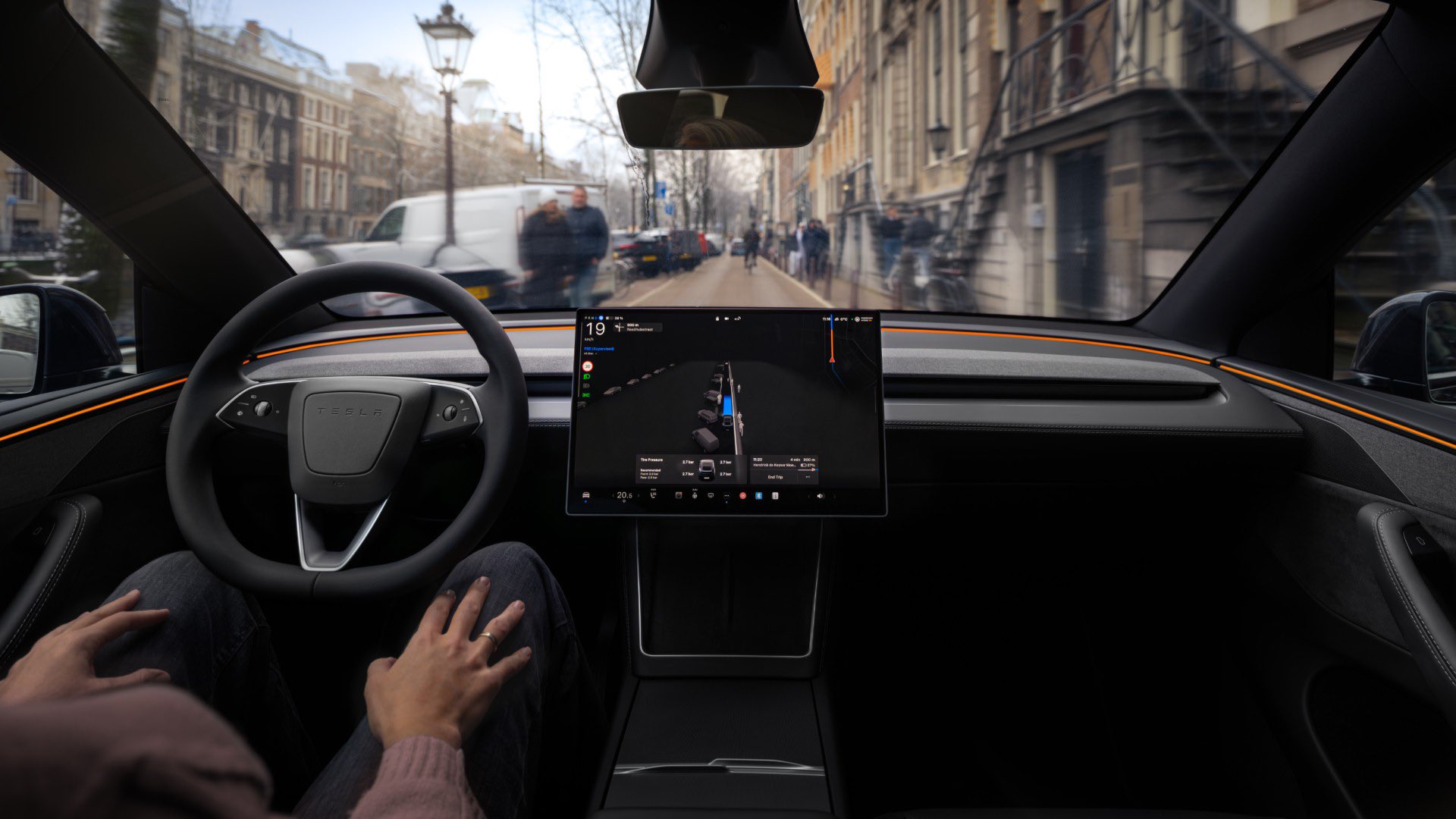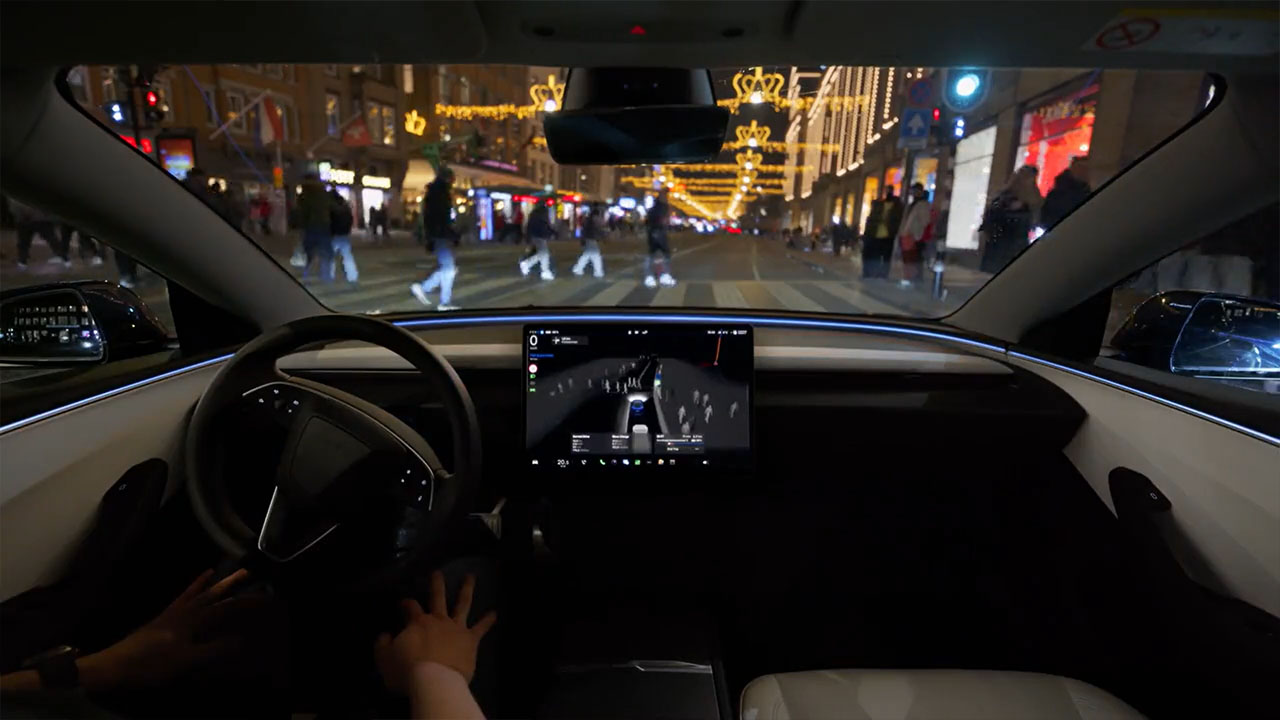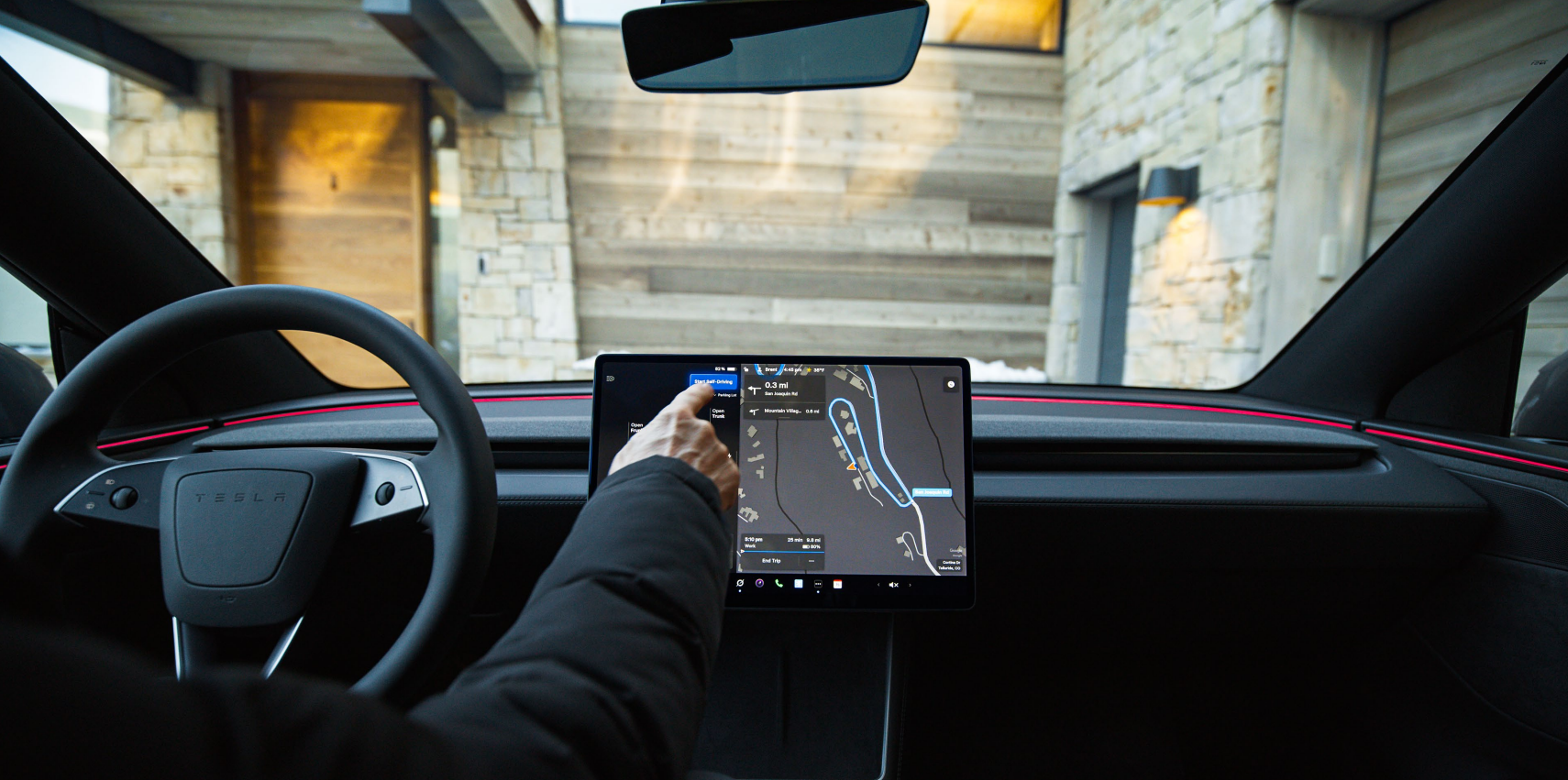
Italy could be the next European battleground for Tesla’s Full Self-Driving (FSD) Supervised technology, as a prominent Italian lawmaker is now publicly pushing for accelerated regulatory approval. This political pressure follows the landmark green light given to Tesla’s advanced driver-assistance system in another EU nation, signaling a potential shift in the bloc’s cautious stance toward autonomous driving. For Tesla owners and investors, this development represents a critical step toward unlocking one of the company’s most valuable—and long-promised—features on European roads.
Political Momentum Builds for FSD in Italy
Italian Senator Giovanni Satta has formally called on the government to fast-track the approval process for Tesla’s FSD Supervised system. In a recent parliamentary question, Satta argued that Italy cannot afford to lag behind other European countries in embracing cutting-edge automotive technology. He specifically referenced the recent approval of FSD in Germany, which became the first EU member state to authorize the system on public roads. The senator’s push highlights a growing recognition among European policymakers that regulatory delays could stifle innovation and economic competitiveness in the EV sector. Italy, home to major automotive heritage, risks being left out of the next revolution in mobility if it does not act swiftly.
What FSD Approval Means for Tesla’s European Strategy
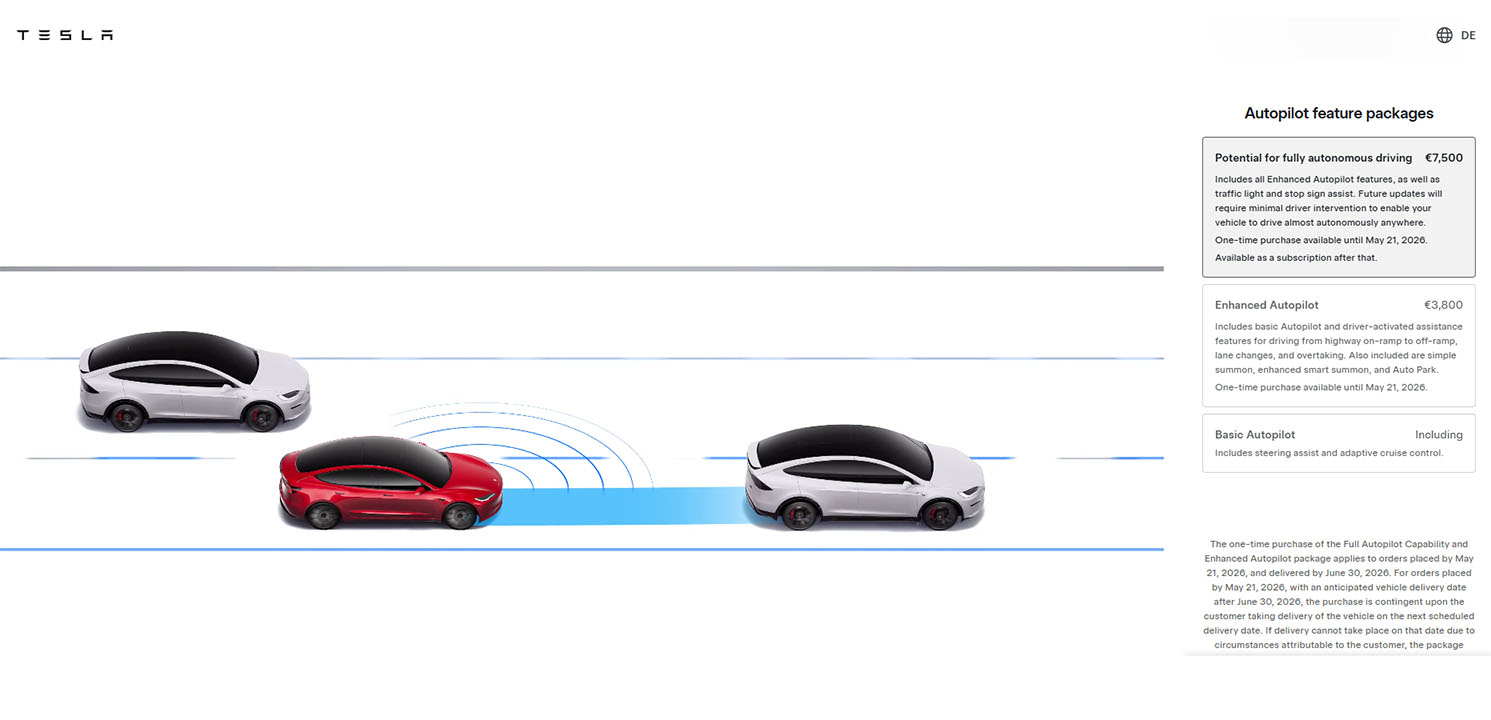
Securing approval in Italy would be a significant milestone for Tesla’s broader European expansion. The European Union currently lacks a unified framework for autonomous driving, forcing Tesla to negotiate with each member state individually. Italy’s market is particularly strategic due to its high population density, complex urban environments, and growing electric vehicle adoption. If approved, Italian Tesla owners could access features like Autosteer on city streets and Traffic Light and Stop Sign Control—capabilities currently limited to North America and, recently, Germany. For investors, each new country approval directly impacts the potential revenue stream from FSD subscriptions, which Tesla has priced at €7,500 in some European markets. The Italian push also pressures other EU nations like France and Spain to accelerate their own regulatory reviews.
Challenges and the Road Ahead
Despite the political tailwind, Tesla still faces significant hurdles in Italy. The country’s regulatory framework for autonomous driving remains fragmented, and local transport authorities are known for their cautious approach to new technologies. Additionally, Tesla must demonstrate that FSD Supervised meets Italy’s specific road infrastructure standards, including variable traffic signs, narrow historical streets, and unique roundabout designs. The senator’s intervention, however, could compel the Italian Ministry of Transport to initiate formal consultations with Tesla and the European Commission. For Tesla owners in Italy, this means a potential timeline of 6 to 12 months for approval, assuming no major regulatory pushback. The company has already begun mapping European roads more aggressively, laying the groundwork for a broader rollout.
For Tesla investors and owners, the Italian lawmaker’s push is a clear signal that the regulatory logjam in Europe is beginning to crack. Each approval not only validates Tesla’s technology but also expands the addressable market for its most profitable software product. Italian Tesla owners should monitor local transport ministry announcements closely, as a positive decision could unlock the full potential of their vehicles. Meanwhile, investors should view this as a leading indicator of broader European adoption—a development that could significantly boost Tesla’s recurring revenue and strengthen its competitive moat in the global EV market.