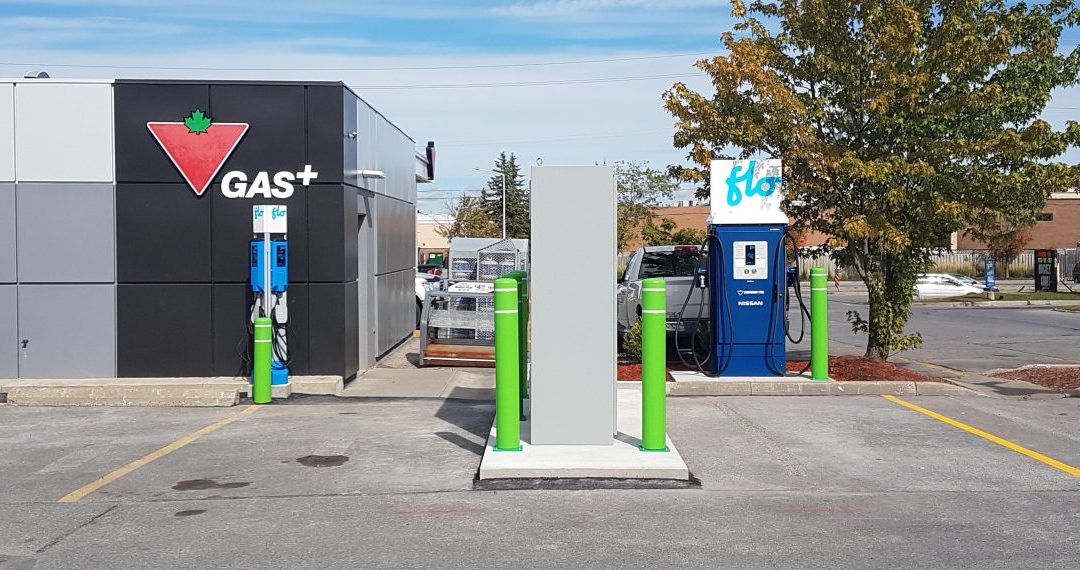
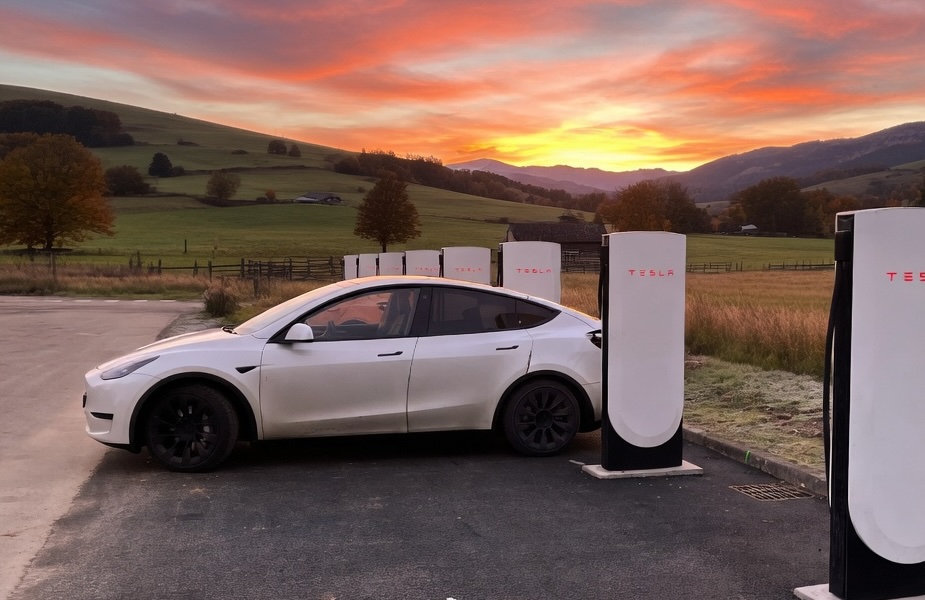
For European electric vehicle drivers, the choice at a highway rest stop has become a defining moment of the modern road trip: the familiar red-and-white Tesla Supercharger stall or the sleek, blue Ionity pillar often situated just across the parking lot. As of 2026, both networks represent the pinnacle of high-power charging infrastructure, frequently co-located on major transit corridors yet offering profoundly different experiences. This side-by-side availability presents a clear, real-world comparison of philosophy, economics, and user experience in the fast-evolving EV landscape.
Network Access and Vehicle Compatibility
The most fundamental divergence lies in access. The Tesla Supercharger network, once an exclusive ecosystem, is now broadly open to non-Tesla EVs across Europe, though often at a higher per-kWh rate. Tesla owners enjoy seamless integration via the vehicle's navigation and automatic billing. For drivers of other brands, the process requires the Tesla app. The Ionity consortium, a joint venture by legacy automakers including BMW, Ford, Hyundai, Mercedes-Benz, and Volkswagen, was designed from the outset as a multi-brand solution. Compatibility is universal for CCS-equipped vehicles, but payment relies on a patchwork of methods—RFID cards from various mobility service providers, specific automaker apps, or direct credit card payment at the pillar, with consistency varying by location.
The Cost Equation: A Stark Financial Divide
In 2026, pricing remains the most dramatic differentiator. Ionity has historically been among the continent's most expensive public charging options, with ad-hoc rates still hovering around €0.85 per kWh for drivers without a subscription plan. Bundled rates through partner automakers (like Ford's BlueOval Charge Network or Mercedes me Charge) can significantly reduce this cost. Conversely, Tesla employs a dynamic, two-tiered pricing model. Tesla owners benefit from lower, member pricing, often between €0.40 - €0.65 per kWh, while non-Tesla drivers pay a premium that can approach Ionity's levels. The financial calculus for any driver now hinges entirely on their vehicle brand and chosen charging membership subscriptions.
Experience, Reliability, and Strategic Implications
Beyond price, the user experience tells a deeper story. Tesla's system is renowned for its reliability, "plug-and-charge" simplicity for its own vehicles, and strategic site locations often with more stalls per location. Ionity stations, while powerful and expanding, can suffer from complex payment interfaces and occasional maintenance issues. For Tesla, opening its network is a bold revenue play that monetizes its infrastructure lead. For Ionity's backers, the network is a critical, though costly, lifeline to remain competitive in the long-distance EV market they were late to dominate.
For Tesla owners and investors, the comparison reinforces a core competitive advantage: a superior, integrated charging experience at a lower cost, which continues to drive vehicle sales and brand loyalty. The additional revenue from non-Tesla charging provides a high-margin income stream that directly funds further network expansion. For investors, the Supercharger network's evolution from a cost center to a profitable, open-service platform is a key financial milestone. For all EV owners, this fierce competition is accelerating infrastructure growth and innovation, ultimately benefiting the entire transition to sustainable transport. The choice at the rest stop is more than a personal convenience—it's a snapshot of an industry-wide battle for the future of refueling.