For millions of renters and those in multi-unit dwellings, the dream of convenient, affordable home charging for their electric vehicle can seem frustratingly out of reach. While single-family homeowners can simply install a Level 2 wall connector, tenants face a maze of landlord permissions, electrical limitations, and logistical hurdles. Yet, as one Tesla owner in a rented townhouse recently proved, a practical and safe solution is not only possible but can be surprisingly straightforward with the right approach and preparation.
The Rental Charging Conundrum: Permission and Infrastructure
The primary barrier for any renter is securing explicit permission from the property owner or management company. This is non-negotiable for any permanent or semi-permanent modification. The second, equally critical hurdle is assessing the available electrical infrastructure. In the case of the townhouse resident, a key discovery was the presence of a NEMA 14-30 dryer outlet in the garage. This existing 240-volt circuit became the cornerstone of the solution, as it eliminated the need for a costly new electrical run from the main panel. For renters, identifying such pre-existing high-power outlets—commonly for dryers, ovens, or welders—is the first investigative step.
The Adapter-Based Solution: Flexible and Reversible
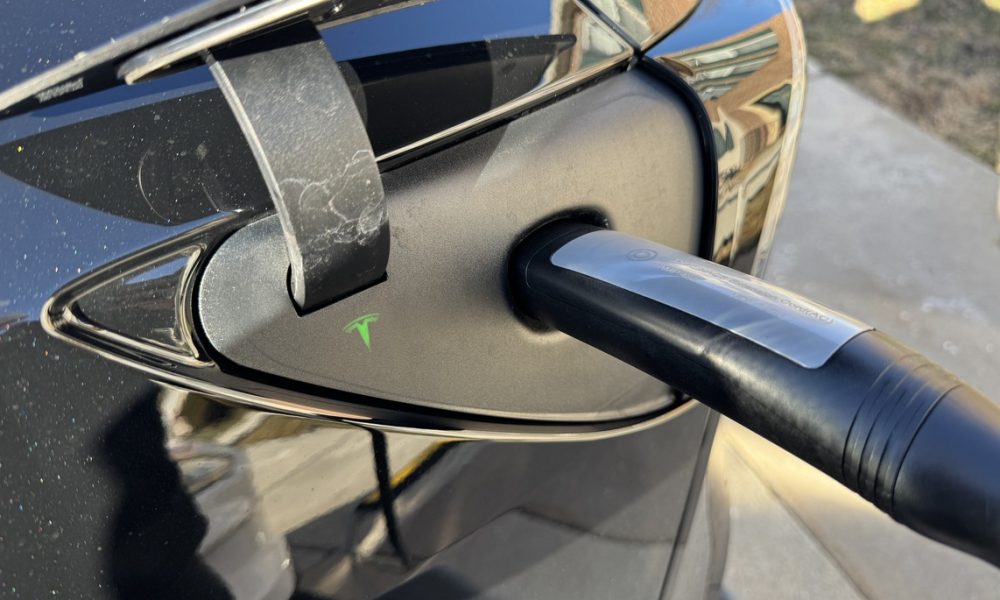
Instead of pushing for a hardwired Tesla Wall Connector, the owner opted for a flexible, reversible setup centered on the mobile connector that comes with the vehicle. By purchasing a NEMA 14-30 adapter from Tesla for approximately $35, they could safely plug into the dryer outlet. This method provides a substantial charging speed upgrade over a standard 120-volt household outlet, delivering about 22-24 miles of range per hour of charge. Crucially, the entire setup can be unplugged and removed without a trace, a significant factor in gaining landlord approval and maintaining security deposit integrity.
It is vital to ensure the circuit is dedicated solely to the EV during charging, meaning the dryer cannot be used simultaneously. The owner implemented a simple communication routine with household members to avoid overloading the circuit. For those without a suitable 240V outlet, a compelling alternative is to negotiate a Level 1 charging arrangement using a standard outlet, possibly with an agreement to cover the incremental electricity cost. While slower, adding 3-5 miles of range per hour is often sufficient for average daily commutes.
Implications for Tesla Owners and the EV Market
This case study underscores that the EV transition must accommodate diverse living situations. For current and prospective Tesla owners who rent, it demonstrates that proactive assessment and a cooperative proposal to a landlord can unlock home charging benefits. For investors, it highlights a growing market for flexible, tenant-friendly charging products and the importance of educating property managers on the increasing demand for EV-ready rentals. As adoption accelerates, properties with even basic EV charging capabilities may see a competitive advantage in the rental market.
Ultimately, the path to electrification is paved with practical solutions. By leveraging existing infrastructure, using the mobile connector's adaptable design, and prioritizing clear communication with property owners, renters can successfully integrate electric vehicle ownership into their lives. This not only enhances convenience for the individual driver but also normalizes EV support within the broader housing ecosystem.