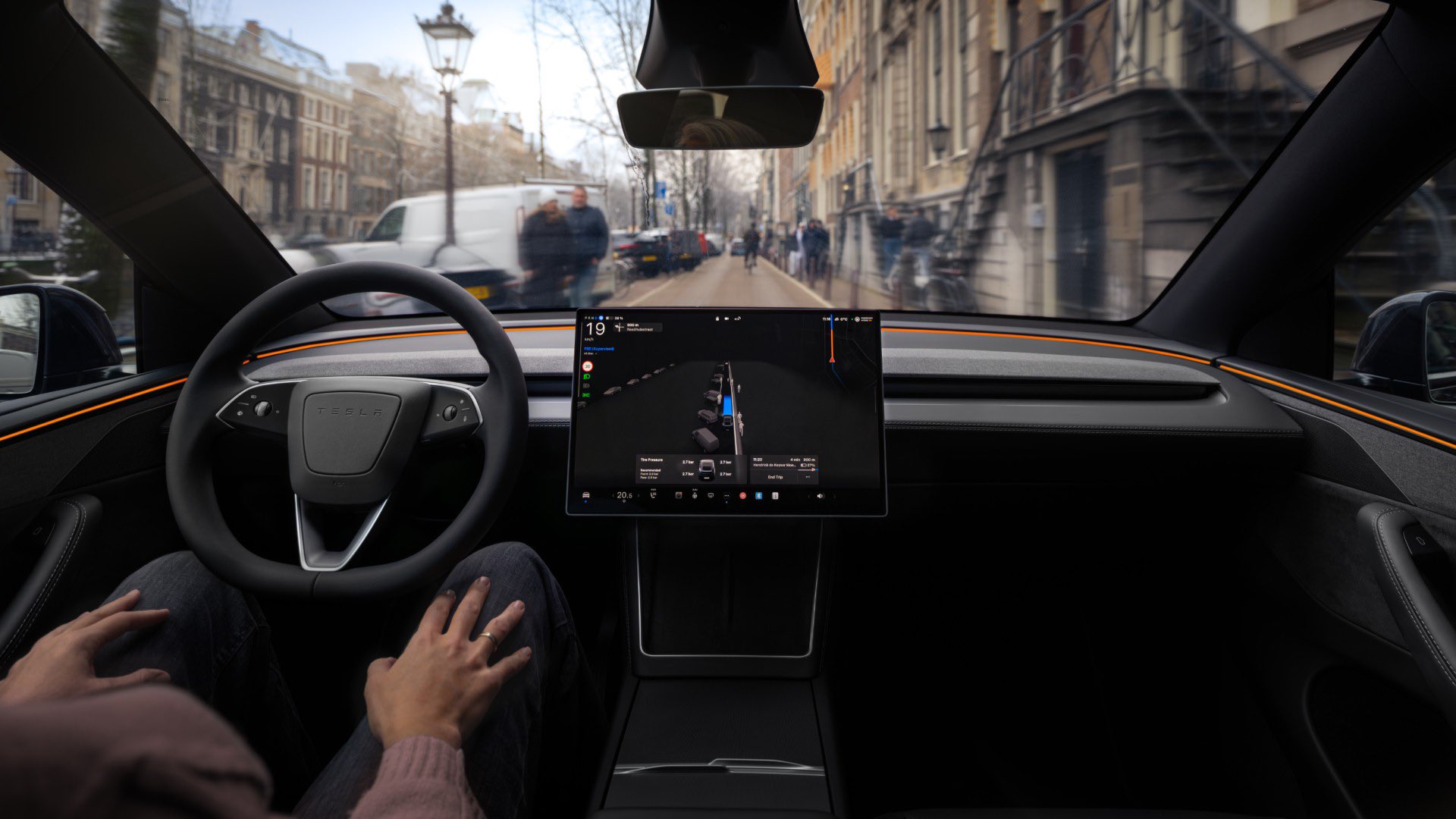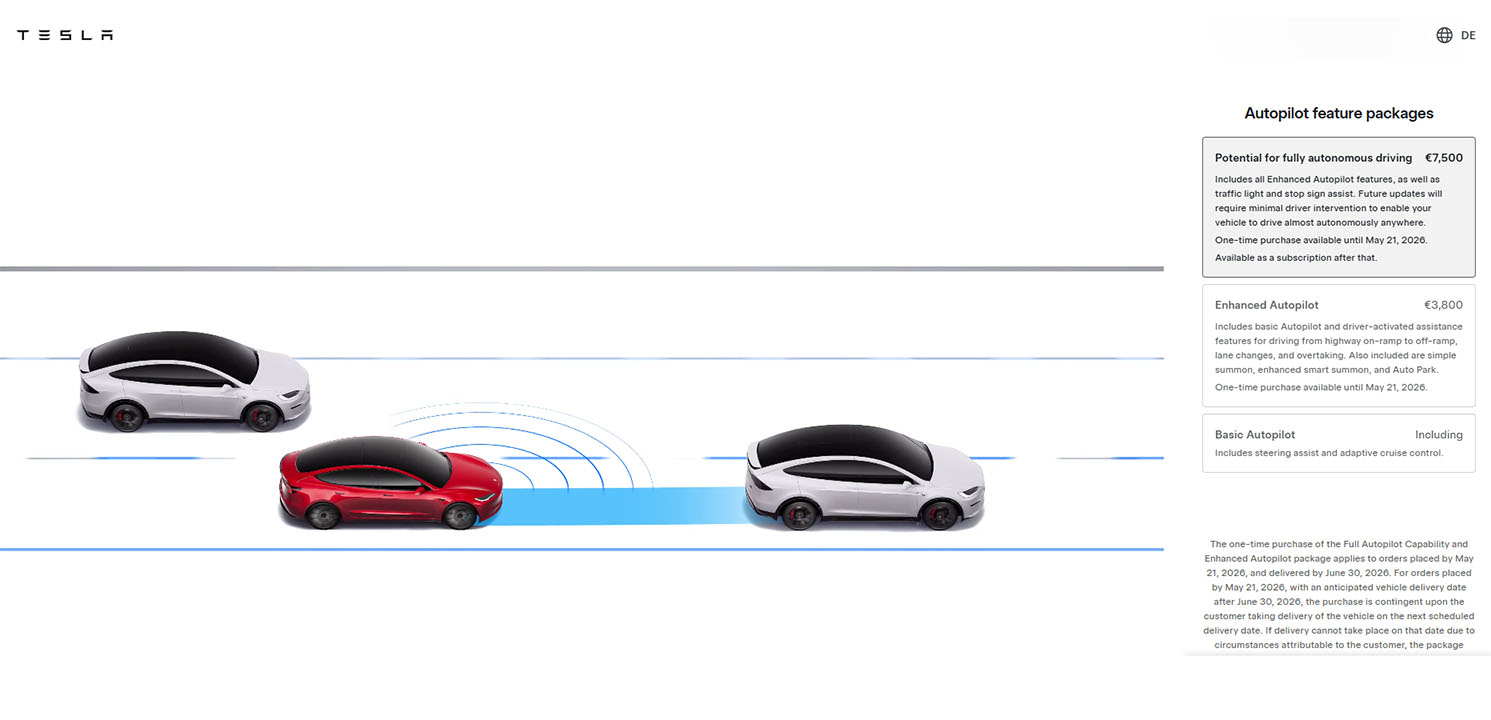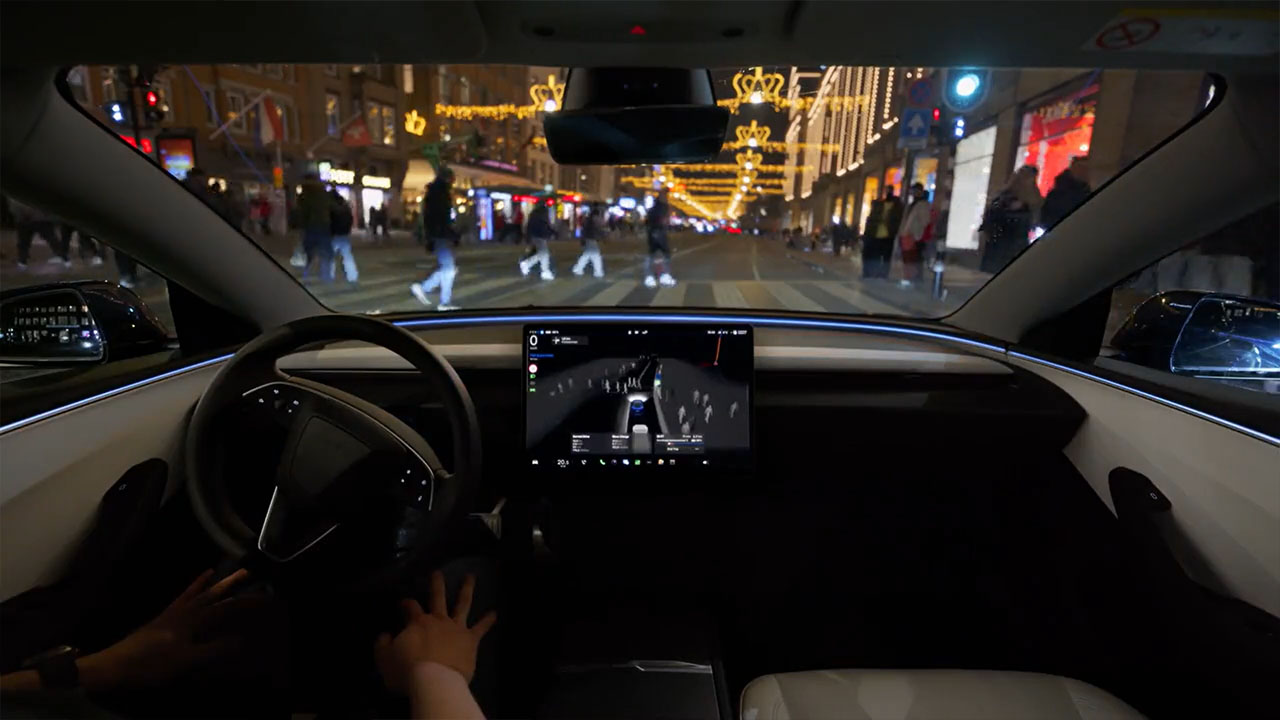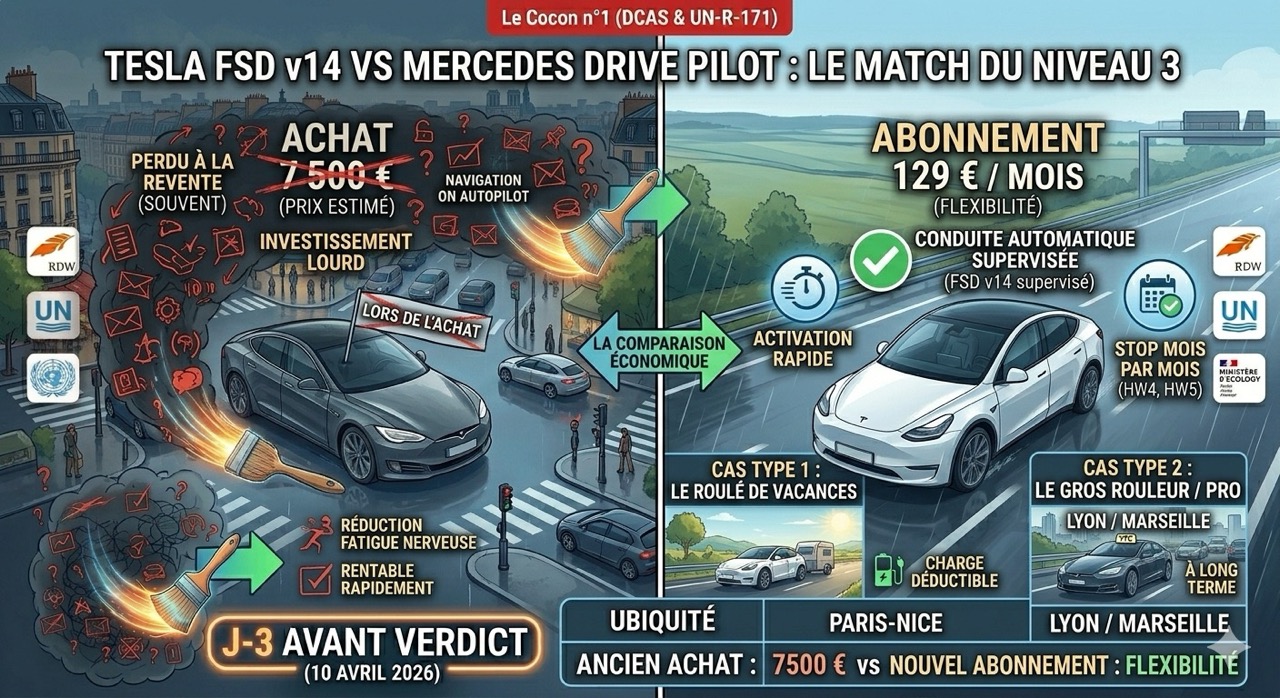
For years, the one-time purchase of Tesla's Full Self-Driving (FSD) capability was a major financial decision for owners. That era is now definitively over. As of February 14, 2026, Tesla ceased the permanent sale of the FSD package globally, shifting exclusively to a subscription model. In France, this places a recurring monthly choice in front of drivers: is the premium €129 per month subscription a worthwhile investment for the evolving promise of autonomous driving, or a costly luxury for most?
The New Reality: Subscription-Only Access
This strategic pivot by Tesla transforms FSD from a capitalized asset into an operational expense. The European subscription tier, priced between €99 and €129 monthly, replaces the former upfront cost of several thousand euros. For the French driver, this fundamentally alters the calculus. It lowers the barrier to entry, allowing owners to test the system's capabilities for a single long road trip or a busy month without a five-figure commitment. However, it also introduces a perpetual cost that, over several years of ownership, could far exceed the old purchase price. This model ensures Tesla a recurring revenue stream and tightly couples advanced software development with continuous customer payments.
Analyzing Value for the French Driving Context
The utility of FSD is heavily dependent on driving environment. In France, with its extensive autoroute network and frequent long-distance travel between cities, features like Navigate on Autopilot and Auto Lane Change can significantly reduce driver fatigue. The system's performance on complex urban routes in cities like Paris or Lyon, however, remains a point of consideration. The subscription allows for situational use—activated for a summer holiday drive to the Côte d'Azur, then paused for months of purely local commuting. This flexibility is its greatest strength. Yet, at over €1,500 annually, subscribers must honestly assess how often they encounter driving scenarios where the system provides genuine, stress-reducing value versus where it requires heightened supervision.
Beyond convenience, the analysis must include the technology's trajectory. Tesla's FSD is not static; it evolves through continuous software updates. The subscription fee essentially funds this ongoing development and grants access to incremental improvements. For the tech-adopter, paying for the cutting-edge experience and contributing to the development of autonomous driving has intrinsic value. For the pragmatic driver focused solely on today's functionality, the cost may be harder to justify until the system achieves a broader operational design domain with less frequent driver intervention.
Implications for Tesla Owners and Investors
For current and prospective Tesla owners in France, the decision matrix is clear but personal. The subscription model demands a usage-based assessment. High-mileage drivers, especially those covering long corridors on controlled-access highways, will extract the most value. Urban dwellers with shorter, complex commutes may find the cost difficult to reconcile with current capabilities. Crucially, the end of FSD purchases may influence the resale value of older vehicles that have the package permanently included, potentially making them more attractive on the secondary market.
From an investment perspective, Tesla's move solidifies its identity as a software and services company. Locking in recurring subscription revenue provides more predictable, high-margin income streams alongside vehicle sales. This financial stability is attractive to shareholders, but its success hinges on Tesla consistently delivering tangible software advancements that retain and grow the subscriber base. The company's ability to refine FSD's performance specifically for European road regulations and driving styles will be paramount to its adoption success in the French market and beyond.