For years, a significant perk has sweetened the deal for loyal Tesla owners upgrading their vehicles: the ability to transfer their purchased Full Self-Driving (FSD) capability to a new car at no additional cost. That era is now definitively closing. Tesla has begun dispatching targeted SMS and email alerts to owners in the United States and Canada, delivering a firm, final deadline for the free FSD transfer program. This move signals a strategic shift as Tesla transitions FSD from a one-time purchase to an ongoing subscription service, directly impacting customer calculus on vehicle upgrades and software investment.
The Final Countdown: A Hard Deadline Emerges
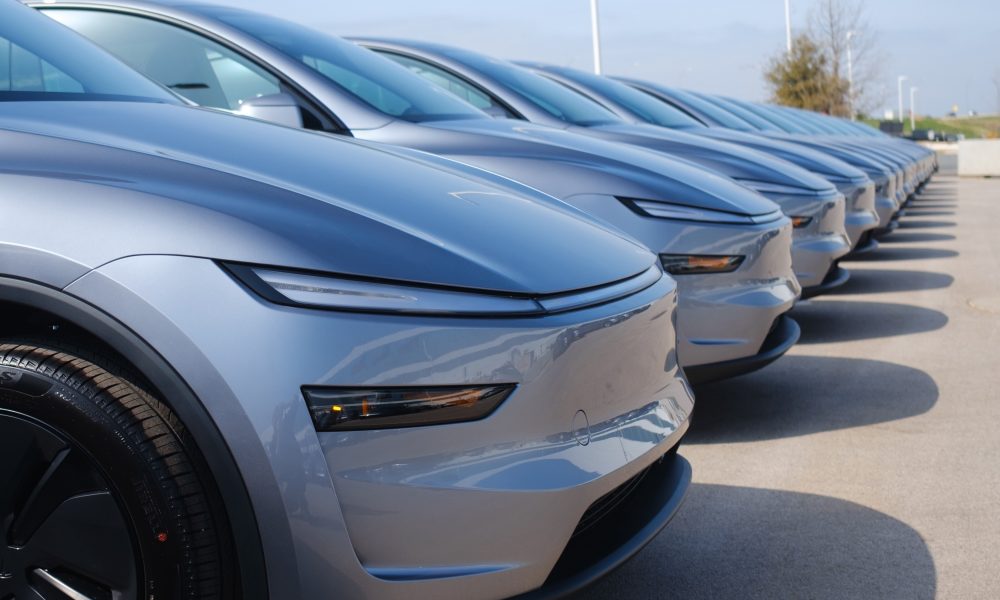
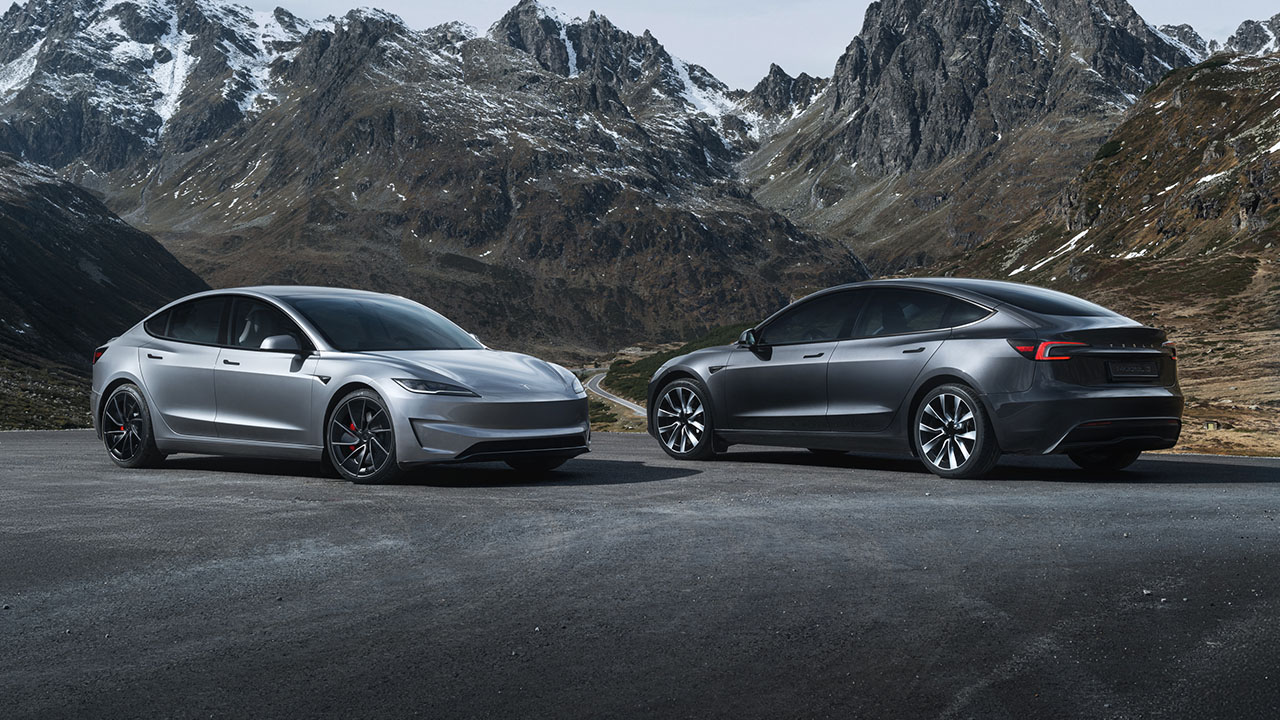
While Tesla has floated end dates for this promotion before, the current communication carries a new tone of finality. The company has explicitly stated that the window to complete a free FSD transfer will slam shut on March 31. To qualify, customers must take delivery of a new Tesla vehicle and have their existing FSD package removed from their current car by that date. This creates a narrow, urgent timeline for owners who have been contemplating an upgrade but were waiting for the right incentive. The promotion applies to inventory, new, and demo vehicles, but crucially excludes used cars.
Strategic Shift from Asset to Service
The termination of the transfer program is not an isolated decision; it is a cornerstone of Tesla's evolving software monetization strategy. By ending free transfers, Tesla is deliberately steering customers toward its FSD subscription model, priced at $199 per month in the U.S. This transition reframes FSD from a capitalized asset that retains value with the owner to a recurring revenue stream for Tesla. The move protects the company's lucrative software margins and simplifies the ownership experience, but it also fundamentally changes the value proposition for the buyer. The $12,000 to $15,000 one-time purchase now comes with the explicit understanding that the investment is tied to a single vehicle.
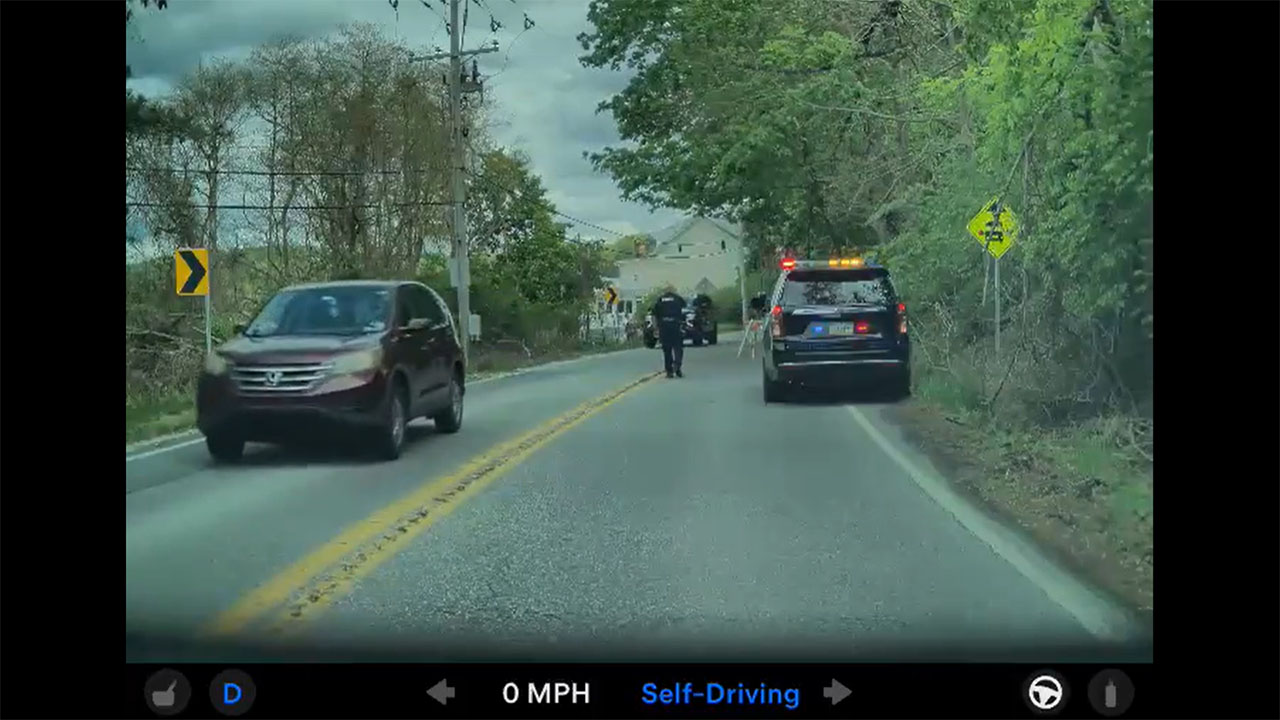
This policy shift also reflects Tesla's confidence in the maturity and appeal of its FSD product. With the wide rollout of FSD Beta (Supervised) and continued advancements, the company appears to believe the software now holds sufficient standalone value to drive subscription uptake without needing the transfer incentive as a crutch. It's a bold bet on customer loyalty and the undeniable allure of the technology itself.
Implications for Owners and the EV Market
For current Tesla owners, the immediate implication is clear: the clock is ticking on a major financial benefit. Anyone who purchased FSD outright and plans to upgrade their vehicle in the near future faces a pressing decision. The end of the program effectively increases the cost of switching to a new Tesla for this segment of owners, potentially lengthening vehicle holding periods or pushing some toward the subscription. For investors, the change is a positive signal toward bolstering recurring software revenue, a high-margin segment critical to Tesla's long-term valuation. It also may help stabilize the resale value of used Teslas without FSD, as the software will no longer be as freely mobile from old cars to new.
Ultimately, this marks a maturation point for the electric vehicle giant. As Tesla's technology and market position solidify, the company is moving away from promotional carrots and toward a standardized, service-oriented software ecosystem. The message to its customer base is unequivocal: the future of FSD is a service, not a transferable asset.