In a move that has electrified its customer base, Tesla has announced a limited-time offer allowing a free transfer of its Full Self-Driving (FSD) capability to a new vehicle, but only for deliveries completed before March 31. While marketed as a generous incentive saving buyers thousands, industry analysts see a strategic masterstroke aimed at clearing specific inventory and navigating a pivotal regulatory deadline.
The Offer: A Lucrative but Limited-Time Deal
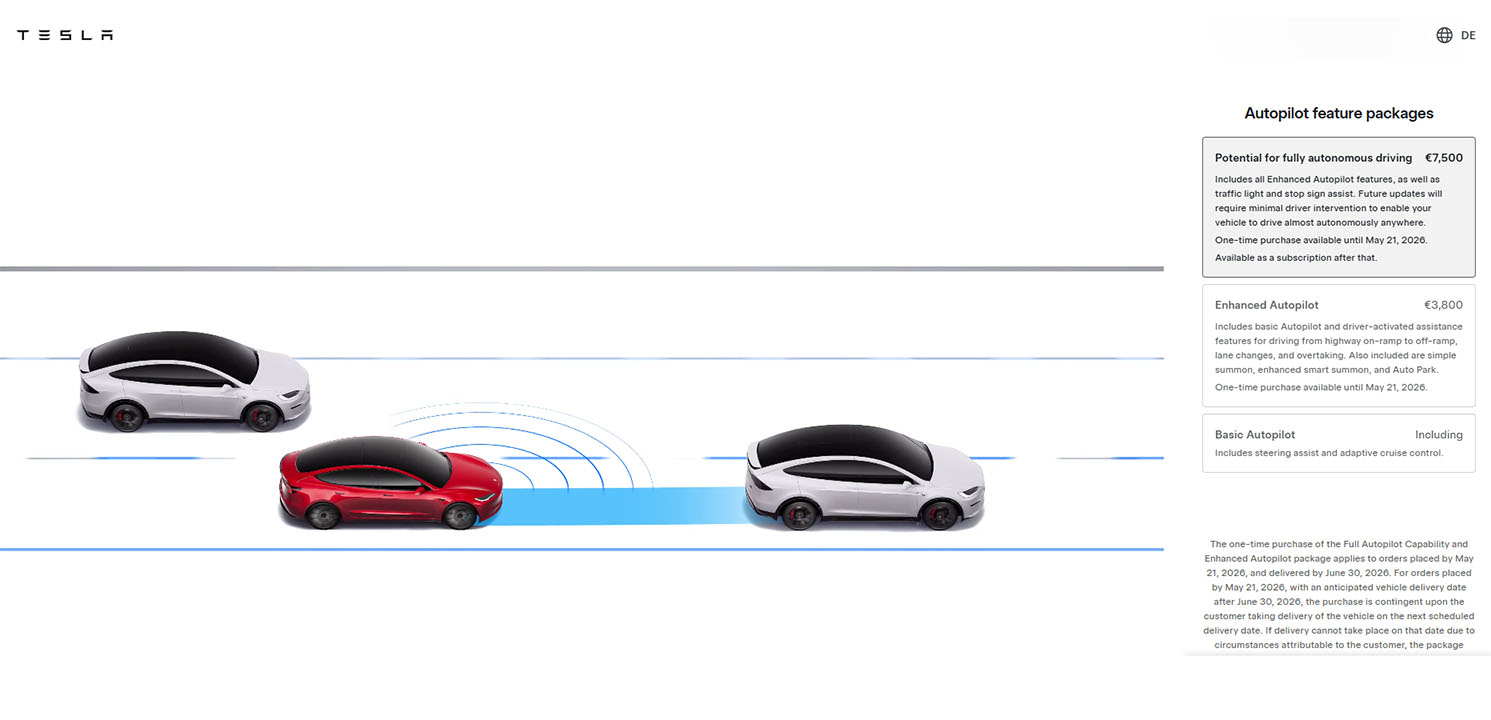
Tesla's promotion is straightforward: any customer who orders and takes delivery of a new Tesla by the end of this month can move their purchased FSD software package—valued at $12,000 or €7,500—from their current vehicle to the new one at no cost. This bypasses the software's traditional tether to a single car, a major pain point for loyal owners. The offer creates a powerful incentive for upgrades, particularly for those who invested early in FSD but are driving older models. For Tesla, it's a potent tool to accelerate end-of-quarter deliveries, a period always critical for the company's financials.
The Strategy: A "Technological Clearance" Before a Regulatory Shift
Beneath the surface of customer savings lies a more calculated objective. This push is widely interpreted as a "technological stock clearance" for vehicles equipped with the current Hardware 3 (HW3) and Hardware 4 (HW4) suites. The key date is April 10, when new, stringent European vehicle homologation rules are set to take effect. These regulations are expected to formalize requirements for advanced driver-assistance systems, potentially mandating more robust hardware or software validation. By aggressively moving existing inventory before this deadline, Tesla may be aiming to simplify its production and regulatory compliance pathway for subsequent vehicles, possibly those built on its next-generation platform.
This maneuver allows Tesla to achieve several goals simultaneously. It converts potential regulatory complexity into a sales surge, rewards and retains its most dedicated software-paying customers, and streamlines its inventory ahead of a known policy inflection point. The campaign effectively uses its valuable FSD software as a lever to manage hardware transition timing, turning a looming administrative hurdle into a quarter-end revenue opportunity.
Implications for Owners and the Broader EV Market
For current Tesla owners, the decision is urgent and financially significant. Those with FSD on an older car have a narrow window to capture its value in a new purchase, a rare concession from the company. For investors, the campaign underscores Tesla's unique ability to use software as a flexible tool for demand generation and inventory management, a tactic unavailable to legacy automakers. It also highlights the increasing interplay between EV innovation and regulatory landscapes, where timing product cycles to policy changes becomes a competitive advantage. As the March 31 deadline approaches, this offer reveals a Tesla in transition, strategically positioning its fleet and its customers for the next phase of automated driving.