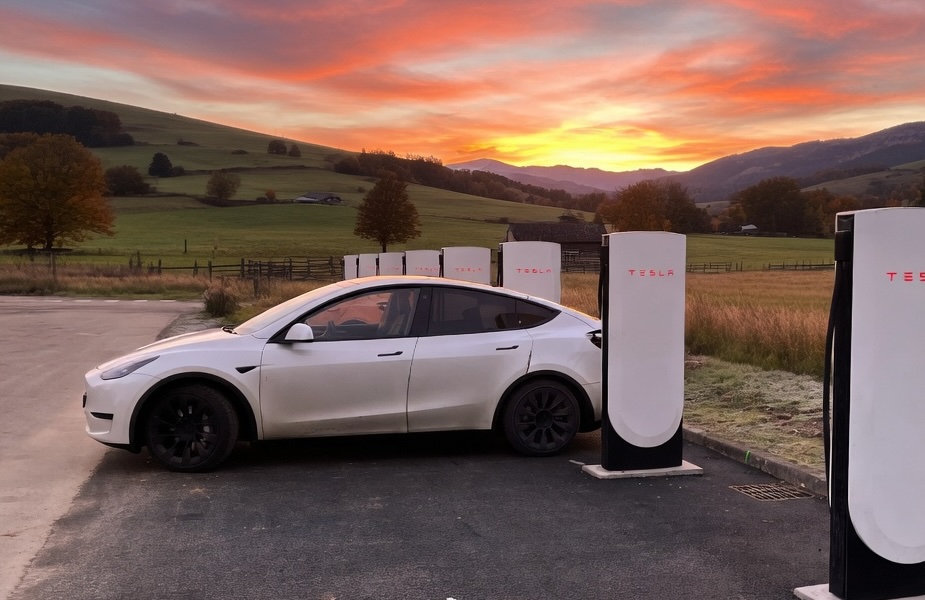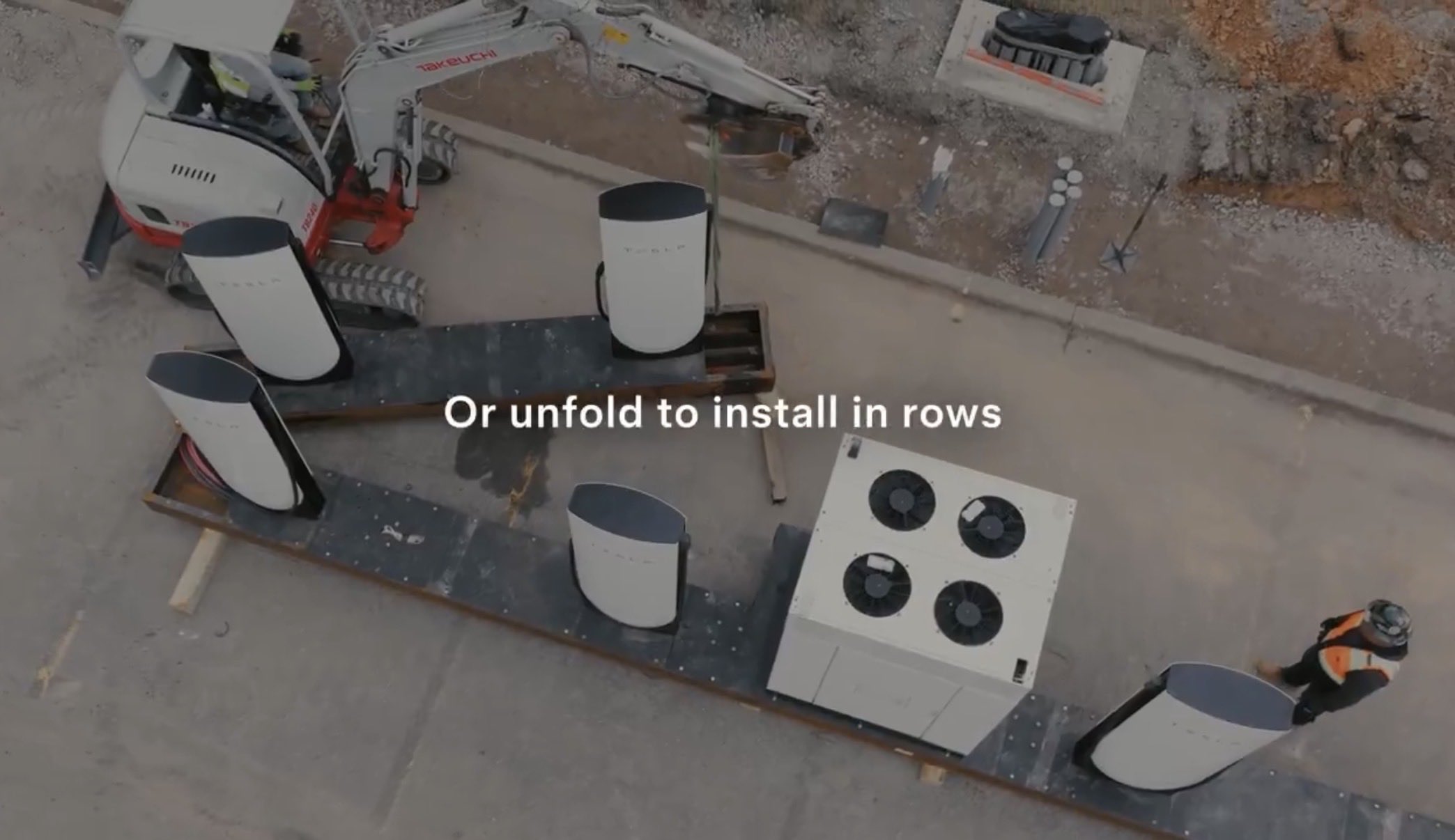
In a move that redefines the benchmark for electric vehicle fast-charging, Tesla has stealthily deployed its next-generation Supercharger technology. The company has officially unveiled the 500 kW "Folding" Supercharger V4, a monumental leap in power and design that was installed and operational at a key California site in a staggering 48 hours. This isn't a mere incremental update; it's a strategic power play launched just as the summer travel season begins, aiming to saturate its network with unprecedented charging speed and flexibility while competitors are still scaling 350 kW infrastructure.
The "Folding" Design: Engineering for Speed and Scale
The "Folding" moniker refers to the charger's revolutionary mechanical arm and cable management system. Unlike the rigid, fixed-length cables on current stalls, the V4 features a sophisticated, articulated arm that extends, retracts, and pivots with ease. This addresses two critical pain points simultaneously: it effortlessly accommodates vehicles of all charge port locations—including future models like the Cybertruck and Tesla Semi—and drastically reduces cable clutter and wear. The core advancement, however, is the raw power. At a rated maximum of 500 kW, the V4 theoretically enables charging speeds that could add hundreds of miles of range in mere minutes, pushing the physical limits of current battery technology and future-proofing the network for next-generation Tesla packs.
Strategic Deployment and the "One More Thing" Effect
The rollout strategy is as disruptive as the hardware itself. Completing a full installation in two days demonstrates a pre-fabricated, modular deployment model that allows Tesla to upgrade or expand sites with minimal downtime—a critical advantage in maintaining network reliability during peak demand. This surprise reveal, held back by Elon Musk as a proverbial "one more thing," serves a clear market objective: to create an unassailable moat in charging infrastructure. While other networks grapple with reliability issues and slower power curves, Tesla's ability to rapidly deploy the world's fastest, most user-friendly chargers solidifies its ecosystem's value, making the ownership proposition for a Tesla—or any future CCS-compatible EV using the network—overwhelmingly attractive.
For Tesla owners, the implications are immediate and profound. The V4 rollout promises to significantly reduce effective charging stop times, especially on long journeys, effectively turning a 15-20 minute stop into a sub-10-minute pause. For investors, this is a masterclass in vertical integration and strategic timing. The deployment showcases Tesla's ability to innovate not just in vehicles, but in the critical infrastructure that supports them, enhancing brand loyalty and creating a formidable, revenue-generating asset. As the EV adoption curve steepens, Tesla's Supercharger network, now leaping ahead with 500 kW capability, transitions from a competitive advantage to a potentially industry-defining standard that others will struggle to match for years to come.