In a moment of deja vu for Tesla investors and enthusiasts, CEO Elon Musk has once again revised the timeline for the most anticipated milestone in automotive technology: truly unsupervised Full Self-Driving. During today's pivotal Q1 2026 earnings call, Musk stated that the hands-free, driverless system for consumer vehicles is now not expected until Q4 2026 "at the earliest," marking the latest in a years-long series of delays for the promised capability.
A Pattern of Promises and Postponements
The declaration follows a familiar script. When pressed for a concrete date, Musk offered a characteristically speculative forecast: “I’m just guessing here, but probably in the fourth quarter.” This phrasing underscores the persistent challenge of predicting a safe rollout for technology that must navigate the infinite complexity of real-world roads. Each previous target—from cross-country autonomous trips to robotaxis—has been pushed back, turning unsupervised FSD into both Tesla's most powerful valuation lever and its most notorious moving goalpost. The delay highlights the monumental gap between achieving high-intervention driver assistance and releasing a system reliable enough to operate entirely without human oversight.
The Regulatory and Technical Gauntlet
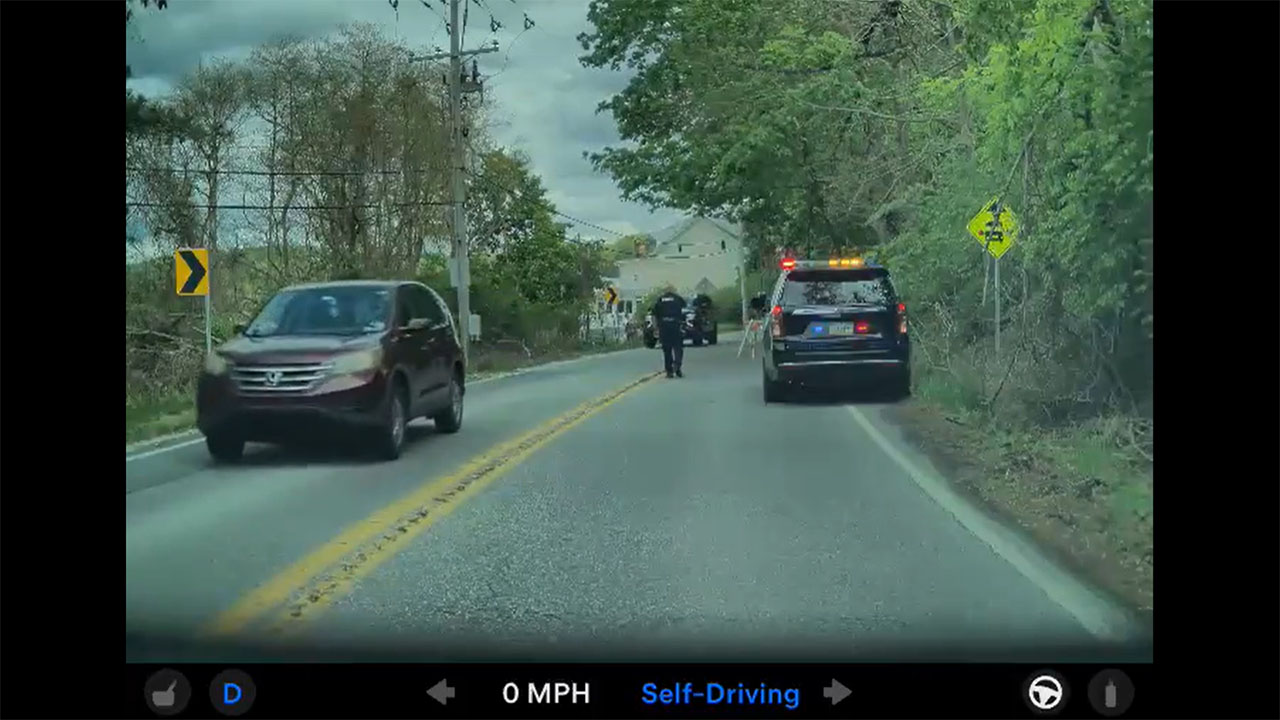
Reaching a true "unsupervised" status is not solely a software challenge. It represents a daunting triathlon of engineering perfection, exhaustive validation, and regulatory approval. Tesla's FSD Beta has made significant strides in neural net decision-making, but regulators worldwide will demand an unprecedented level of proven safety data before permitting cars to operate without a ready driver. Furthermore, the technical leap involves moving from a system that handles 99.9% of scenarios to one that can manage 99.9999%—a exponential increase in difficulty. This quarter's push suggests that final edge cases, such as unpredictable construction zones or extreme weather, continue to require more development time than optimistic internal models projected.
The implications of this latest delay are multifaceted. For the loyal cohort of Tesla owners who purchased FSD, often years in advance, the wait continues, testing patience but also preserving the potential for a revolutionary upgrade. For investors, the mixed signal is clear: while core automotive and energy storage businesses may show strength, the repeated slippage of Tesla's moonshot AI product tempers near-term expectations for the high-margin, software-defined future Musk has long championed. It reinforces that the final ascent to autonomy is a marathon, not a sprint, and that Tesla is not immune to the immense hurdles that have constrained the entire EV and autonomous driving industry.
For the market, this announcement may recalibrate short-term expectations around Tesla's stock, often buoyed by AI optimism. However, it also sets a new, more concrete horizon for Q4 2026, against which future progress will be starkly measured. The pressure is now on for Tesla's AI team to demonstrate tangible, quarterly advancements that build undeniable momentum toward that year-end target. Another major delay beyond Q4 2026 would risk significant erosion of credibility. For now, the dream of the unsupervised electric vehicle remains on the roadmap, but the destination has, once again, moved just over the horizon.