Elon Musk has once again set a definitive and audacious timeline for the pinnacle of self-driving technology, asserting that Tesla is on track to achieve Level 5 autonomy by the end of 2021. This declaration, made during his appearance at the AI Day event, hinges on a crucial caveat: the solution is technically within reach, pending regulatory approval. For the EV industry and Tesla's millions of owners, this isn't just another prediction; it's a promise that the company's Full Self-Driving suite will evolve from a sophisticated driver-assist system into a truly driverless technology within months.
The Technical Leap from Level 2 to Level 5
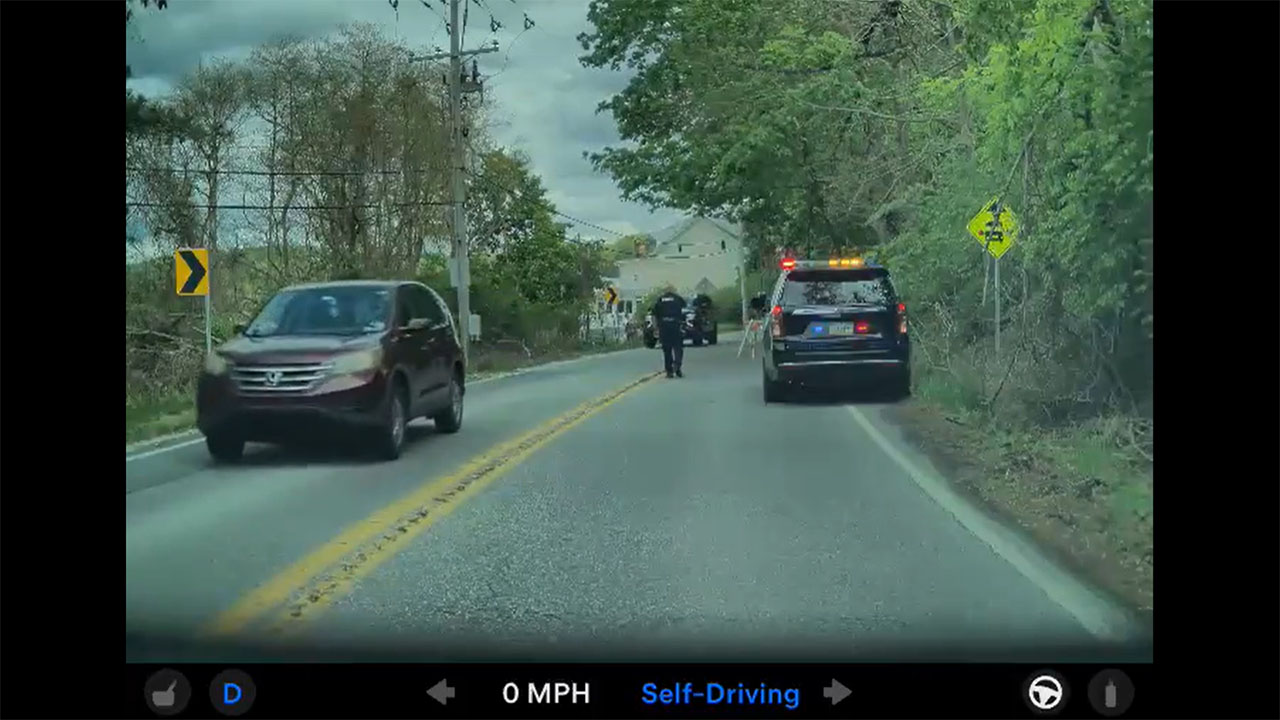
The gap between Tesla's current Level 2 system and the promised Level 5 is a chasm that no automaker has bridged. Level 5 denotes a vehicle capable of operating without human intervention under all conditions, a stark contrast to today's technology which requires constant driver supervision. Musk's confidence stems from Tesla's foundational bet on a vision-based, neural net-driven approach, arguing that solving for the infinite edge cases of real-world driving is a software problem first and foremost. The company's massive fleet, collecting billions of real-world miles, is framed as an insurmountable data advantage that is accelerating the training of its AI "brain."
Regulatory Hurdles and the "Feature-Complete" Caveat
However, the path from technical achievement to public deployment is littered with regulatory and validation hurdles. Musk himself acknowledged that widespread release will depend on regulatory approval, a process notorious for its caution and variability across global markets. Industry analysts note that achieving a "feature-complete" version of the software is only the first step; proving its reliability and safety to authorities like the NHTSA could take years. This creates a likely scenario where Tesla may demonstrate a technically capable Level 5 system in 2021, but its activation for consumers will roll out incrementally and geographically, tied to a painstaking validation process.
The implications of this push are immense for Tesla's business model. Success would fundamentally transform the company from an automaker into a mobility service provider, unlocking the revenue potential of a robotaxi network. For existing owners, it could dramatically increase the utility and value of their vehicles. Yet, the repeated history of missed autonomy timelines casts a long shadow, raising questions about the precision of this latest forecast and the risks of overpromising to a customer base that has paid thousands for the FSD option.
For Tesla owners and investors, this announcement is a double-edged sword. It reinforces the company's position as the undisputed leader in ambitious electric vehicle software development, a key differentiator in a crowded market. Investors may see it as validation of Tesla's long-term, high-margin software strategy. However, owners should temper immediate expectations for a hands-free cross-country trip this year. The more probable near-term outcome is a significant, yet still supervised, upgrade to the FSD beta, bringing the vision of autonomy closer while the much slower dance with regulators continues. The real race is no longer just about engineering; it's about convincing the world it's safe.