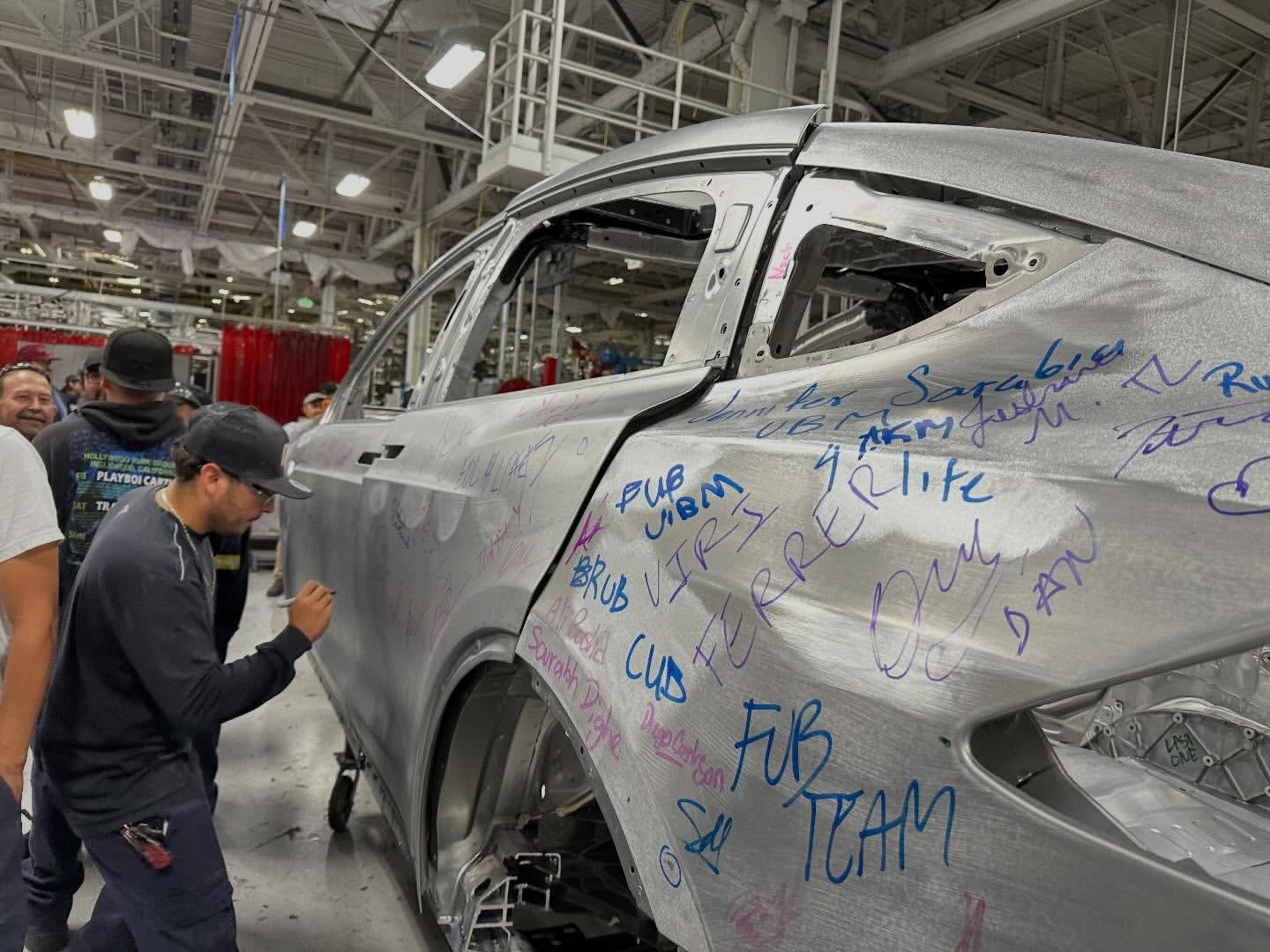
In a move that feels both nostalgic and forward-looking, Tesla CEO Elon Musk has signaled the impending end of an era for the company's flagship vehicles. Taking to his social media platform, Musk posted a poignant throwback photo of the early Model S and Model X production lines, promising an "official ceremony" to commemorate the conclusion of their production. This symbolic gesture confirms long-standing industry whispers and marks a pivotal strategic shift for the world's most valuable automaker as it prepares to sunset the vehicles that defined the modern electric vehicle revolution.
The End of the Flagship Era
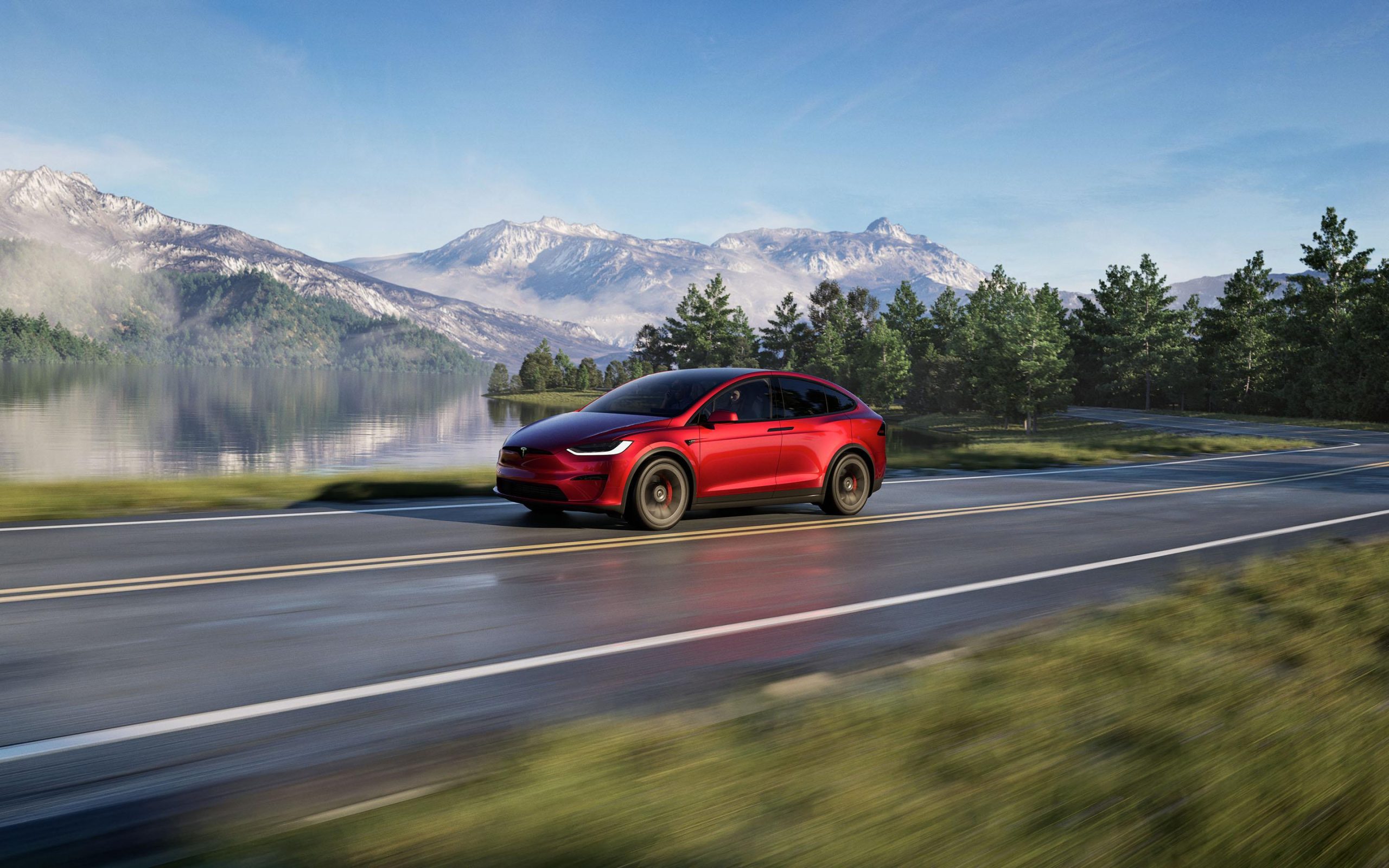
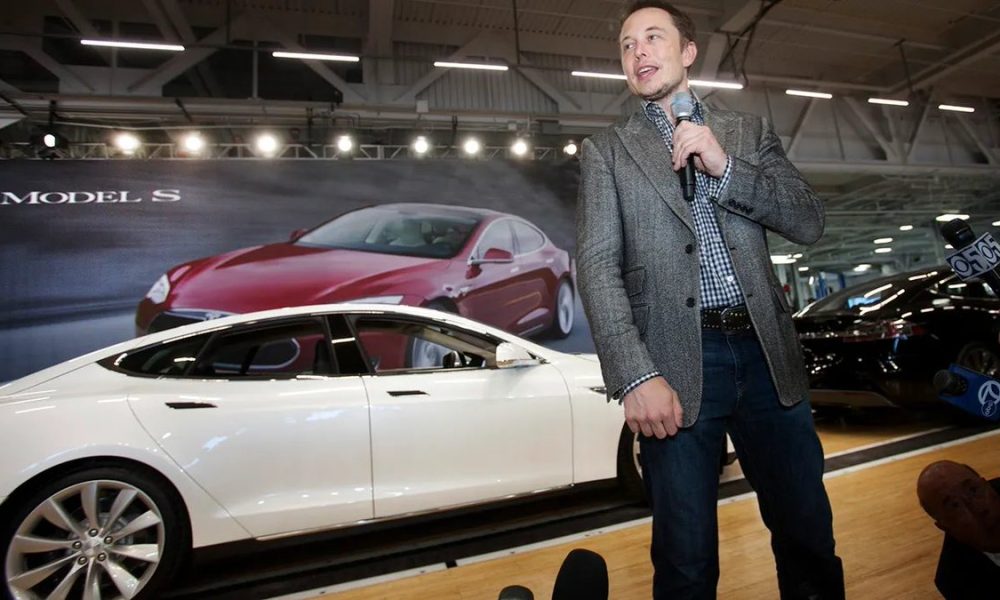
The Model S, launched in 2012, and the Model X, which followed in 2015, were more than just cars; they were technological manifestos. The Model S shattered the perception that EVs were slow and impractical, while the Model X's falcon-wing doors became an iconic symbol of Tesla's audacious innovation. Together, they built Tesla's premium brand halo and funded the development of its high-volume future. However, with the staggering success of the Model 3 and Model Y, which now constitute the overwhelming majority of Tesla's deliveries, the commercial rationale for the older, more complex flagships has diminished. Their planned phase-out reflects a disciplined focus on scalability and volume over niche, low-volume halo products.
Strategic Pivot to Volume and Next-Gen Platforms
Musk's ceremonial hint is not merely about saying goodbye; it's about clearing the deck for Tesla's next act. Closing the chapter on the S and X production lines at the Fremont factory frees up critical manufacturing space, tooling, and engineering resources. These assets are urgently needed for the upcoming next-generation vehicle platform, often referred to as the "$25,000 model" or "Robotaxi" platform. This strategic reallocation is central to Tesla's goal of achieving 20 million vehicles in annual production by 2030. The company is pivoting from proving EV superiority to dominating the global mass market, a battle fought with affordability and manufacturing efficiency.
For Tesla owners and enthusiasts, the announcement is bittersweet. The Model S and X will remain in service and supported, but their transition into collectible icons begins now. For investors, the move is a clear signal of operational maturity and capital discipline. Redirecting resources from low-volume models to the high-volume, next-generation platform is a calculated bet on exponential growth. The success of this pivot—and the speed at which the new platform reaches production—will be the single most important factor in Tesla's valuation over the coming years. The ceremony, therefore, is not just an ending, but the essential prelude to Tesla's most ambitious volume play yet.