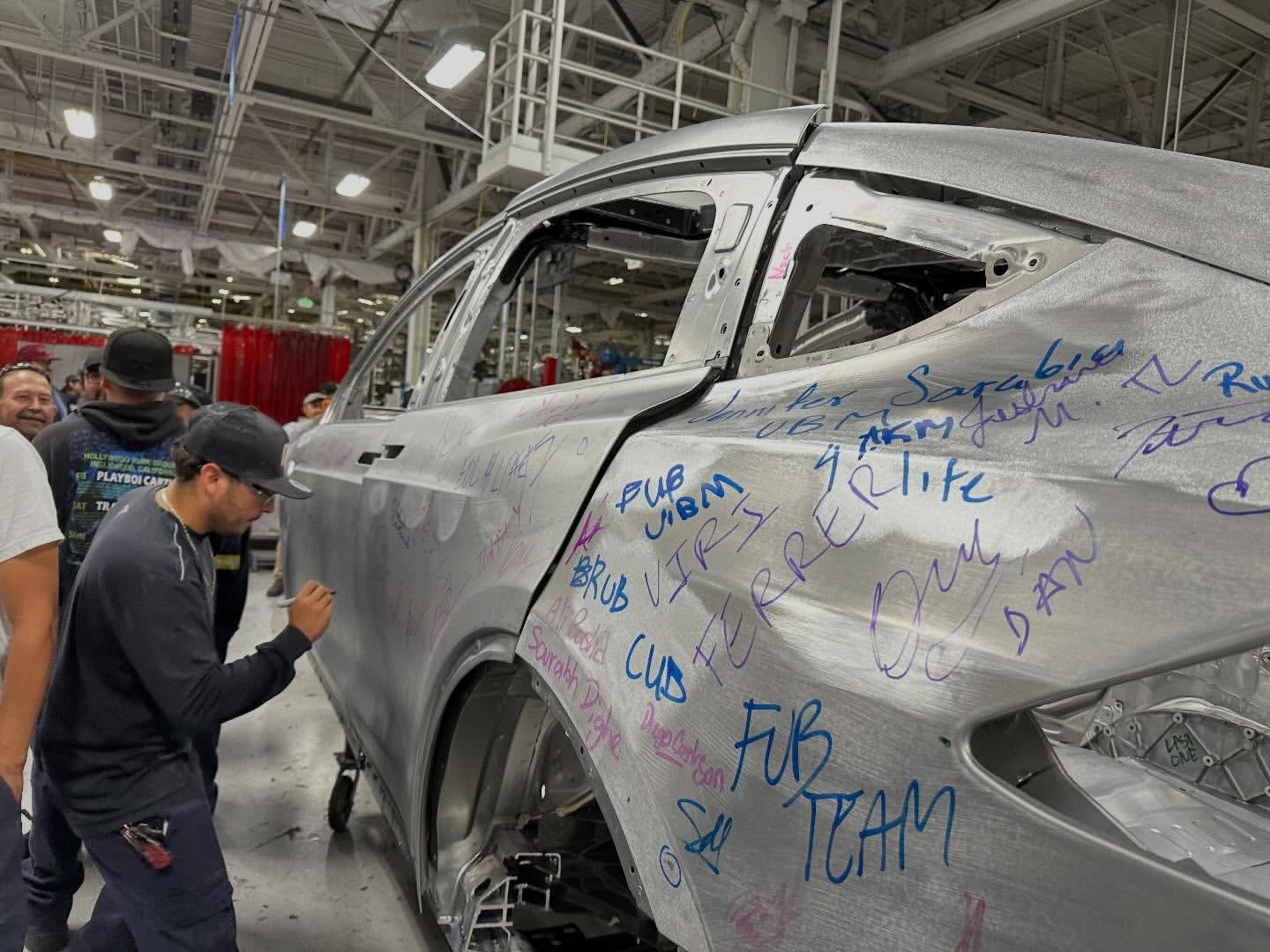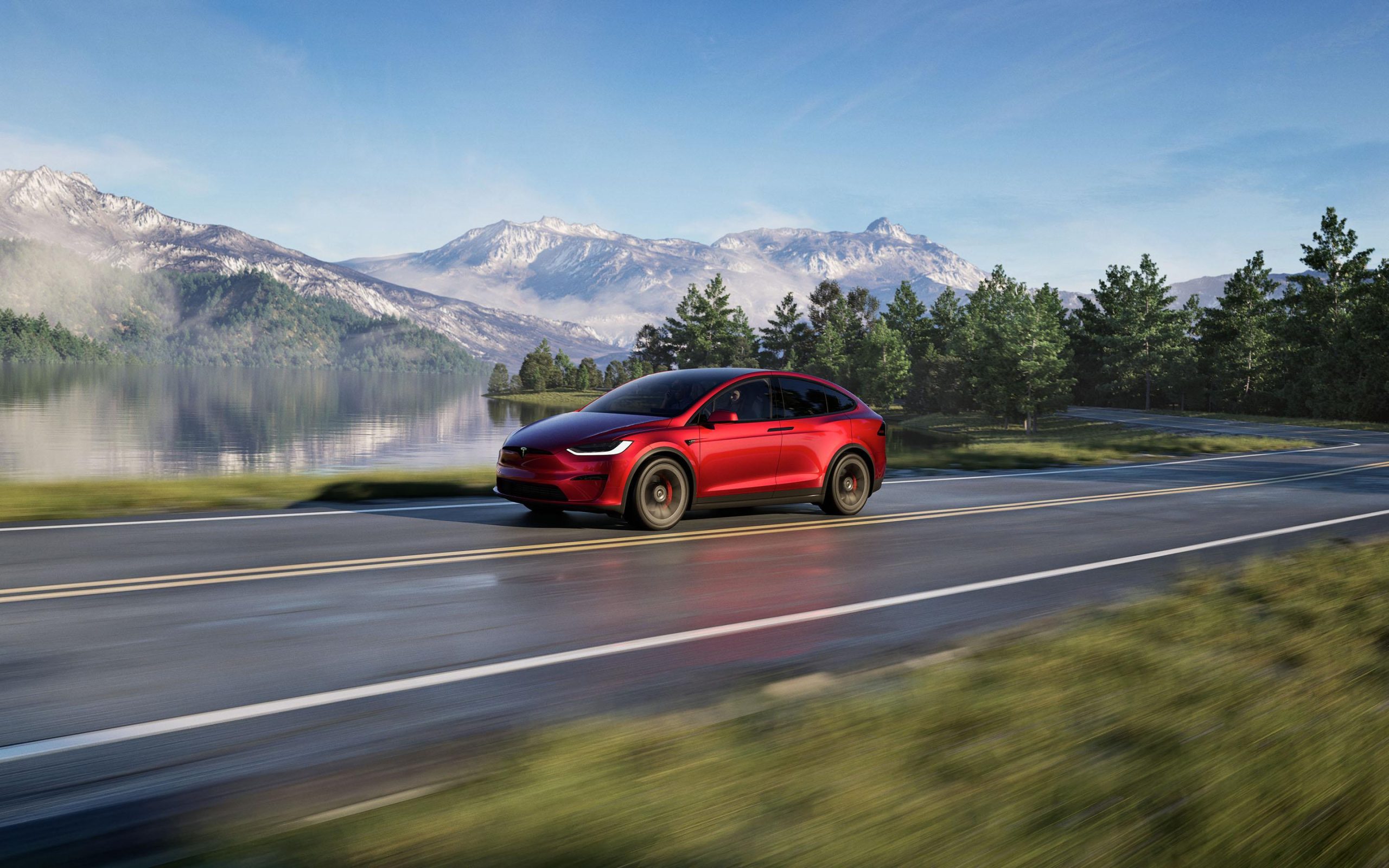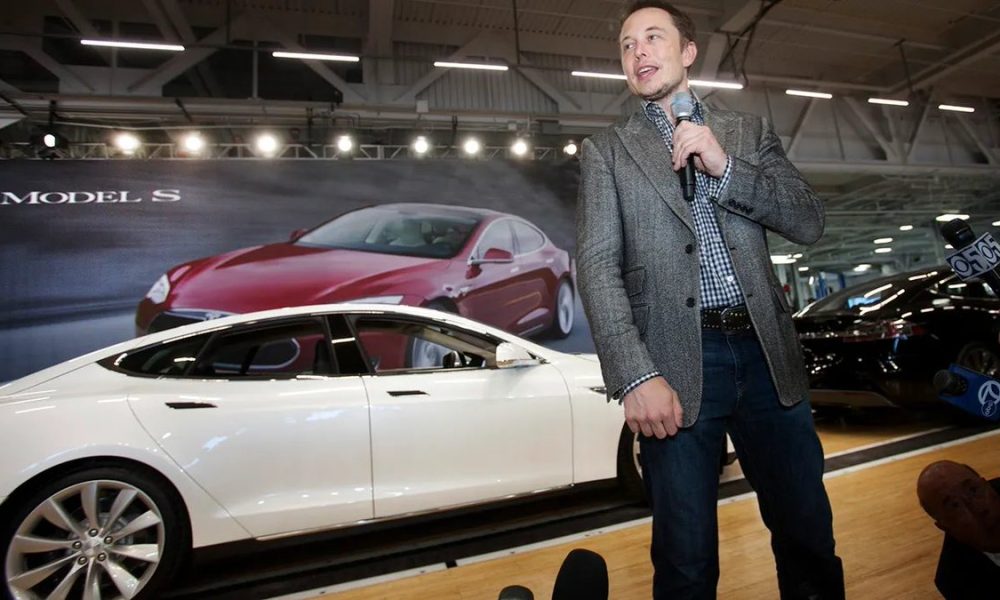
In a move that signals a seismic shift in Tesla's product strategy, CEO Elon Musk has confirmed the effective end of an era for the company's original flagship vehicles. Production of new Tesla Model S and Model X vehicles has been halted, with custom orders for these pioneering EV platforms quietly discontinued in early April. This leaves only a dwindling global inventory of a few hundred units, primarily high-performance Plaid variants, marking a deliberate sunset for the vehicles that defined Tesla's ascent to luxury electric vehicle dominance.
The Quiet Sunset of Tesla's Pioneering Platforms
The cessation of production and custom orders was not announced with fanfare but revealed through the gradual depletion of inventory and insider confirmations. After more than a decade on the market, the Model S and Model X, which fundamentally reshaped public perception of electric cars, are being phased out. This strategic pivot reflects Tesla's intense focus on scaling its high-volume models—the Model 3, Model Y, and the upcoming "Next-Gen" platform—while streamlining its manufacturing complexity. The remaining factory inventory, estimated to be in the low hundreds globally, represents the final opportunity to purchase a new, first-generation flagship Tesla directly.
Inventory Clearance and the Plaid Premium
The remaining stock is not evenly distributed across all trims. Tesla appears to be clearing out its most expensive configurations first, with Plaid variants constituting the majority of available inventory. This suggests a strategic inventory management move to liquidate higher-margin vehicles and potentially indicates stronger past demand for these top-tier models. For prospective buyers, this creates a narrow window to acquire what are now instant collector's items—the final production runs of Tesla's groundbreaking luxury electric vehicles. Once these units are sold, the original Model S and Model X lineage as new cars will conclude.
Strategic Implications and the Road Ahead
This decision underscores a fundamental evolution in Tesla's identity from a niche luxury innovator to a mainstream automotive powerhouse. The resources once dedicated to the lower-volume S and X lines are likely being reallocated to accelerate development of the next-generation platform, the Cybertruck ramp, and advancements in autonomy. It also raises questions about the future of the high-end Tesla segment; whether a true successor to the Model S sedan will emerge or if the focus will shift entirely to trucks, economy models, and the dedicated robotaxi vehicle remains a key topic for speculation.
For Tesla owners, this move solidifies the Model S and Model X as iconic, legacy models, which may impact long-term residual values and the evolution of software support. For investors, it highlights a disciplined approach to capital allocation, prioritizing platforms with the potential for mass-market scale over maintaining legacy products. The end of this chapter is a clear statement: Tesla's future growth is bet on volume, autonomy, and next-generation manufacturing, even if it means retiring the celebrated vehicles that started the revolution.