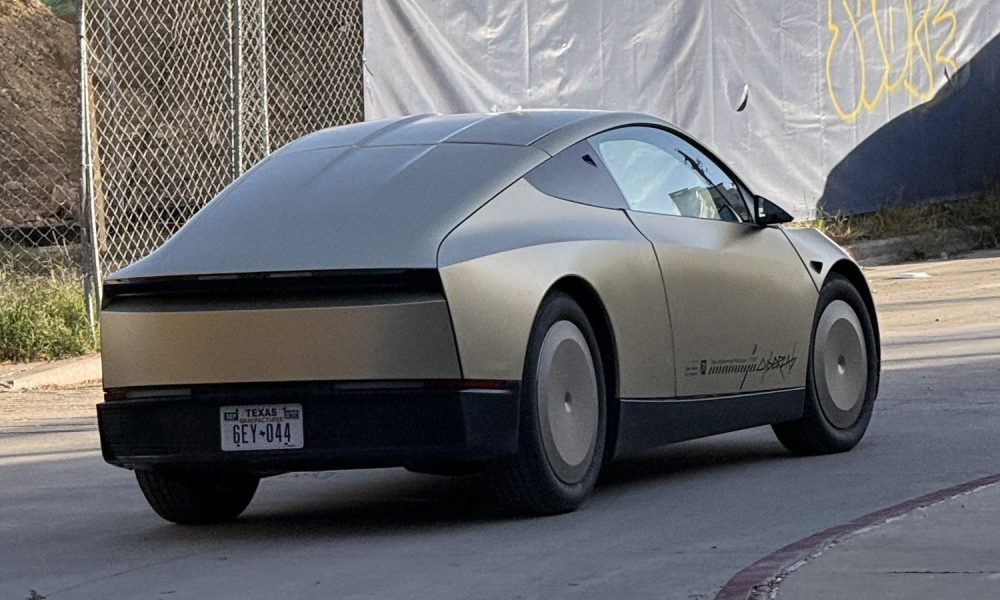
In a move that has electrified both supporters and skeptics, Elon Musk has once again emphatically reaffirmed the imminent production start for Tesla's most radical vehicle yet. During a recent company all-hands meeting, the CEO declared that the Cybercab, a fully autonomous robotaxi devoid of a steering wheel or pedals, will begin rolling off the line in a matter of weeks. This bold restatement of the April 2025 timeline signals Tesla's unwavering commitment to its autonomous future, even as the broader industry grapples with the immense technical and regulatory hurdles of self-driving technology.
A Timeline Forged in Certainty
Musk's latest pronouncement leaves little room for ambiguity. "Cybercab, which has no pedals or steering wheel, starts production in April," he stated. This is not the first time the mercurial CEO has set a public deadline for the robotaxi, but the specificity and proximity of the date carry new weight. The announcement serves as a direct challenge to competitors and a powerful signal to investors that Tesla is transitioning from a development phase to a manufacturing one for its cornerstone autonomous vehicle platform. The timeline hinges on the rapid maturation of Tesla's Full Self-Driving (FSD) software, which must achieve a level of reliability deemed acceptable for regulatory approval of a driverless vehicle.
The Daunting Path to a Driverless Future
While the production date is clear, the road to operational Cybercabs on public roads remains complex. The absence of manual controls means the vehicle is designed exclusively for Tesla's intended robotaxi network, a moonshot ambition to create a fleet of autonomous ride-hailing vehicles. However, significant barriers persist. Regulatory approval for a truly driverless car varies wildly by jurisdiction and will require extensive validation. Furthermore, the business model of a robotaxi service involves navigating insurance, maintenance, and operational logistics that are entirely new for the automaker. Tesla's bet is that its data advantage from millions of EVs on the road will accelerate the solving of the autonomy puzzle faster than any competitor.
For Tesla owners and investors, Musk's doubled-down timeline is a high-stakes promise. A successful launch of the Cybercab and its associated network could unlock a monumental new revenue stream, potentially justifying Tesla's premium valuation and revolutionizing urban mobility. For shareholders, it reinforces the narrative of Tesla as a disruptive tech company, not just a carmaker. Conversely, any significant delay or regulatory setback could dampen market enthusiasm and invite renewed scrutiny on the viability of Tesla's full self-driving ambitions. The coming months will be critical as Tesla attempts to transform a visionary concept into a tangible product, setting the stage for the next chapter in the electric vehicle revolution.