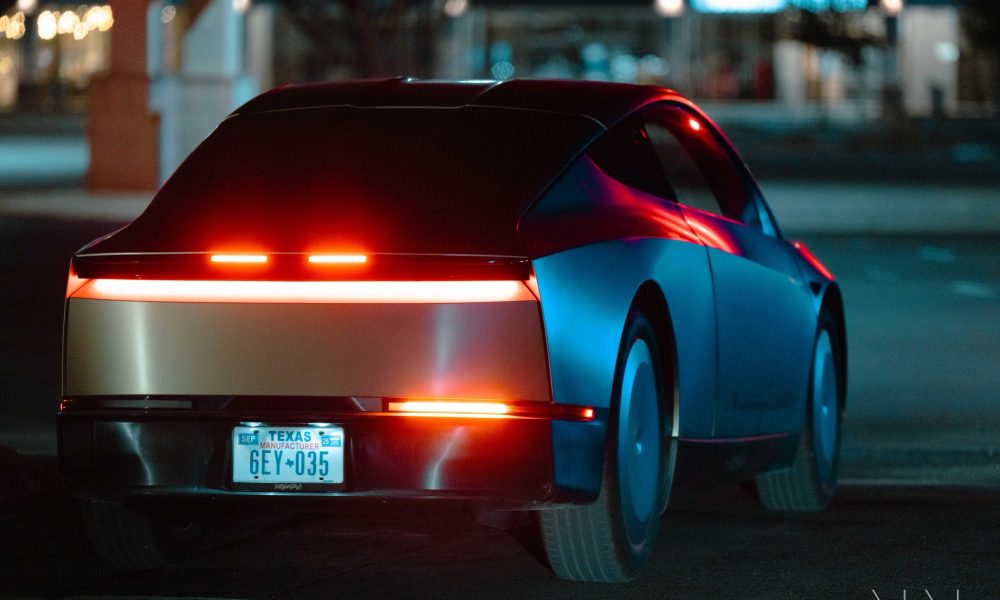
In a definitive move that shifts Tesla's autonomous vehicle strategy from speculation to concrete planning, CEO Elon Musk has publicly confirmed both the target price and consumer release window for the long-anticipated Tesla Cybercab. This announcement provides the clearest timeline yet for a product that aims to revolutionize personal and shared transportation, directly addressing one of the market's most pressing questions: affordability.
A Sub-$30,000 Autonomous Vehicle by 2027
Musk stated that Tesla intends to sell a consumer version of the Cybercab for less than $30,000, with a target release by 2027. This price point is strategically aggressive, placing a fully autonomous electric vehicle squarely in the range of mainstream economy cars. The confirmation suggests Tesla's confidence in its manufacturing efficiency, particularly its "unboxed" production process and advancements in drive-by-wire steering, which are expected to drastically reduce assembly complexity and cost. Achieving this price while integrating the sophisticated hardware suite required for full self-driving (FSD) represents a monumental engineering and supply chain challenge.
Strategic Context and the Robotaxi Ecosystem
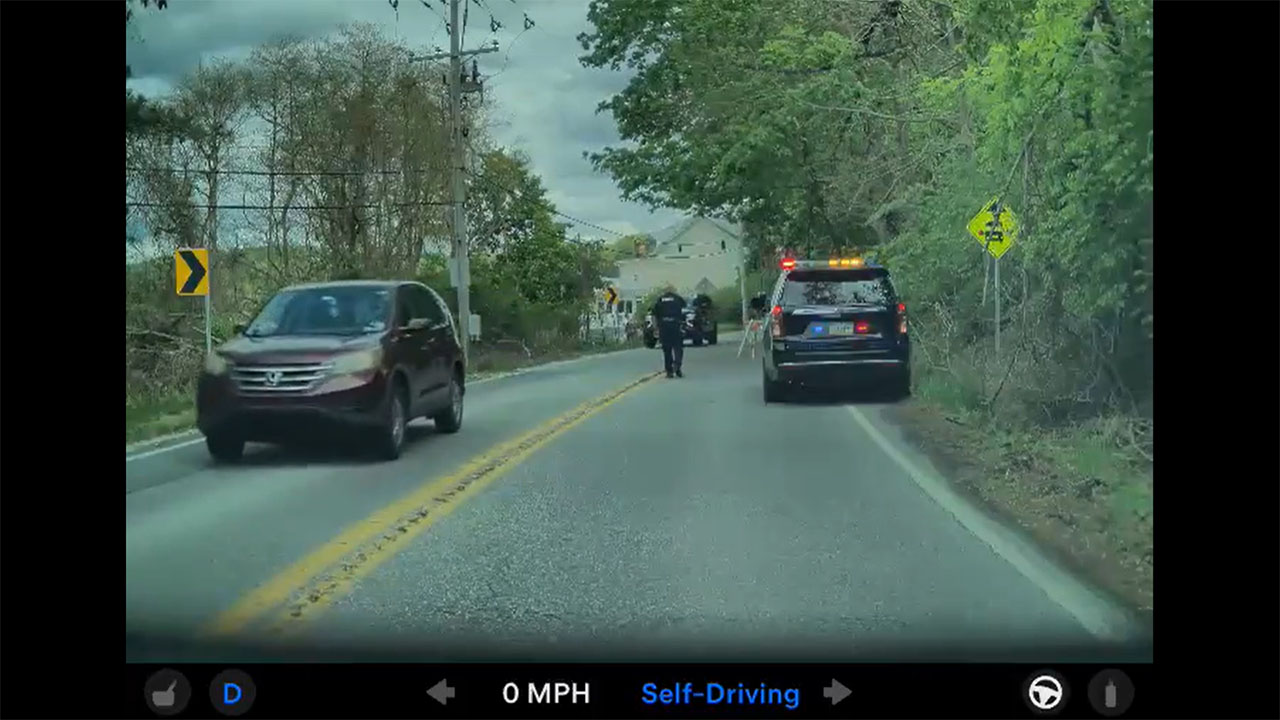
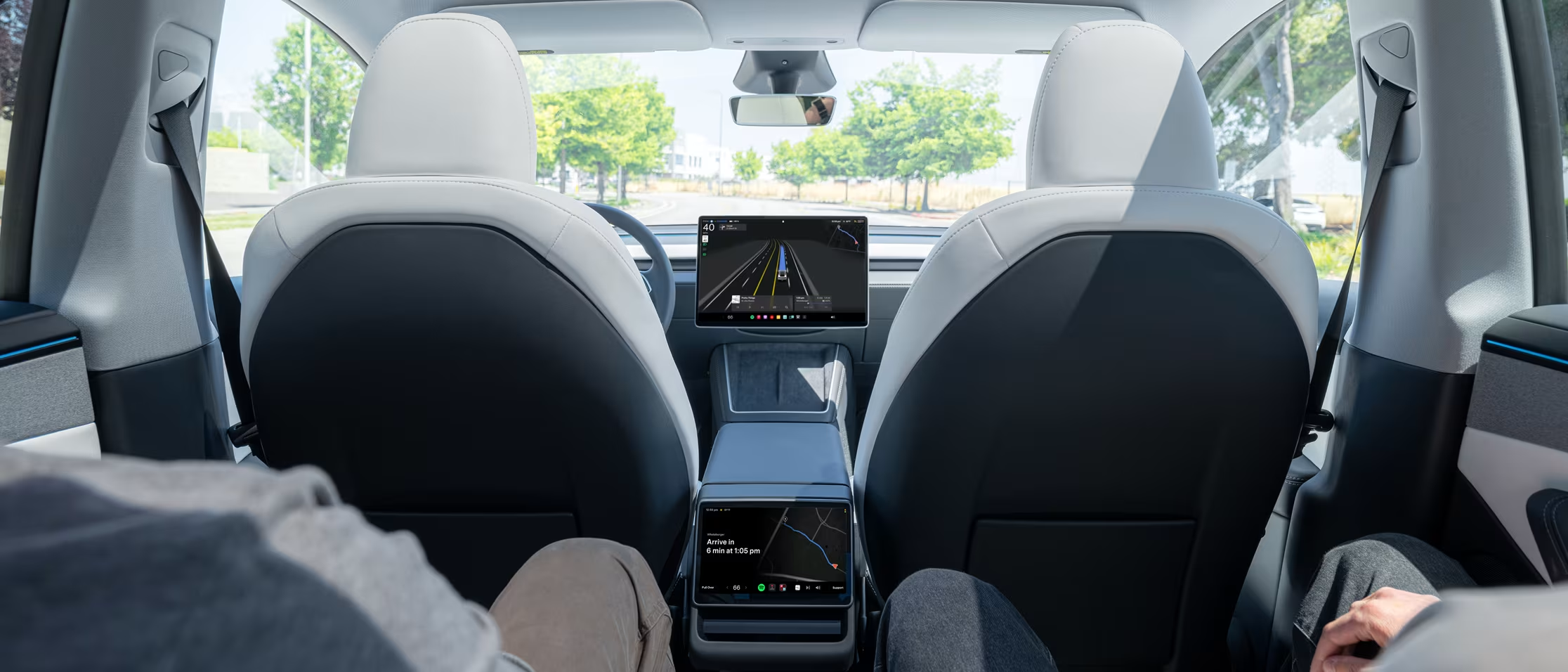
This announcement is not made in isolation. It follows the recent unveiling of the dedicated Robotaxi vehicle and aligns with Tesla's parallel development of a purpose-built ride-hailing network. The strategy appears to be a two-pronged approach: deploying a dedicated fleet for a Tesla-operated service while also selling the same core technology to individual consumers. This dual model could accelerate adoption by saturating the market through multiple channels. The success of this plan is inextricably linked to the regulatory approval and technological maturation of Tesla's FSD software, which must achieve true Level 4 or 5 autonomy to enable the Cybercab's core functionality.
The implications for the broader EV and automotive industry are profound. A sub-$30,000 autonomous vehicle would not only disrupt the taxi and ride-share sector but also place immense pressure on traditional automakers who are still grappling with profitable EV transitions. Tesla's move could force competitors to accelerate their own autonomous programs or risk ceding the future mobility market entirely. Furthermore, it reframes the value proposition of car ownership, positioning the Cybercab as both a personal vehicle and a potential income-generating asset when added to the Tesla network.
Implications for Tesla Owners and Investors
For current Tesla owners and investors, this roadmap provides critical clarity. The confirmation validates years of investment in AI and FSD development, suggesting a tangible path to monetization beyond vehicle sales. Investors will now scrutinize Tesla's execution against the 2027 deadline, watching for milestones in regulatory approvals, FSD capability, and gigafactory retooling for the new platform. For potential buyers, the promise of an affordable autonomous electric vehicle may influence purchasing decisions today, possibly accelerating demand for current models with FSD hardware that could see a capability unlock in the future. The race to the Cybercab's launch will be a defining chapter for Tesla, testing its operational and technological limits while promising to redefine mobility itself.