Tesla has officially announced an upgraded version of its in-vehicle AI computer, the AI4+, during the company’s Q1 2026 earnings call. While this new hardware promises enhanced performance for current and future electric vehicles, CEO Elon Musk also delivered a clear message to the community: the next-generation AI5 chip will not be coming to cars, yet. This strategic pivot underscores Tesla’s focus on refining its existing autonomous driving architecture rather than rushing a radical hardware overhaul into production.
What the AI4+ Computer Brings to Tesla Vehicles
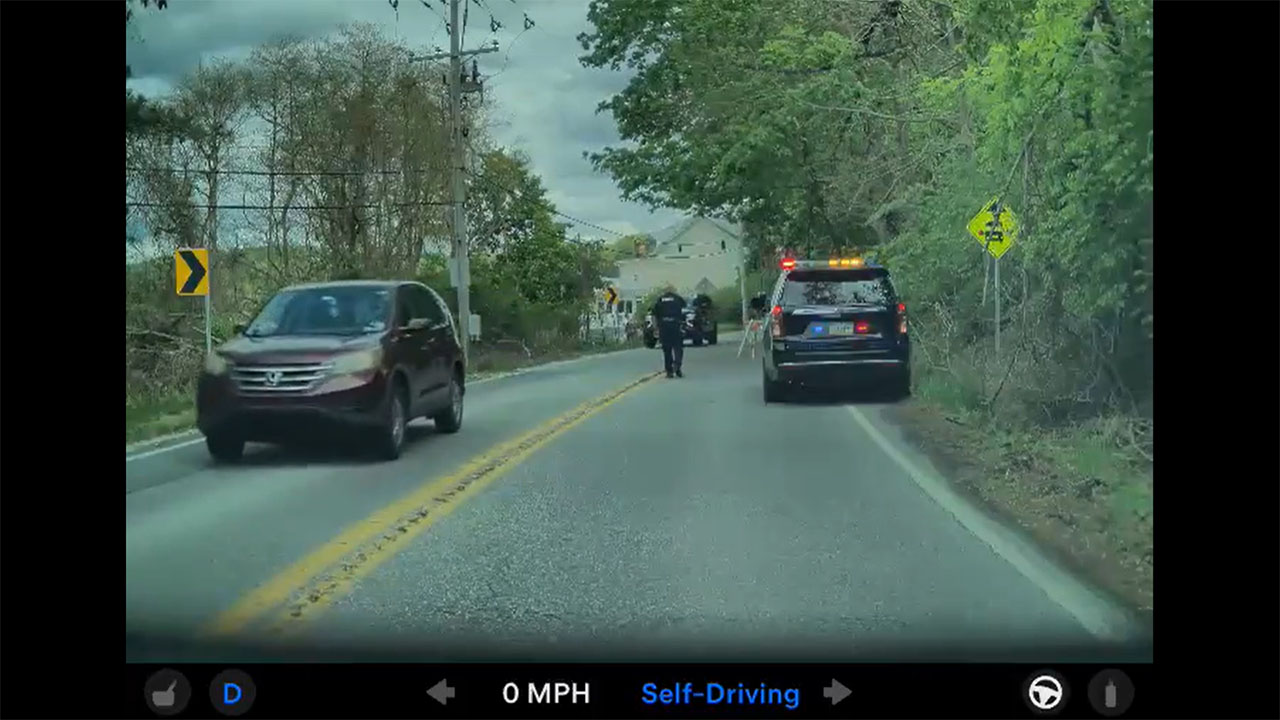
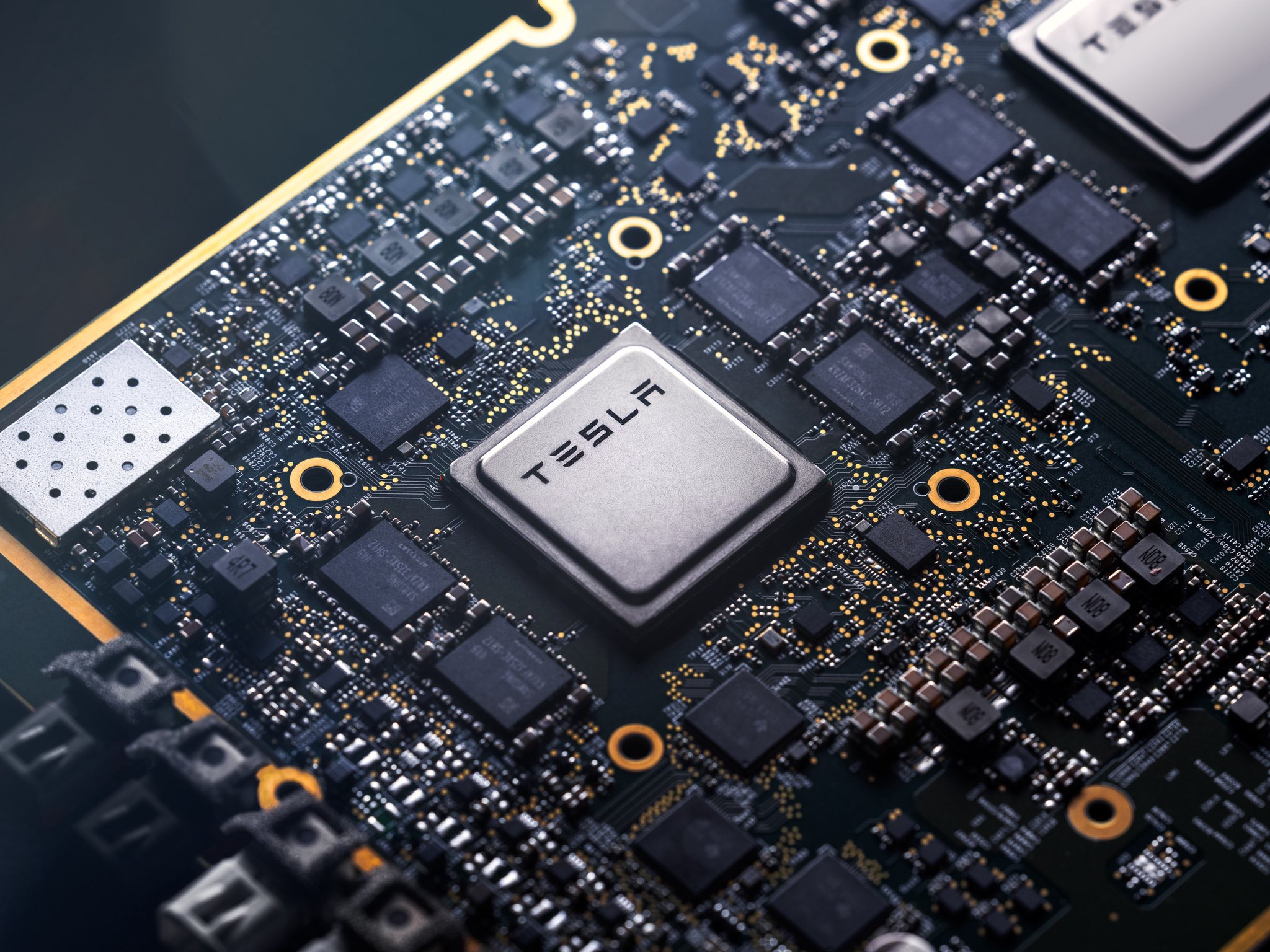
The AI4+ represents a significant mid-cycle upgrade to the AI4 computer currently deployed in models like the Cybertruck and refreshed Model 3. According to Musk, the new system integrates improvements in neural network processing and memory bandwidth, enabling smoother Full Self-Driving (FSD) operations and better handling of edge cases. Tesla owners can expect incremental gains in real-time perception and decision-making speed, though Musk was careful to note that the AI4+ does not represent a generational leap. Instead, it is a practical evolution designed to bridge the gap until more advanced hardware is truly necessary for consumer vehicles.
Why AI5 Remains Exclusively for Tesla’s RoboTaxi Fleet
Musk reaffirmed that the AI5 chip, which is being developed in-house with a focus on extreme computational density and energy efficiency, is currently destined exclusively for Tesla’s upcoming RoboTaxi and Optimus robot platforms. The executive explained that AI5’s architecture is over-engineered for personal vehicles, where cost and power consumption must be tightly balanced. “Putting AI5 in a consumer car today would be like putting a supercomputer in a calculator,” Musk stated during the call. This decision ensures that Tesla can maximize the chip’s potential in high-utilization, autonomous fleet scenarios while avoiding unnecessary complexity and cost for everyday drivers.
Implications for Tesla Owners and Investors
For current Tesla owners, the AI4+ announcement signals that the company remains committed to over-the-air updates and hardware retrofits where feasible. However, those hoping for a free path to AI5 should temper expectations—Musk explicitly stated that upgrading existing vehicles to AI5 is “not on the roadmap.” For investors, this clarity is a double-edged sword. On one hand, it shows disciplined capital allocation by focusing on proven hardware for the mass market. On the other, it delays the potential “iPhone moment” where a massive hardware upgrade cycle drives new vehicle sales. The key takeaway is clear: Tesla is betting that its software and incremental hardware improvements will deliver Level 4 autonomy on current platforms, while AI5 remains a long-term bet on a fully autonomous, robotaxi-driven future.