In a pivotal moment for Tesla's autonomous future, a key architect of its most ambitious project is stepping away. Victor Nechita, the Vehicle Program Manager for Tesla's purpose-built robotaxi known as the Cybercab, has departed the company. His exit comes immediately on the heels of the program reaching its first major production milestone, signaling a critical transition from development to execution for a venture that is fundamental to Tesla's long-term valuation and vision.
A Departure at a Critical Juncture
Nechita's role placed him at the heart of transforming the Cybercab from a concept unveiled during Tesla's Robotaxi event in August 2024 into a manufacturable reality. His departure, confirmed via his LinkedIn profile, follows the reported completion of the program's first production-intent vehicle. Such timing is indicative of a natural handoff point in complex automotive programs, where the intensive engineering and validation phase gives way to the scaling and operational challenges of mass production. However, the loss of a senior program manager always introduces an element of uncertainty, especially for a product as novel and technically demanding as a ground-up driverless vehicle.
The Immense Stakes of the Robotaxi Vision
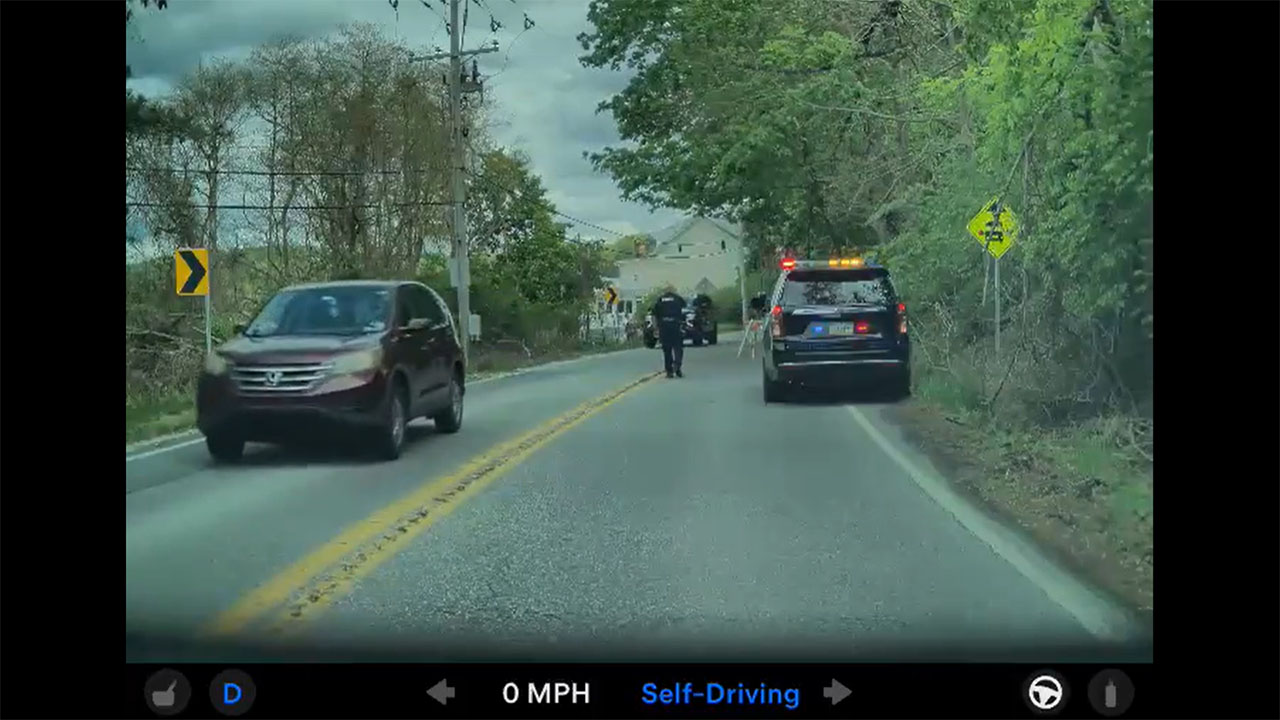
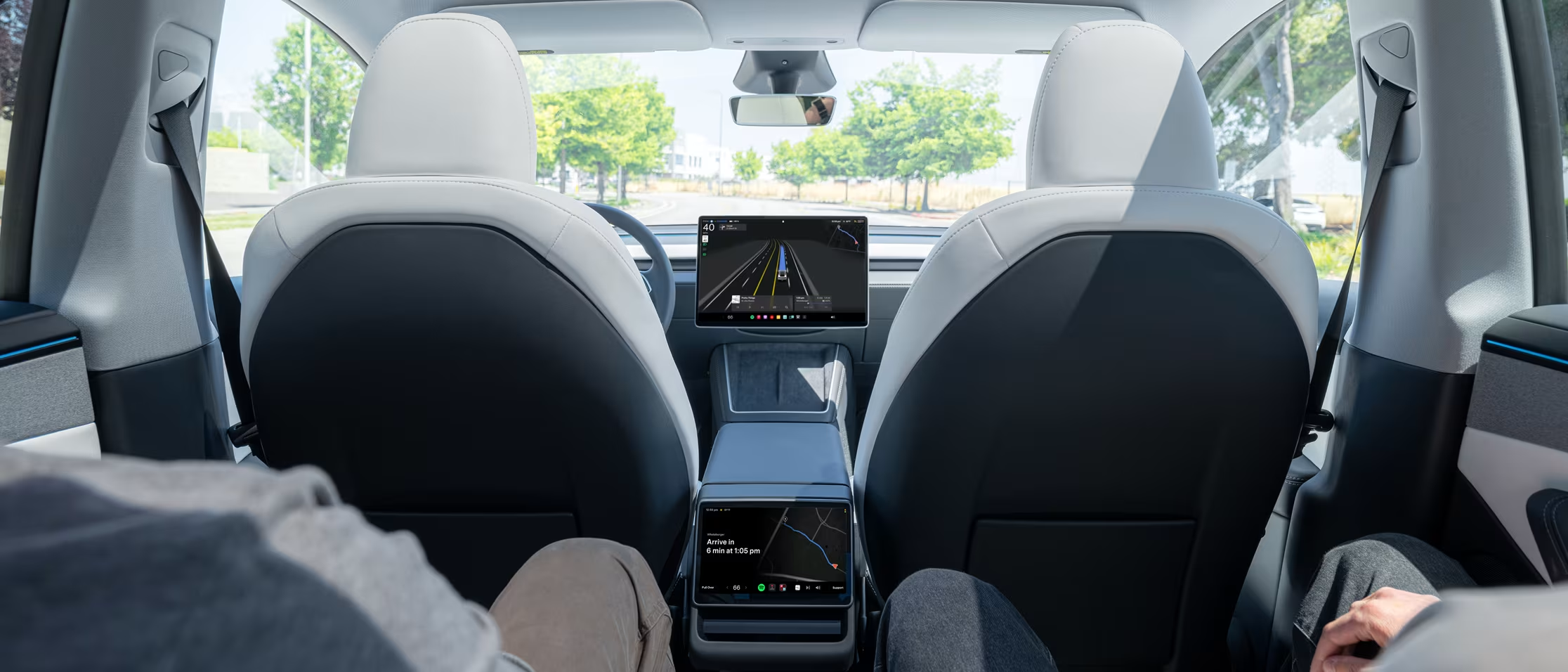
Tesla's robotaxi network is not merely another product line; it is the cornerstone of the company's narrative around artificial intelligence and a multi-trillion dollar future market. CEO Elon Musk has positioned fully autonomous Cybercabs as the primary driver of Tesla's value, surpassing its traditional car-selling business. The program's success hinges on the seamless integration of Tesla's Full Self-Driving (FSD) software with a vehicle platform designed without a steering wheel or pedals. Nechita's team was tasked with creating that physical vessel—a task requiring unprecedented focus on reliability, safety, and cost-effective manufacturability for a service-oriented fleet.
Reaching the first production milestone is a significant technical achievement, proving the vehicle can be built. Yet, the path ahead is fraught with greater hurdles: achieving regulatory approval for a truly driverless vehicle, scaling production to millions of units as Musk has forecasted, and building the vast operational infrastructure for a global ride-hailing network. These challenges now fall to Nechita's successors and the broader Autopilot and vehicle engineering teams, who must maintain momentum without a key leader.
Implications for Tesla's Trajectory
For Tesla investors, this executive transition is a moment for measured assessment. The on-schedule achievement of an early production milestone is a positive signal of engineering execution. However, high-profile departures in the midst of a moonshot project warrant close observation of the program's continuity. The market will be watching for any shifts in the announced August 2025 unveil timeline for the finished Cybercab product. For Tesla owners, particularly those invested in the FSD ecosystem, the robotaxi's progress validates the underlying technology destined for their own vehicles. The company's ability to navigate this leadership change smoothly will be a key test of its operational maturity as it evolves from an EV maker into an AI and mobility platform.