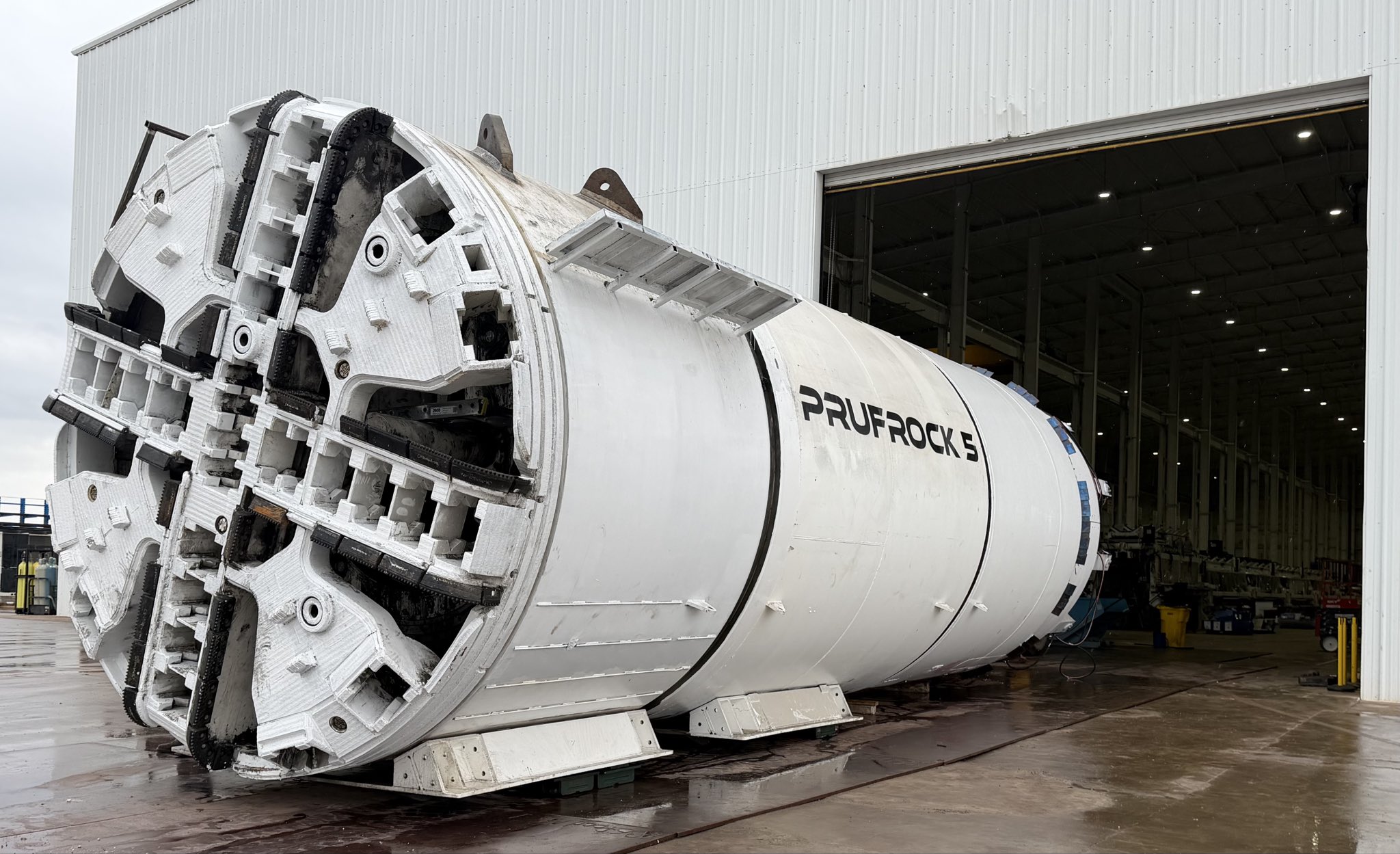
In a move that blends audacious marketing with a genuine call for urban innovation, Elon Musk's The Boring Company has thrown down a gauntlet to city planners, businesses, and dreamers alike: pitch the best idea, and we'll build you a mile-long tunnel for free. Announced via an official press release on Musk's X platform, this unconventional contest seeks to catalyze the adoption of its tunneling technology by letting the public dictate its next proving ground. The offer cuts through typical municipal procurement red tape, presenting a potentially transformative opportunity—with several significant caveats attached.
The "Free Tunnel" Pitch: A Contest with Conditions
The core proposition is straightforward. The Boring Company will design and construct a 1-mile (1.6 km) "proof-of-process" tunnel at no cost to the winning entity. Eligible participants include any U.S. city, university, or private property owner with the necessary land rights and permits. The catch, however, lies in the details. The winner must secure all required governmental approvals and environmental permits—a notoriously complex and lengthy hurdle for any infrastructure project. Furthermore, the tunnel must be intended for freight, utilities, or pedestrian use, explicitly excluding standard automotive traffic, which aligns with the company's recent pivot towards logistics and hyperloop-style systems over urban car tunnels.
Strategic Gambit or Genuine Open Innovation?
Analysts see this contest as a multifaceted strategic play. Primarily, it functions as a powerful lead-generation tool, surfacing serious, shovel-ready partners who have already navigated the political landscape. By having applicants secure permits first, The Boring Company mitigates its own financial and regulatory risk. Secondly, it serves as a large-scale public demonstration. A successful, high-profile project—whether moving cargo for a corporation or students across a vast campus—could serve as the ultimate case study to sway skeptical municipal governments. The contest cleverly leverages public excitement to create a market pull for its tunneling services, reframing the conversation from sales pitches to granted wishes.
The stipulated use cases are particularly telling. Focusing on freight and utilities taps into less publicly contentious, but economically critical, infrastructure needs. It also dovetails with Musk's broader ecosystem vision, where low-cost tunnels could support logistics for Tesla's operations or SpaceX's facilities. This contest is less about giving away a toy and more about planting a flag for a specific, utility-focused application of its technology, moving the narrative beyond the early Las Vegas passenger loops.
Implications for the Tesla and Tech Ecosystem
For Tesla investors and observers, this move is a reminder of the synergistic, albeit high-risk, nature of Musk's portfolio. A breakthrough in affordable, rapid tunneling could directly benefit Tesla by reducing infrastructure costs for new Gigafactories or creating dedicated delivery networks. More broadly, it represents a disruptive approach to solving the "last mile" and urban congestion problems that affect every electric vehicle owner. If successful, the contest could validate a new model for public-private infrastructure projects, potentially lowering costs and increasing build speed for future endeavors that might one day integrate seamlessly with autonomous EV networks.
However, the onus remains squarely on the applicants. The winner faces the monumental task of permitting and public approval, with The Boring Company's offer only materializing at the finish line of that process. This creates a high-stakes scenario where the winning idea must not only be innovative but also politically viable. The outcome will be a crucial test of whether Musk's vision for rapid tunneling can find a partner ready to navigate the intricate realities of modern infrastructure development.