Tesla CEO Elon Musk has confirmed that a steering-wheel-free version of the Model Y is in development, signaling the company's most aggressive push yet toward a fully autonomous vehicle lineup. The revelation came during a broader discussion of Tesla's autonomy strategy, in which Musk positioned the Cybercab as the centerpiece of his robotaxi ambitions while acknowledging that a modified, six- or seven-seat Model Y would play a critical supporting role.
Why a Driverless Model Y Matters
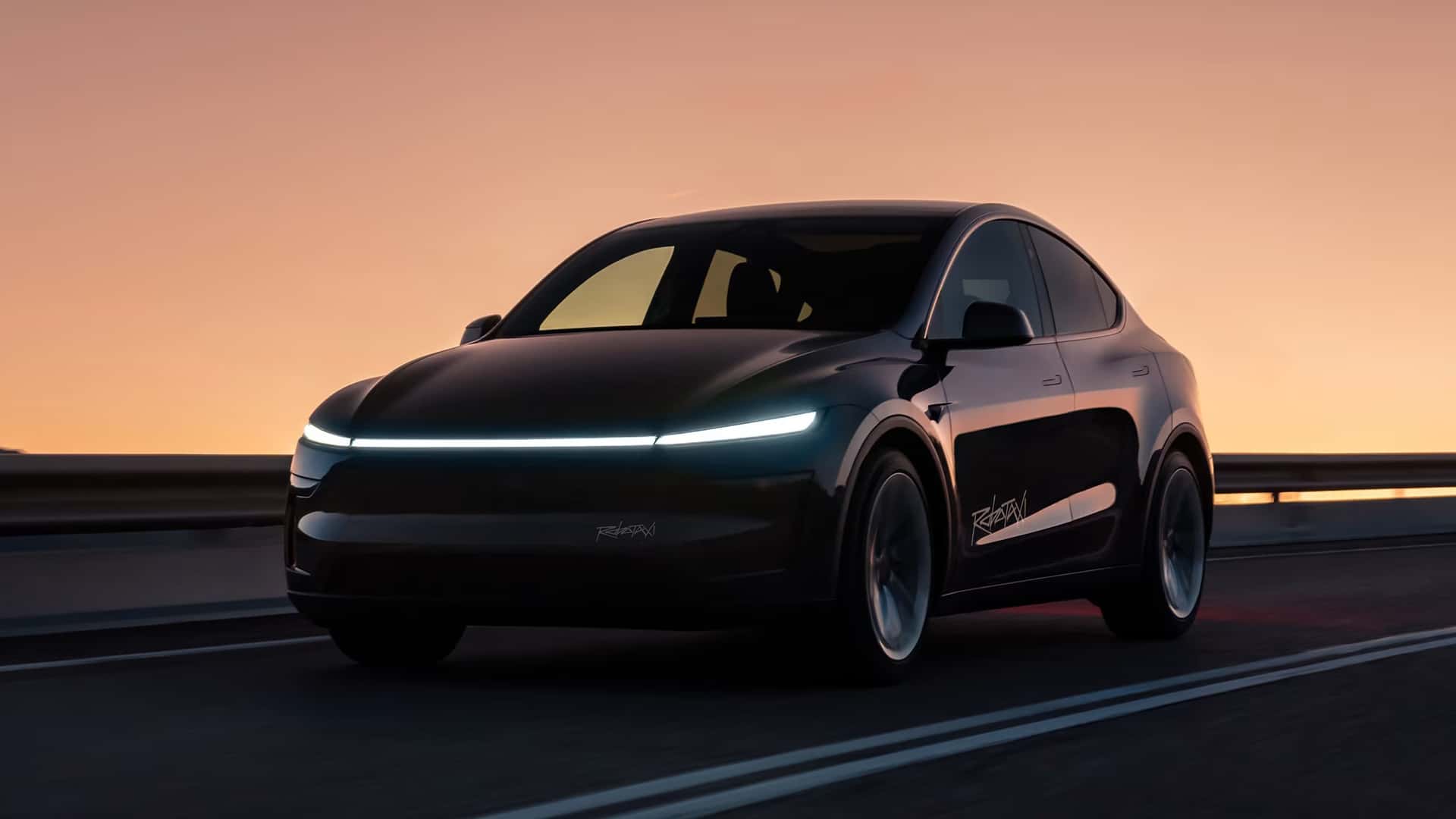
The Cybercab, Tesla's purpose-built two-seater robotaxi unveiled in October 2024, remains Musk's primary solution for the majority of ride-hailing trips. However, the executive argues that a larger autonomous vehicle is essential for scenarios demanding more passenger capacity — families, group travel, and airport transfers among them. A six- or seven-seat Model Y stripped of its steering wheel and pedals would fill that gap, leveraging Tesla's best-selling vehicle platform rather than requiring an entirely new production line.
The engineering logic is straightforward. The Model Y already offers an optional seven-seat configuration, and its crossover form factor provides the cargo space and accessibility that robotaxi operators covet. By removing human controls, Tesla can reduce per-unit cost, free up cabin space, and eliminate any ambiguity about whether the vehicle is operating in autonomous mode. The move aligns with Musk's long-stated vision of Tesla transitioning from an automaker to an autonomy-first company.
The Regulatory and Technical Hurdles
Delivering a steering-wheel-free Model Y is far from a formality. Federal safety standards in the United States still assume human controls in most passenger vehicles, and Tesla would need exemptions or a regulatory pathway similar to the one it is pursuing for the Cybercab. Musk has indicated that Tesla intends to begin Cybercab production in 2026, but volume manufacturing depends on the maturity of its Full Self-Driving (FSD) software and the company's ability to secure approvals state by state.
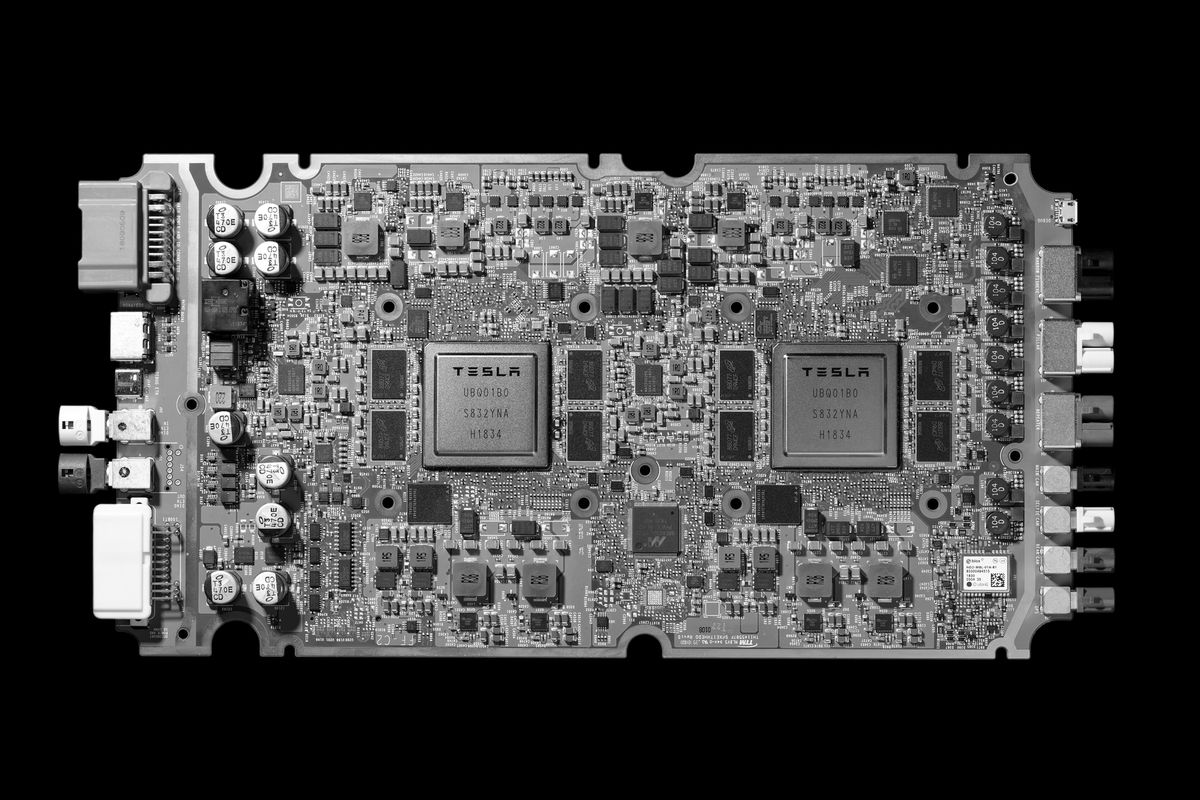
The technical challenge is equally significant. A driverless Model Y would rely entirely on Tesla's camera-based FSD stack and its AI5 inference hardware, with no fallback for a human driver. Any safety incident involving a vehicle without manual controls would draw intense regulatory scrutiny — a risk Tesla cannot afford as it stakes its valuation on autonomy.
What It Means for Owners and Investors
For current Model Y owners, the announcement hints at a future where their vehicles could join a Tesla-operated robotaxi fleet, though retrofit potential remains unclear. For investors, the driverless Model Y represents a capital-efficient bet: repurposing an existing, high-volume platform could accelerate Tesla's robotaxi rollout at far lower cost than building an entirely new vehicle from scratch. The strategy also broadens Tesla's addressable market in the ride-hailing economy, where larger vehicles command higher fares.
The key question is timing. Musk's track record on autonomy deadlines is famously optimistic, and a steering-wheel-free Model Y will only arrive once regulators and the FSD software are ready. Until then, the announcement serves as another signal that Tesla's future — and its EV business model — is being rebuilt around the assumption that humans will soon no longer need to drive.