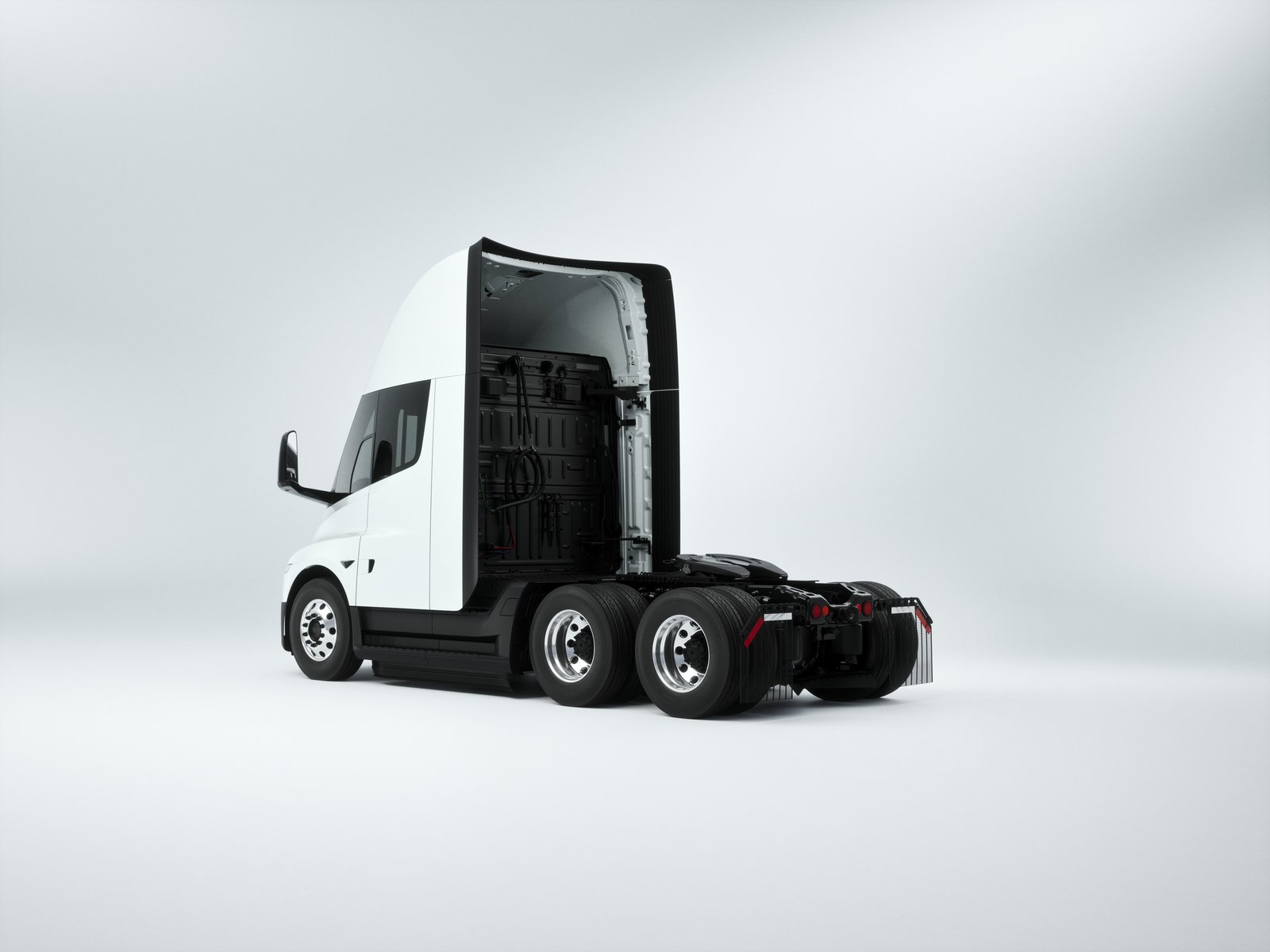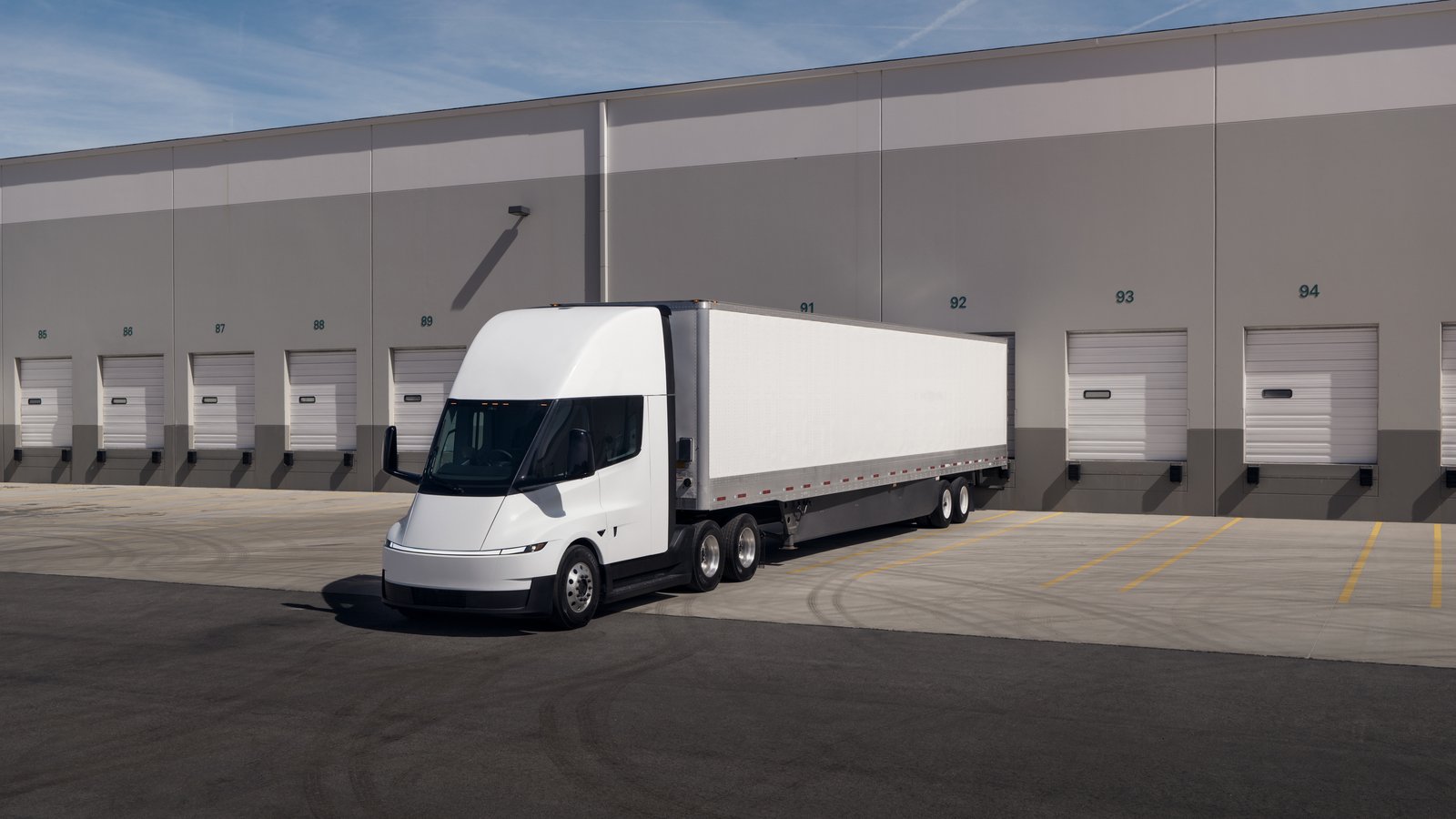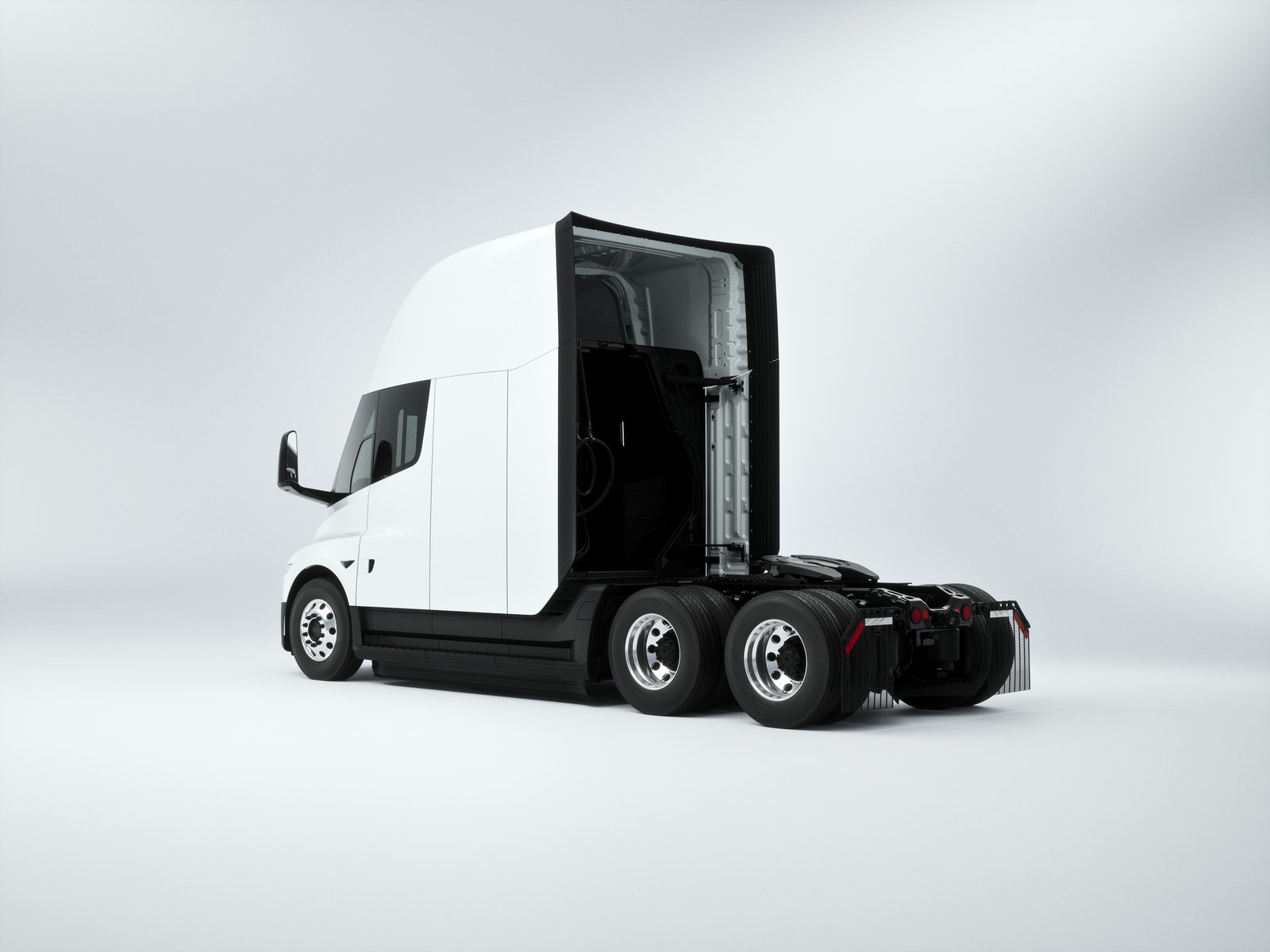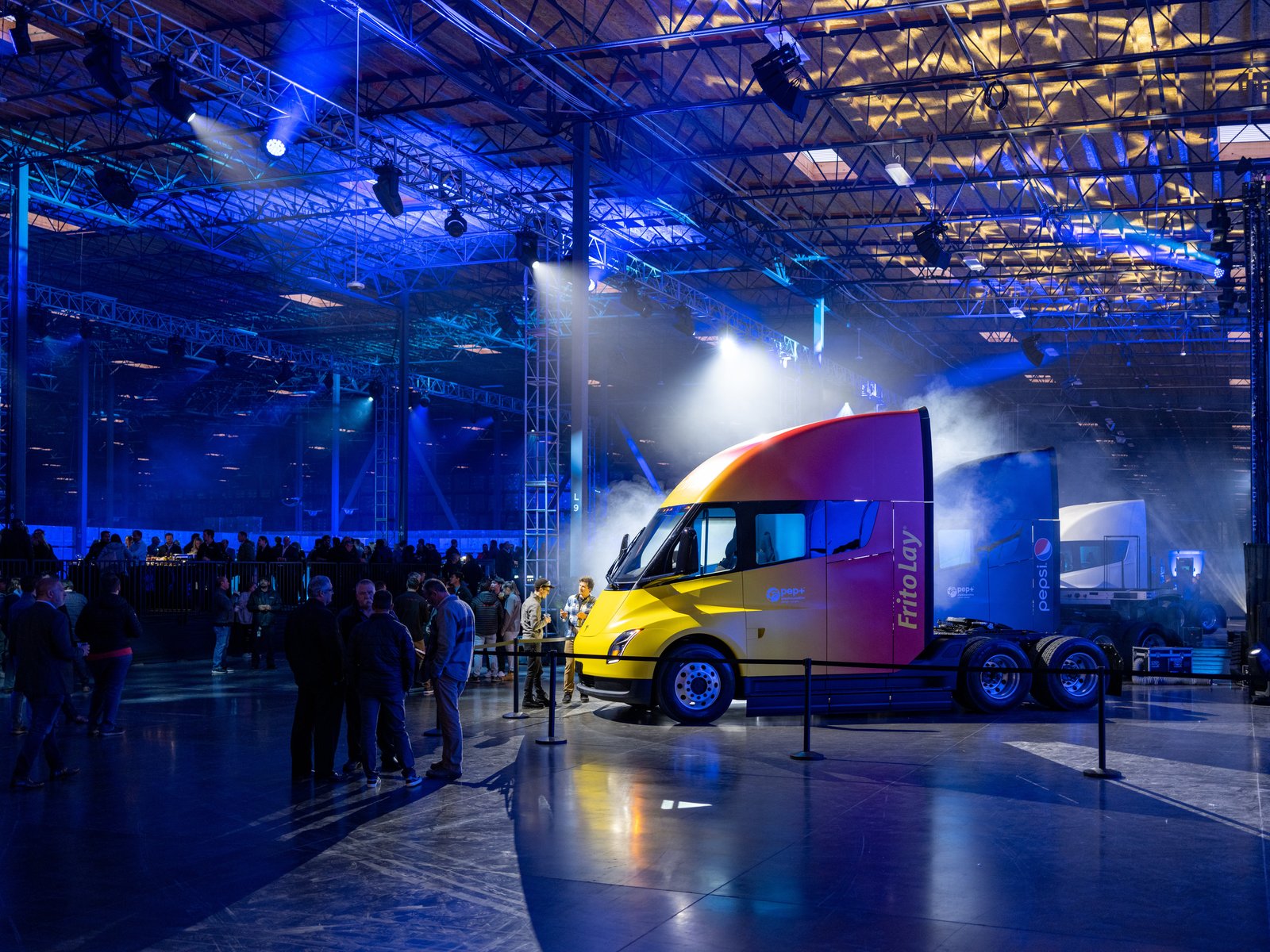
A Chicago diesel fleet just put a number on the electric truck debate: $84 a day to run a Tesla Semi, versus $387 for a comparable diesel tractor. That gap convinced HMD Trucking to order 50 Tesla Semis after a hands-on trial. For a carrier that runs 650 diesel trucks, the math is hard to ignore.
From First Delivery to a 50-Truck Order
HMD Trucking took delivery of its first Tesla Semi on November 2. The Chicago-based carrier did not treat it as a showpiece. It put the electric truck into real freight service and tracked every cost along the way.
The trial covered roughly 6,440 km (about 4,000 miles). That is enough distance to expose the weak spots of any new EV platform: charging gaps, dispatch friction, driver adaptation and unexpected downtime. HMD concluded the truck held up, and the fleet followed with its 50-truck order.
The Cost Per Day Comparison
The headline figure is simple. HMD reports a daily operating cost of $84 for the Semi against $387 for a diesel truck. That is a difference of $303 per day, per vehicle. Across a year of regular duty, the savings add up quickly, and across 50 trucks they become a serious line item.
Energy is the main driver. Electricity costs far less per mile than diesel, and an electric vehicle has fewer moving parts to service. Fewer oil changes, no exhaust aftertreatment and less brake wear all trim maintenance bills. Fleet operators have long suspected this advantage. HMD's numbers give it a real-world anchor from a Midwest operation rather than a manufacturer's brochure.
The Winter Test in Chicago
Chicago is a demanding place to prove an electric truck. Cold weather cuts battery range and slows charging, and it is the first objection many carriers raise. HMD ran its trial into the cold season, which makes the result more meaningful than a summer demonstration.
Cost figures like these depend on charging access, electricity rates and duty cycle. A carrier with predictable routes and depot charging will see the best results. Long-haul operators who rely on public charging may see a narrower gap. Still, HMD's regional profile is exactly where the Tesla Semi is expected to fit first.
What It Means for Owners and Investors
For investors, a 50-truck order from a 650-truck diesel fleet signals that the Semi is moving from pilot programs toward repeat commercial demand. Fleet buyers decide on total cost of ownership, and a documented $303 daily saving speaks directly to that metric. It also strengthens the case for Tesla's Megacharger network and its broader energy business.
For Tesla owners and the wider EV community, the message is practical. Heavy-duty electrification is proving itself on cost, not just on emissions. If more carriers publish similar numbers, expect faster adoption, more charging investment along freight corridors and growing pressure on diesel incumbents. Watch how HMD's 50 trucks perform through a full Chicago winter. That data will shape the next wave of orders.