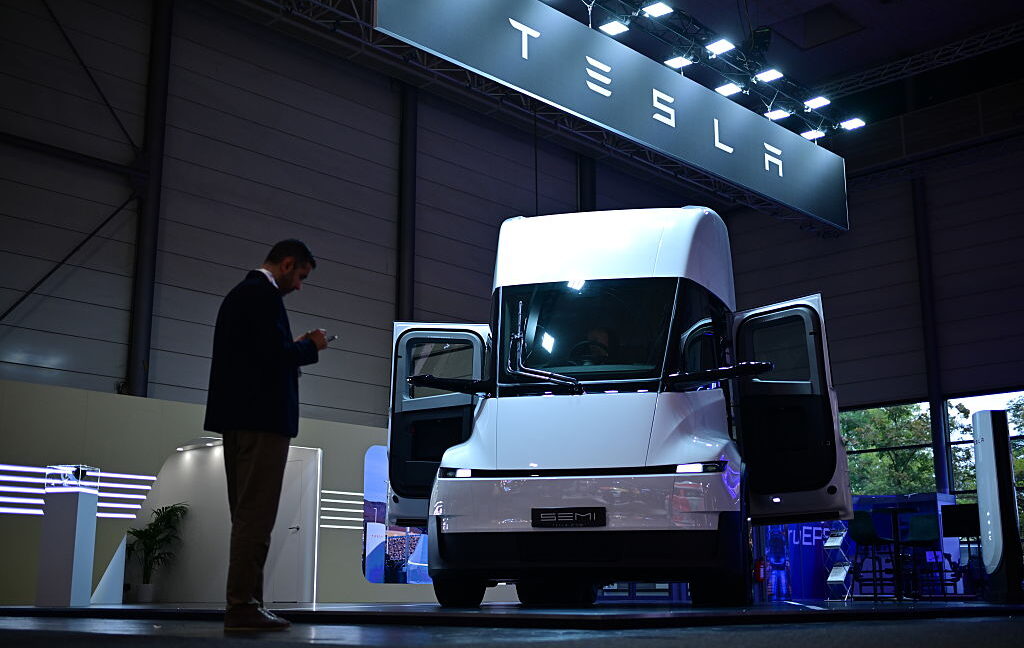
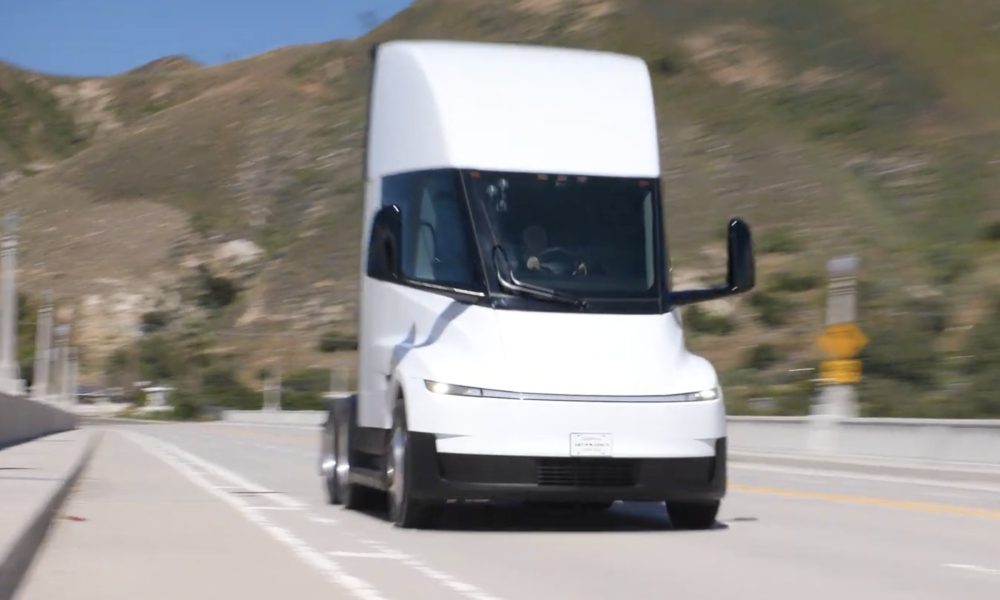
The milestone is real progress for a program that spent years promising more than it delivered. It is also, by Tesla’s own roadmap, a significant shortfall. With roughly six weeks left in 2026, the company has activated fewer than one-fifth of the 37 sites it planned to have open this year — a gap that raises pointed questions about the pace of infrastructure buildout for the Semi and the customers betting their fleets on it.
Mesquite Marks a Milestone, But a Modest One
The Mesquite station is strategically sensible. Located along the I-20/I-635 corridor east of Dallas, it sits in one of the busiest freight lanes in the country — exactly the kind of high-volume route where diesel Class 8 trucks earn their keep and where electric replacements must prove they can match them. Eight stalls is a meaningful start, but it is a fraction of the size of Tesla’s passenger-car Supercharger hubs, and it underscores how early the commercial charging buildout remains.
Tesla’s public map now shows 7 Megacharger locations and 44 stalls nationwide. For context, the company operates tens of thousands of Supercharger stalls for passenger EVs. The Megacharger network, by comparison, is still measured in dozens — a scale that can support pilot programs and early-adopter fleets, but not yet the kind of nationwide, always-available coverage that large logistics operators demand before committing capital.
The 37-Site Promise Meets Reality
Tesla’s 2026 target of 37 open Megacharger sites was ambitious when it was set, and the current count of seven makes the arithmetic uncomfortable. Hitting the goal would require roughly 30 additional sites in about six weeks — a pace the company has shown no sign of achieving. Even accounting for stations under construction that have not yet appeared on the public map, the trajectory points to a substantial miss.
The shortfall matters because the Semi is not a consumer product that can lean on home charging. Commercial trucks run fixed, demanding routes, and fleet operators evaluate electric vehicles almost entirely on uptime and total cost of ownership. A sparse charging network forces route compromises, limits daily range utilization, and complicates the depot-charging strategies that early Semi customers like PepsiCo have relied on. Every missing Megacharger is a corridor that stays diesel-only for another quarter.
Why the Buildout Is Lagging
Megachargers are harder than Superchargers in nearly every dimension. They draw enormous power — often requiring utility upgrades and new substations — and they demand megawatt-class charging hardware that Tesla has had to industrialize while simultaneously ramping Semi production. Permitting, grid interconnection queues, and site acquisition for truck-friendly layouts all move on timelines that Tesla’s passenger-car experience did not prepare it for.
There is also a chicken-and-egg problem at work. Fleet customers hesitate to order Semis without charging coverage; Tesla hesitates to pour capital into stations without committed truck volume. The Mesquite opening suggests Tesla is trying to break that loop by building where freight density is highest, but the pace implies the company is still calibrating how aggressively to spend on infrastructure ahead of demand.
What It Means for Owners and Investors
For fleet operators running or considering the Tesla Semi, the message is to plan around depot charging first and treat the public Megacharger network as a supplement, not a backbone. The 7-site, 44-stall footprint can support regional and pilot deployments in Texas and select corridors, but nationwide long-haul electrification remains years away at the current rate.
For investors, the Megacharger gap is a reminder that Tesla’s energy and infrastructure businesses do not scale as quickly as vehicle announcements suggest. The Semi program’s credibility now hinges less on specs and more on execution — specifically, whether Tesla can convert its 37-site plan into steel, wire, and megawatts before rivals and regulators lose patience. With six weeks left in 2026, the scoreboard reads 7 of 37, and the clock is running.