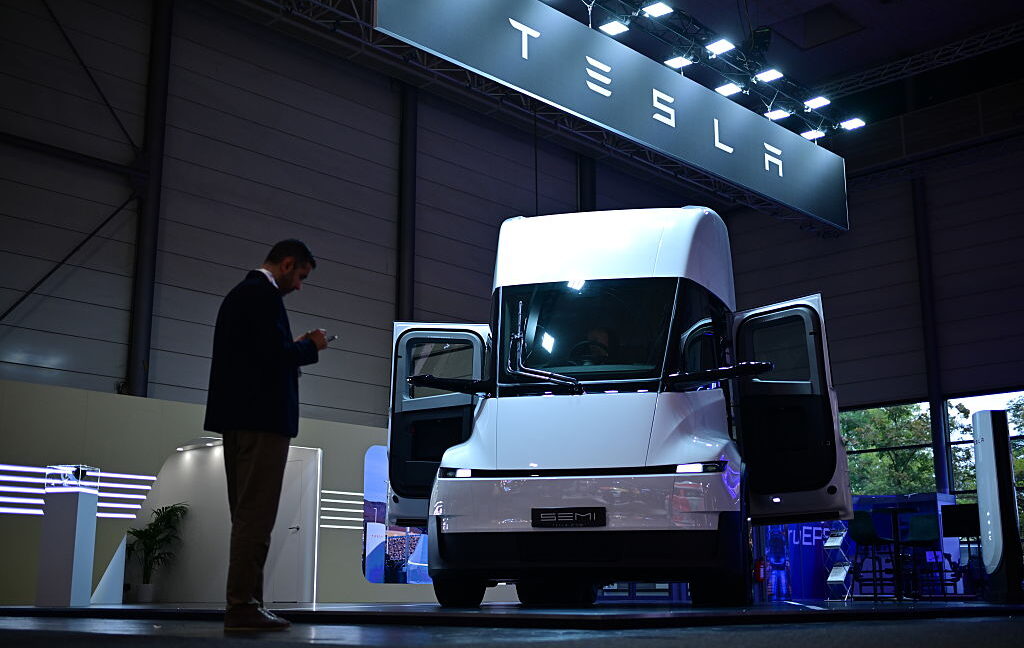
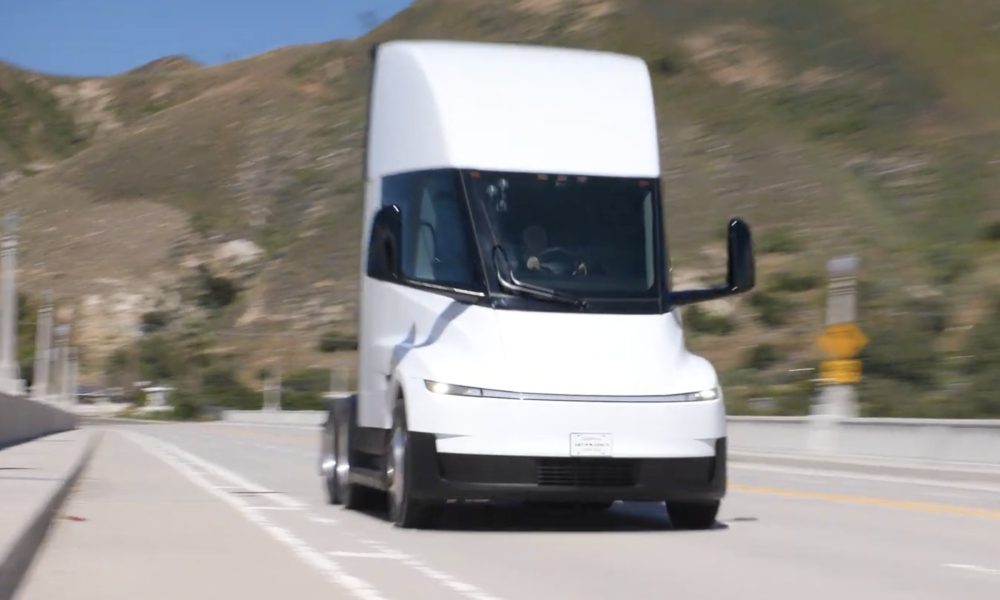
Tesla has quietly confirmed a significant milestone for its long-awaited Class 8 electric truck program, announcing that 50 Tesla Semi units are heading to Chicago — a rare public data point for a vehicle line the company has kept largely out of the spotlight since its first deliveries in late 2022. The confirmation came through Tesla's official Semi account, which stated that "Chicago's first 50 Semis" are on their way to the city, marking one of the largest single-batch delivery announcements the program has seen outside of its flagship customer PepsiCo.
A Rare Window Into a Quiet Program
Tesla has never disclosed Semi delivery figures in its quarterly earnings reports, leaving analysts and reservation holders to piece together production progress from scattered social media posts, customer announcements, and factory flyovers. That opacity makes today's confirmation notable: a verified batch of 50 trucks bound for a major Midwest logistics hub signals that the program is moving beyond the pilot phase and into broader commercial deployment.
The news also underscores the strategic importance of the Chicago market, a critical freight corridor connecting the Midwest to national supply chains. Fleets operating in and around the city face some of the country's toughest emissions standards, making electric Class 8 trucks an increasingly attractive proposition for carriers looking to cut fuel costs and comply with tightening regulations.
Nevada Factory Promises Scale That Deliveries Haven't Yet Shown
Tesla has claimed its new Nevada Semi factory — a dedicated high-volume production facility adjacent to Gigafactory Nevada — can eventually build 50,000 Semis per year. That figure, if realized, would represent a seismic shift in the North American heavy-duty truck market. For context, the entire U.S. Class 8 electric truck segment currently moves in the low thousands annually, with competitors like Freightliner's eCascadia and Volvo's VNR Electric still ramping their own programs.
The gap between that 50,000-unit ambition and the trickle of confirmed deliveries to date remains the central question for the Semi program. Each new batch — like this Chicago delivery of 50 — is scrutinized as a signal of whether Tesla is approaching meaningful production velocity or still working through early-stage manufacturing constraints. The company has not provided a timeline for when the Nevada line will reach full-rate output.
What the Chicago Delivery Signals for the Broader EV Truck Race
Every confirmed Semi delivery carries outsized weight because Tesla's silence on the program has fueled skepticism about its readiness to compete in a segment where reliability, uptime, and total cost of ownership matter far more than acceleration figures. A 50-truck deployment in Chicago gives prospective fleet buyers a real-world reference point — and gives Tesla a chance to demonstrate that its Megacharger infrastructure and service network can support commercial-scale operations, not just showcase routes.
The timing is also consequential. Competitors are steadily expanding their electric truck offerings, and regulators in states like California and Illinois are tightening rules on diesel fleets. If Tesla can convert its Nevada factory capacity into steady deliveries, it could capture a meaningful share of the early-adopter market before legacy truck makers scale their own electric lines.
For Tesla investors, the Chicago batch is a modest but meaningful validation that the Semi program is progressing, even if the delivery cadence remains far below the company's stated factory capacity. Watch for whether Tesla begins disclosing Semi volumes in future earnings calls — a shift that would signal growing confidence in the program. For fleet operators and reservation holders, the message is that trucks are moving, but patience is still required: at current visible delivery rates, the road to 50,000 units a year remains long.