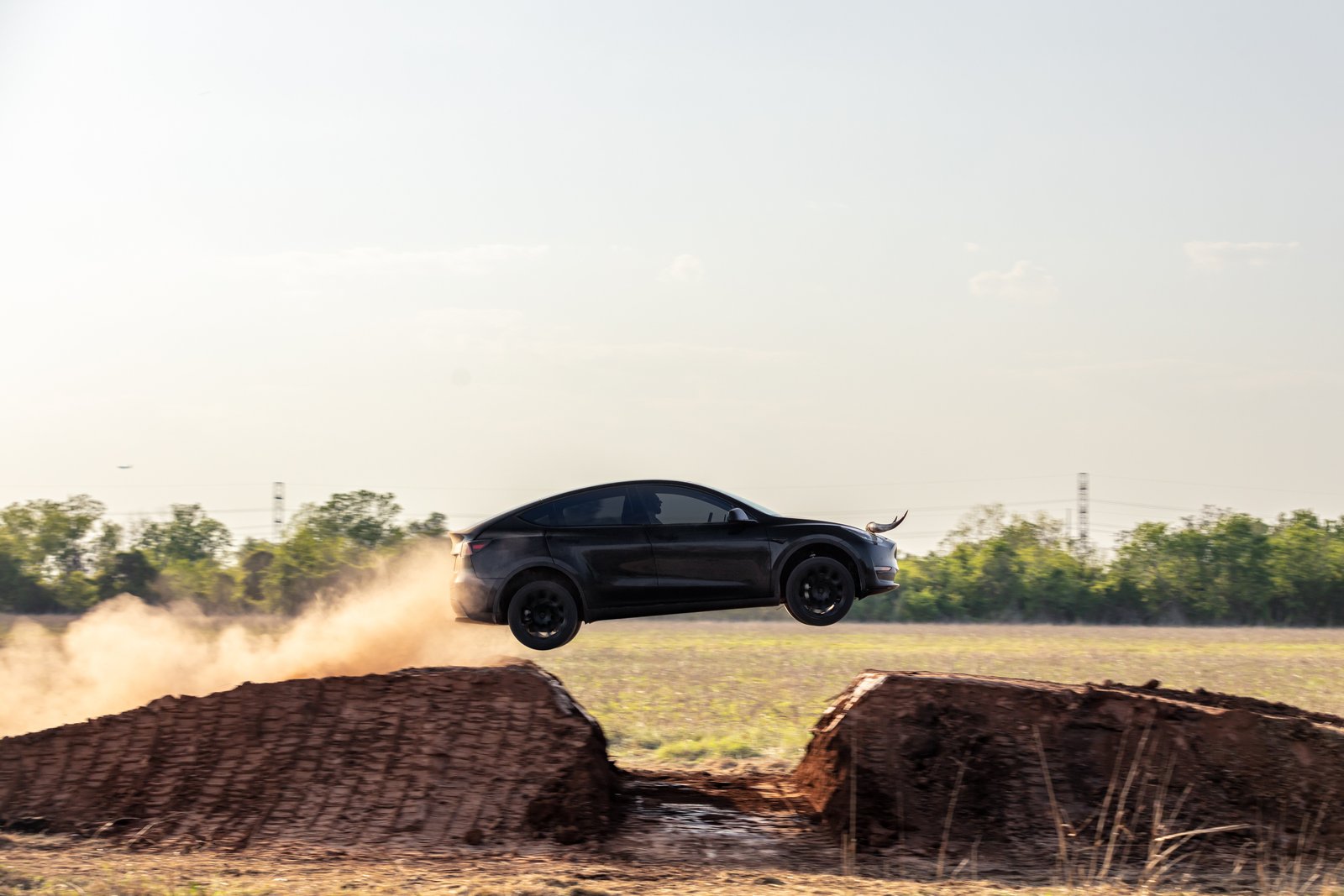
Tesla just made its biggest robotaxi move yet on paper. A single day of filings in Texas added 285 Cybercabs to the state registry, the largest one-day batch recorded for the Tesla autonomous program. The fleet now stands at 1,841 vehicles, and roughly 60% of them are the purpose-built two-seat Cybercab.
A Record Batch in the Texas Registry
The jump of 285 units in 24 hours stands out because of its size and its timing. Earlier additions to the robotaxi fleet were more gradual. This one signals a shift from small pilot groups to deployment at scale. A 60% Cybercab share works out to about 1,100 vehicles, so the dedicated robotaxi now outnumbers the rest of the fleet.
Registry entries are not the same as vehicles carrying paying riders. A filing shows that Tesla is putting cars into the regulatory pipeline. It does not show how many are in service, how many operate without a safety monitor, or how many are still in testing. That distinction matters, and Tesla has not published a breakdown of active versus registered units.
Why the Cybercab Share Matters
The Cybercab is the vehicle Tesla designed from scratch for autonomous ride-hailing. It is built for ride-hailing duty rather than adapted from a consumer car. Its growing share of the fleet is the clearest sign yet that the company is moving from retrofitted EVs toward hardware made for the job. That has direct implications for cost per mile, one of the key economic variables in the robotaxi business.
Texas is also the natural proving ground. Tesla's headquarters and its Giga Texas plant are there, and the state's regulatory framework for autonomous vehicles is relatively permissive. Concentrating registrations in Texas lets Tesla scale where it faces the fewest procedural obstacles, and it builds an operating record it can point to when it seeks approval elsewhere.
What It Means for Owners and Investors
For investors, the filing gives a concrete, verifiable data point behind the autonomy narrative. A fleet of 1,841 vehicles is still small next to established ride-hailing networks, but the pace of growth is what the market will watch. Key questions are how many Cybercabs reach active service, how utilization and safety metrics develop, and whether Tesla can turn registrations into revenue-generating rides at a sustainable margin.
Tesla owners should watch the same signals. A larger robotaxi fleet strengthens the case for the company's long-term vision of vehicles earning money on a network, and it puts more real-world miles behind the self-driving software that consumer cars rely on. The next milestones to track are expansion beyond Texas, any disclosure of active ride volumes, and regulatory responses as the Cybercab share keeps climbing.