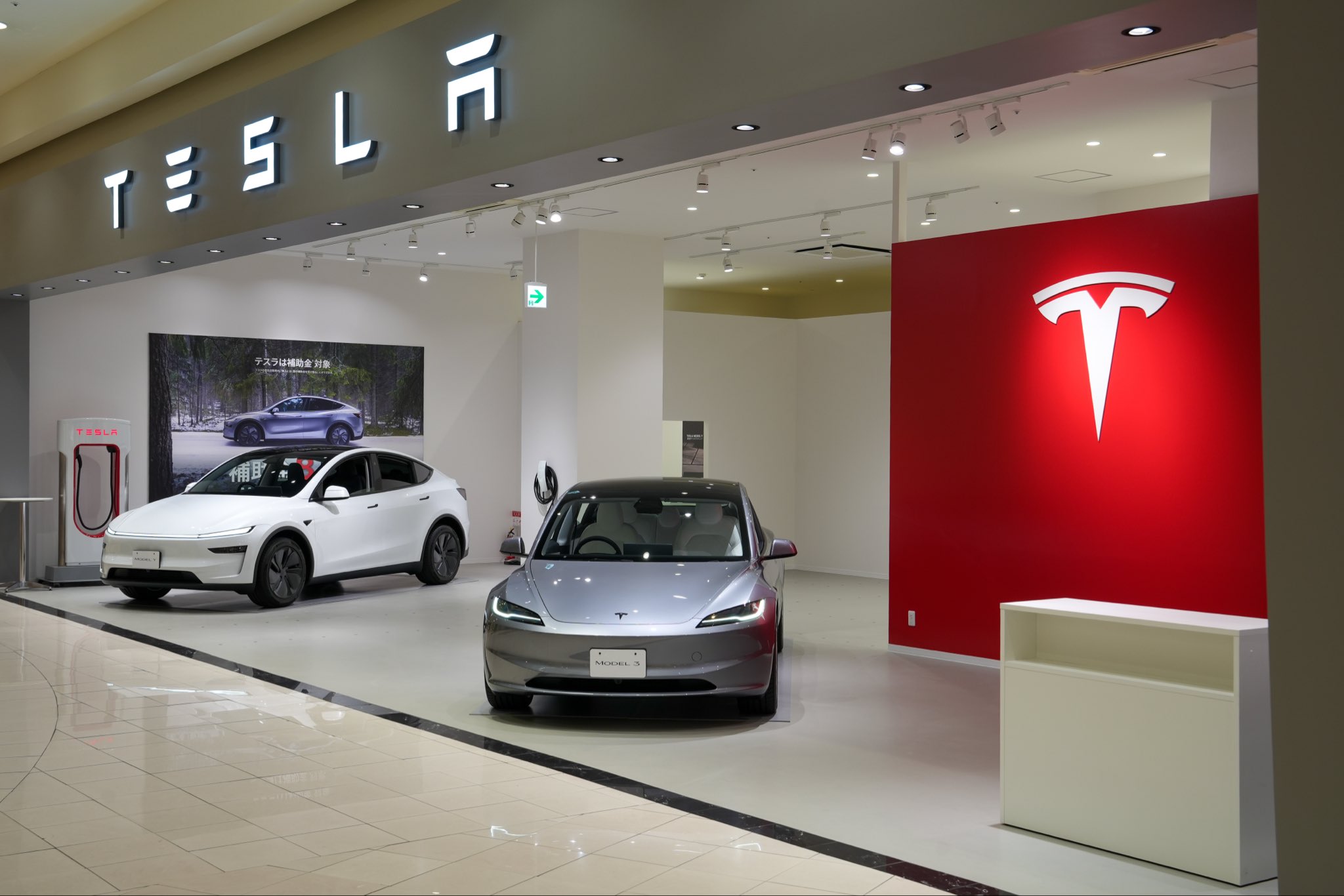
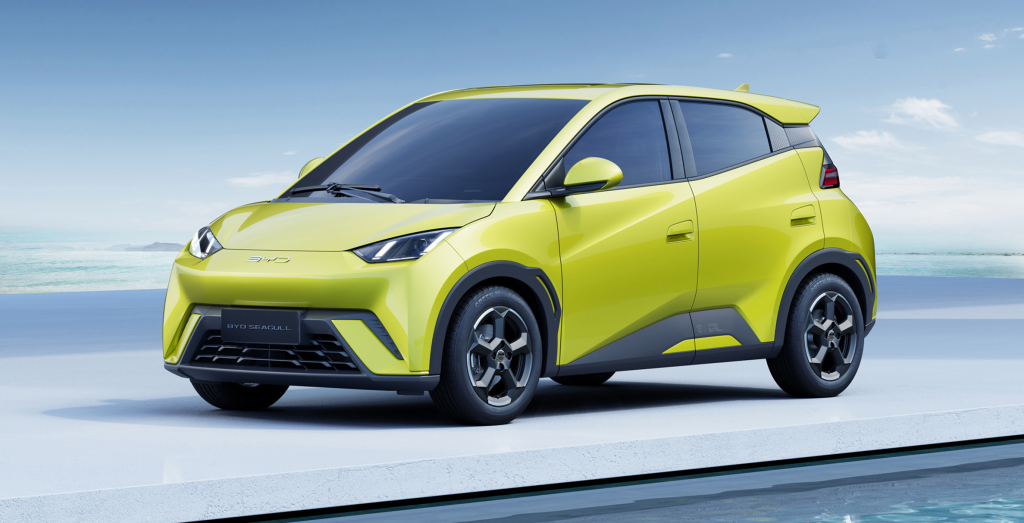
In a move that underscores the intensifying battle for China's electric vehicle market, smartphone giant Xiaomi has made a pivotal executive hire straight from its chief rival's playbook. The company has recruited Kong Yanshuang, the former General Manager of Tesla's China region, to spearhead its automotive sales and service operations. This strategic poaching is not merely a personnel change; it is a direct signal that Xiaomi is moving from a tech-centric product launch into a mature, aggressive phase of EV retail warfare, aiming to leverage proven expertise to achieve its ambitious target of 550,000 deliveries in 2026.
A Proven Leader for a Critical New Phase
Kong Yanshuang is no stranger to building a sales empire in the world's most competitive electric vehicle arena. During her tenure at Tesla, she was instrumental in scaling the company's direct-sales and service network across China, a critical factor in its dominant market position. Her deep understanding of the Chinese consumer, logistics, and the unique demands of selling high-tech EVs makes her a formidable asset. According to reports from Jiemian News, Kong officially joined Xiaomi in early March and is currently in a handover phase, taking over from Li Xiaorui, the former director of Xiaomi's automotive division. This appointment represents a clear professionalization of Xiaomi's go-to-market strategy as it transitions from presales hype to the complex, execution-heavy task of sustained delivery and customer satisfaction.
Xiaomi's Ambition Meets Tesla's Playbook
Xiaomi's entry into the automotive sector has been characterized by massive investment and rapid execution, with its first model, the SU7, garnering significant attention for its performance and technology integration. However, manufacturing a compelling car is only half the battle. The other half is creating a seamless, efficient, and scalable retail and ownership experience—a domain where Tesla has set the global standard. By bringing Kong on board, Xiaomi is effectively seeking to replicate and adapt that proven operational blueprint. The goal is to build a customer-facing machine capable of supporting its staggering growth targets, which would position it as a major player almost overnight in an industry where scale is paramount for profitability.
The implications of this hire extend beyond corporate rivalry. It highlights a broader trend where traditional automotive sales models are being upended by the direct, digitally-native approaches pioneered by Tesla and now being adopted by new entrants. Kong's experience in managing Tesla's end-to-end consumer journey, from online configuration to delivery and service, provides Xiaomi with invaluable institutional knowledge to avoid common pitfalls and accelerate its retail network maturation.
Implications for Tesla and the EV Landscape
For Tesla, the departure of a key China executive to a direct competitor is a notable, though not uncommon, challenge in a talent-rich market. It underscores the fierce competition for specialized EV talent in China and suggests that rivals are closely studying and aiming to emulate Tesla's core operational strengths. For Tesla owners and investors, it reaffirms that the company's greatest asset—its innovative business model—is now the template others are following, which could pressure margins and market share in its most critical region over the long term.
For the broader electric vehicle sector, Xiaomi's aggressive move signals that the next phase of the EV revolution will be fought on the front lines of sales execution and customer experience. As tech giants like Xiaomi leverage their consumer electronics expertise and now top-tier automotive talent, the pressure on legacy automakers and pure-play EV startups alike will intensify. The race is no longer just about who has the best battery or software, but about who can most effectively deliver and support the vehicle at a massive scale.