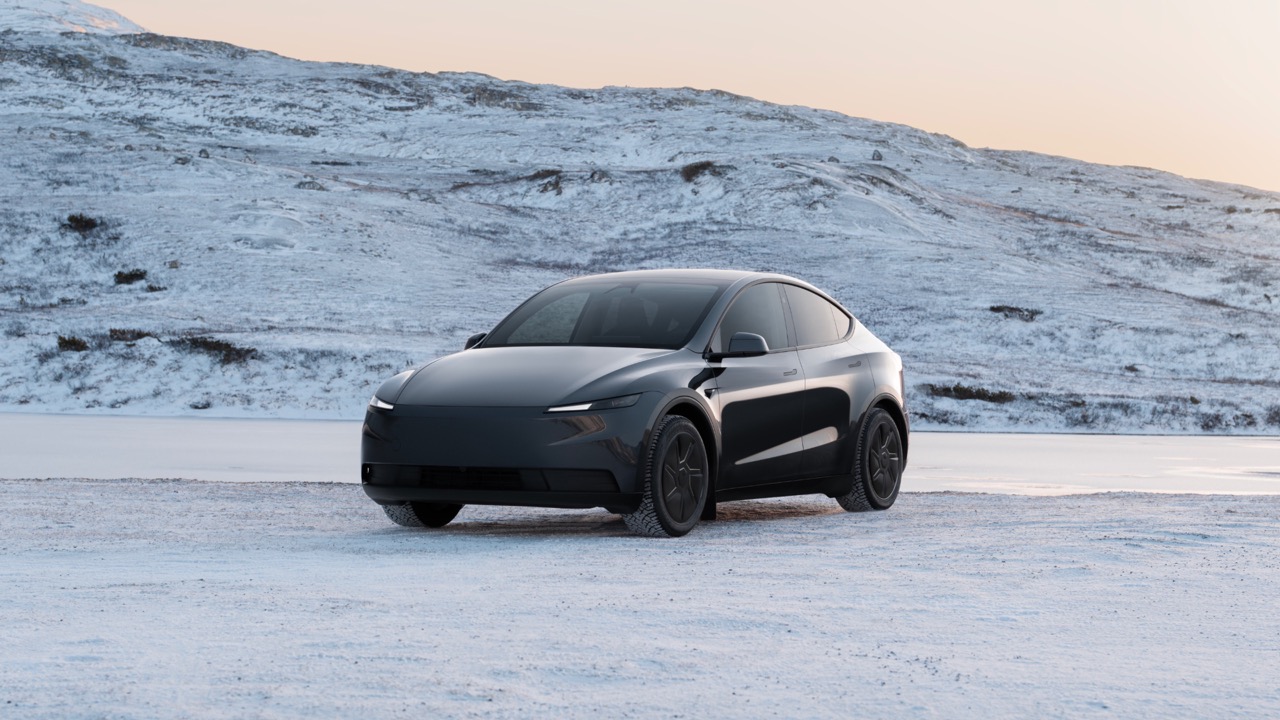
The electric vehicle market is a battlefield of philosophies, where every new contender is inevitably measured against the established titan: Tesla. The recent sales surge of the Renault 5 E-Tech in Europe, particularly its capture of the top EV sales spot in France for 2025 with 37,997 orders, has sparked a compelling David vs. Goliath narrative. However, for any consumer with a Tesla firmly in their crosshairs, choosing the charming French revivalist over the Silicon Valley disruptor may be a profound case of category confusion. A side-by-side examination reveals these are not merely different cars, but different visions for the future of mobility.
A Clash of Core Philosophies: Retro Charm vs. Tech Ecosystem
The Renault 5 E-Tech masterfully executes a nostalgic, accessible urban EV strategy. Its starting price, around €21,990 after incentives, positions it as an affordable city runabout. Its design is a heartfelt homage, and its focus is squarely on simplifying the transition to electric for the mainstream buyer. Tesla, in stark contrast, sells a comprehensive and ever-evolving technology platform. The Model Y, which reclaimed the French sales lead in February 2026, is a module in a larger ecosystem encompassing its proprietary Supercharger network, over-the-air software updates that continuously enhance performance and features, and a relentless push toward autonomous driving. The Renault 5 is a finished product; a Tesla is a product that is never truly finished.
The Performance & Experience Divide
This philosophical schism manifests dramatically on the road. The Renault 5 E-Tech, especially in its standard configuration, is designed for efficiency and urban agility, with modest range and acceleration figures that meet practical needs. The entry-level Tesla Model Y, however, delivers performance metrics that still embarrass many luxury combustion vehicles. The difference extends to the charging infrastructure. While third-party networks are expanding, Tesla's Supercharger network remains the gold standard for reliability, speed, and seamless integration. For an owner planning longer journeys, this ecosystem advantage is a critical, daily-life differentiator that transcends paper specifications.
Furthermore, the interior experience encapsulates the divide. The Renault 5 offers a playful, stylish cabin with conventional controls. The Tesla minimalist ethos, centered on the dominant touchscreen and lack of a traditional instrument cluster, represents a fundamental rethinking of the driver's interface. For a Tesla-minded buyer, accustomed to or seeking that integrated tech-forward environment, the Renault's approach, while user-friendly, can feel like a step back into a more conventional automotive past.
Implications for Tesla Owners and Investors
For potential Tesla owners, this comparison serves as a vital filter. If your priority is low upfront cost, compact size, and retro styling for city-centric driving, the Renault 5 E-Tech is a compelling and important vehicle for the market. But if you are investing in the idea of a connected, high-performance software-defined vehicle with superior long-distance travel capability, the Tesla's value proposition remains distinct and largely unchallenged by this segment. For investors, the Renault 5's success is not a direct threat but a validation of mass-market electrification. It grows the overall EV pie, potentially creating future Tesla customers as drivers upgrade. Tesla's mission has always been to accelerate the advent of sustainable transport; the Renault 5's sales victory in France, however temporary, signifies that acceleration is well underway.


