In a ruling with significant repercussions for the nation's electric vehicle infrastructure, a federal judge has delivered a sharp rebuke to former President Donald Trump's administration, stating it "defied the will of Congress" by abruptly cutting funding for public EV charger programs. The decision underscores the ongoing legal battles over the implementation of the Bipartisan Infrastructure Law and casts a spotlight on the precarious nature of policy shifts between administrations, directly impacting the pace of the U.S. charging network buildout.
A Judicial Check on Executive Power
The case centered on the Trump administration's decision to withhold congressionally appropriated funds designated for the Charging and Fueling Infrastructure (CFI) Discretionary Grant Program. Judge Tanya Chutkan's ruling found that the administration's move was not a lawful exercise of budgetary discretion but an unlawful impoundment of funds that Congress explicitly mandated be spent. This legal distinction is critical, reinforcing that once funding is allocated by Congress, the executive branch's authority to simply ignore those directives is severely limited. The ruling is part of a broader pattern of courts pushing back against perceived overreach, emphasizing that substantive policy changes require legislative action, not unilateral executive maneuvers.
Immediate Impact on Charging Network Expansion
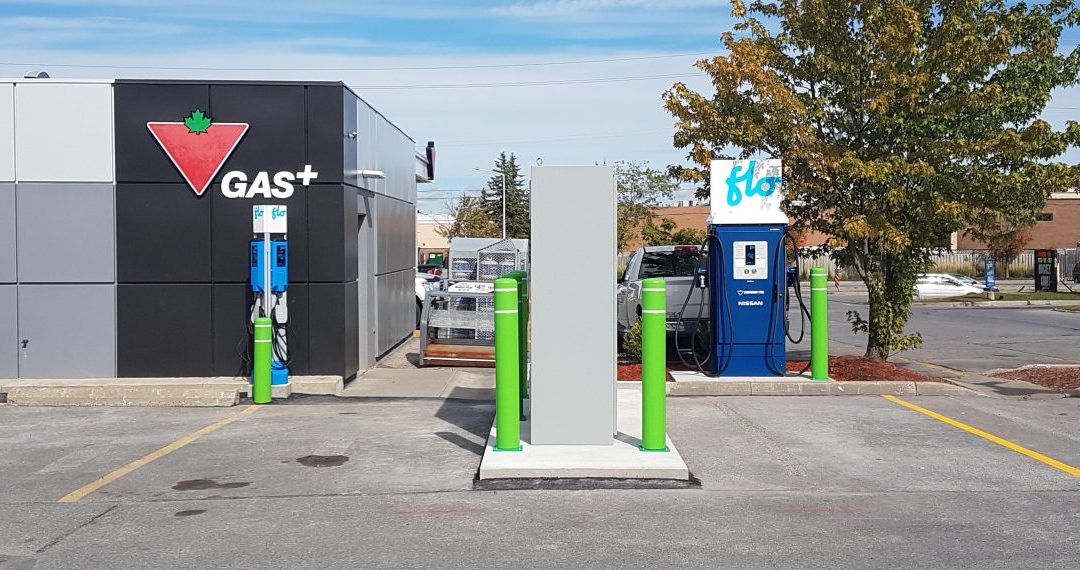
The practical effect of this impoundment was a tangible slowdown in the deployment of public charging stations, particularly along alternative fuel corridors and in community locations. This delay created uncertainty for states, municipalities, and private companies planning investments around these federal grants. For the EV industry at large, consistent and predictable policy is the bedrock for large-scale infrastructure projects. The Trump administration's action injected volatility, potentially discouraging complementary private investment just as the market needed confidence to scale. The ruling now obligates the current administration to release and administer these funds as Congress originally intended, providing a renewed, though delayed, impetus for network growth.
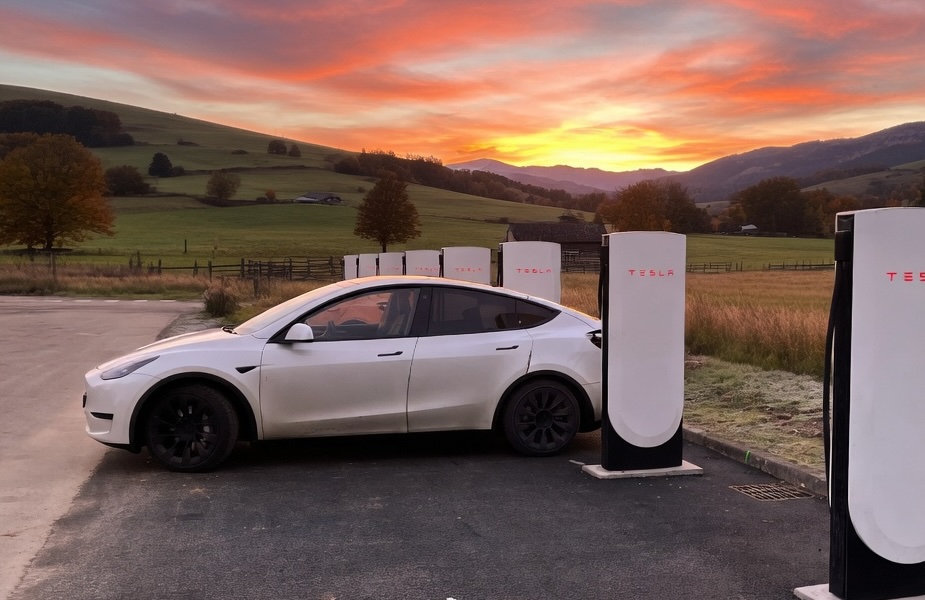
For Tesla, the implications are multifaceted. The company's Supercharger network remains its crown jewel, but the expansion of reliable non-Tesla charging infrastructure is vital for overall electric vehicle adoption—a tide that lifts all boats, including Tesla's. A slower public charger rollout could have indirectly benefited Tesla's competitive moat by making its proprietary network even more of a standout advantage. However, the broader stagnation harms the entire sector's growth potential. Furthermore, with Tesla opening its Superchargers to other EVs, a robust complementary network funded by programs like CFI helps alleviate future congestion and supports Tesla's new role as a charging infrastructure leader for all brands.
For Tesla owners and investors, this judicial ruling is a net positive for long-term ecosystem health. It reinstates a critical stream of funding that will help fill charging gaps, making EV ownership more practical for a wider audience and supporting higher overall sales volumes. Investors should view the stabilization of infrastructure policy as a reduction in systemic risk for the EV market. The decision also serves as a reminder of the regulatory and political volatility that can affect Tesla's operating environment, highlighting that its success is still partially tethered to government actions beyond its direct control. The path to electrification, it seems, runs not just through factory gates and showrooms, but steadfastly through the halls of Congress and the courtrooms that uphold its laws.