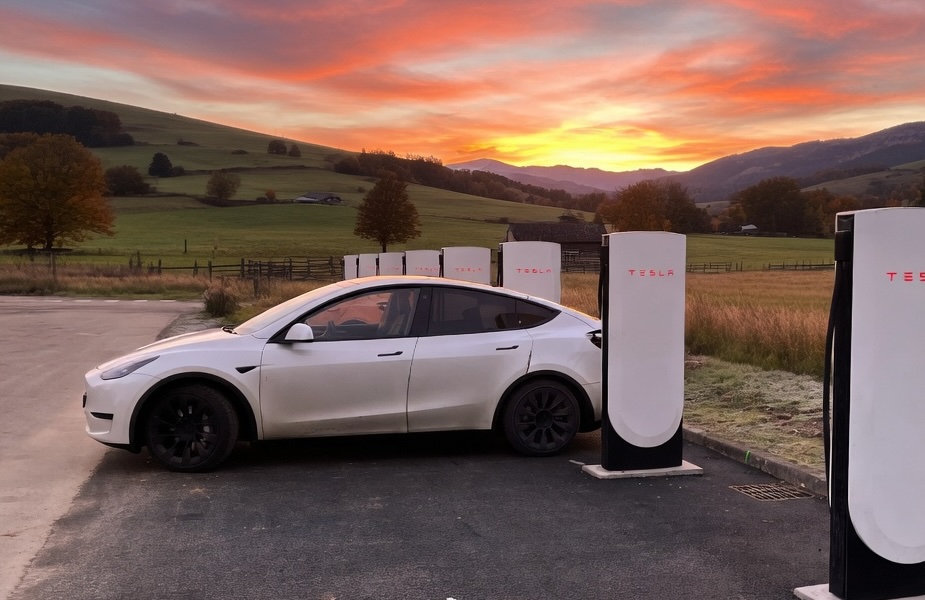
In the wake of severe winter weather that crippled power grids and left thousands in the dark, Tesla has transformed its proprietary charging infrastructure into a public utility. The company has activated free Supercharging at eight strategic locations across Mississippi and Tennessee, providing a critical power lifeline for affected EV owners and underscoring the evolving role of vehicle-to-grid resilience.
Superchargers as Emergency Infrastructure
This move is not Tesla's first use of its network for disaster relief, but it highlights a deliberate corporate strategy. Following a late January winter storm that caused prolonged outages, Tesla identified key corridors where its infrastructure could have the greatest community impact. By waiving fees at these specific stations, the company ensures that Tesla drivers can recharge not only for mobility but also to power their homes using bidirectional capabilities like the Powershare feature available in the Cybertruck and updated Model variants. This effectively turns parked vehicles into emergency backup batteries for essential devices and heating.
The Logistics of a Free Charging Rollout
Implementing free charging across a select network requires careful backend coordination. Tesla remotely updated the payment systems at the eight designated stations, allowing any compatible vehicle to plug in without incurring costs. This seamless digital intervention avoids the need for physical modifications or on-site staff. The selected stations are likely positioned along major evacuation routes or near areas reporting the most severe infrastructure damage, ensuring access for those who need it most while managing potential congestion.
The context of this activation is significant. As extreme weather events become more frequent, the vulnerability of traditional power infrastructure is laid bare. Tesla's action demonstrates a nimble, technology-first approach to crisis response. It also serves as a real-world stress test for the concept of a distributed energy network, where millions of electric vehicles could act as a decentralized buffer against grid failures. This event provides tangible data on usage patterns and energy demand during emergencies, valuable information for both Tesla and regional planners.
Implications for Owners and the Energy Ecosystem
For Tesla owners in the affected regions, this policy is both an immediate benefit and a proof of concept for their investment's broader value. It reinforces the advantage of having access to a large, integrated, and intelligently managed fast-charging network. For investors, it highlights a strategic asset often undervalued in traditional analyses: the Supercharger network is not just a revenue stream but a powerful tool for brand loyalty, public relations, and infrastructure leverage that competitors cannot quickly replicate.
Looking ahead, this event will likely fuel discussions on formalizing partnerships between EV manufacturers and emergency management agencies. Tesla's initiative sets a precedent, suggesting that future vehicle-to-grid (V2G) integration could be a contractual component of community disaster preparedness plans. As the energy and transportation sectors continue to converge, the ability of an EV fleet to support the grid in times of crisis may become a standard expectation, reshaping how we define resilience in the electrified age.