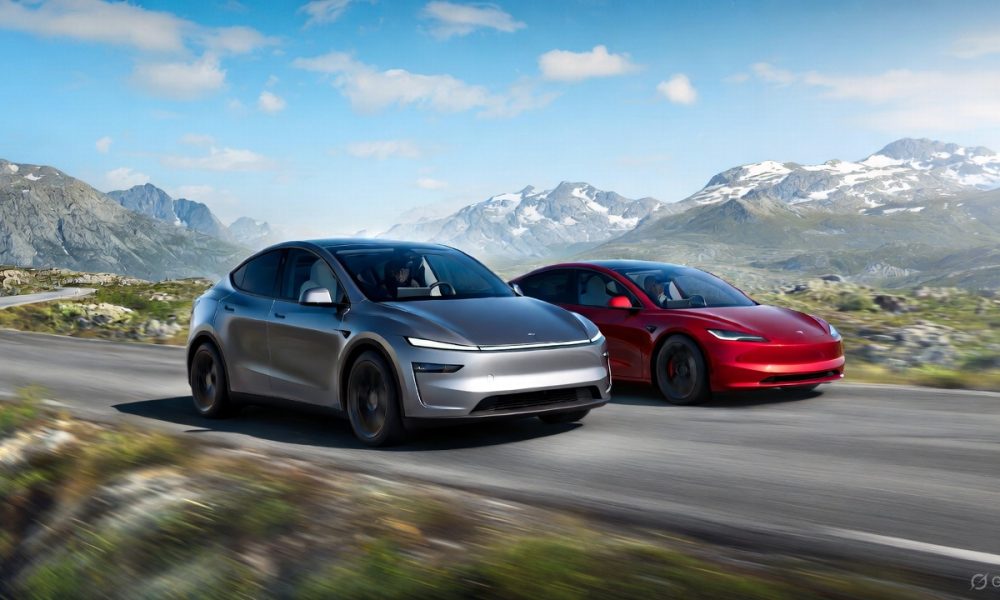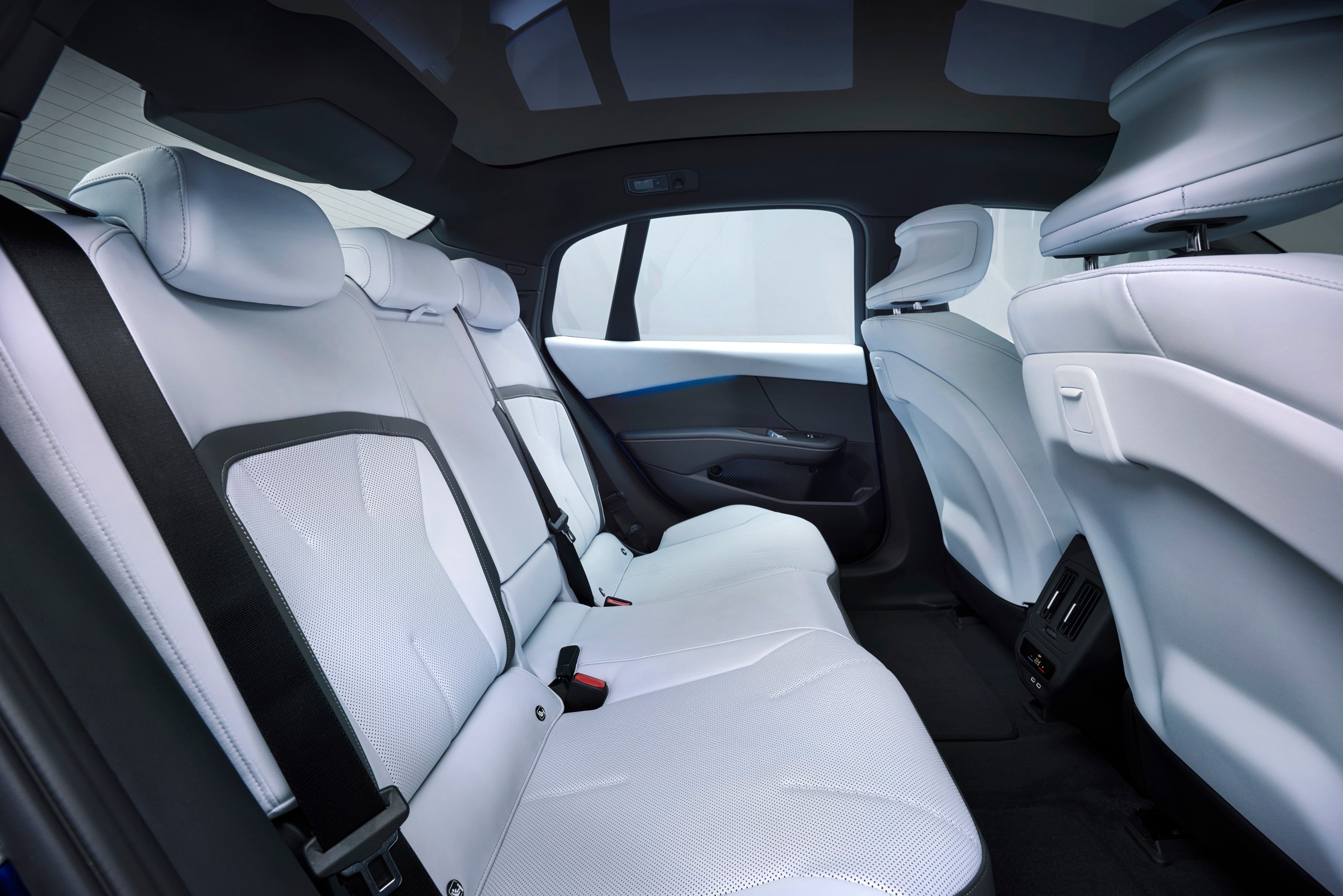
In the high-stakes world of electric vehicle manufacturing, the journey from prototype to production is rarely a straight line. For Tesla, a company built on relentless iteration, the principle of "third time's a charm" is less a hopeful proverb and more a core tenet of its engineering philosophy. This approach, moving rapidly from initial concept to refined final product, is now being put to its most significant test yet with the development of its next-generation vehicle platform and the highly anticipated affordable "Model 2."
The Iterative Imperative: From Roadster to "Unboxed"
Tesla's history is a masterclass in iterative design. The original Roadster was a proof of concept, the Model S a revolutionary sedan that defined the modern EV, and the Model 3 the hard-won volume champion. Each leap was built on lessons from the last. Now, the company is applying this hardened wisdom to its next frontier: radically reducing manufacturing costs. The "Unboxed" assembly process, revealed at Investor Day 2023, represents a third-generation manufacturing philosophy aimed at deconstructing the traditional assembly line. By building large sub-assemblies in parallel and snapping them together, Tesla targets a 50% reduction in factory footprint and a dramatic cut in production costs, which is essential for a mass-market vehicle.
The Affordable EV: Getting the Third Act Right
The pressure is on for this third platform to succeed where others have struggled: delivering a truly high-volume, profitable affordable EV. While competitors grapple with scaling and margins, Tesla's iterative advantage could be decisive. The platform is expected to underpin a compact vehicle, often colloquially called the "Model 2," with a target price point rumored to be around $25,000. Achieving this requires not just new manufacturing tech but also breakthroughs in battery chemistry and vehicle electronics. Tesla's work on 4680 structural battery packs and a next-generation powertrain are critical pieces of this puzzle, aiming to deliver maximum range and performance at an unprecedented cost.
For Tesla owners and investors, the implications are profound. A successful third-generation platform solidifies Tesla's transition from a niche luxury player to a dominant global automaker, potentially unlocking an order of magnitude larger market. It would create a formidable economic moat through manufacturing efficiency that competitors would struggle to match for years. For the EV ecosystem, a $25,000 Tesla accelerates total adoption, putting immense pressure on legacy automakers and potentially reshaping the entire automotive landscape within this decade. The charm of this third iteration, therefore, isn't just about a new car—it's about validating a new, superior method of building vehicles for the electric age.