In a move that underscores its deepening integration into the digital and physical fabric of its adopted home state, Tesla is rolling out a series of significant updates with a distinct Texan flavor. The announcements, which blend cutting-edge vehicle technology with strategic software integration, arrive alongside a major competitive development from a traditional automotive giant. This trifecta of news signals a rapidly maturing EV landscape where energy independence, digital ecosystems, and next-generation battery promises are taking center stage.
Texas-Sized Power: Cybertruck Owners Gain V2G Access
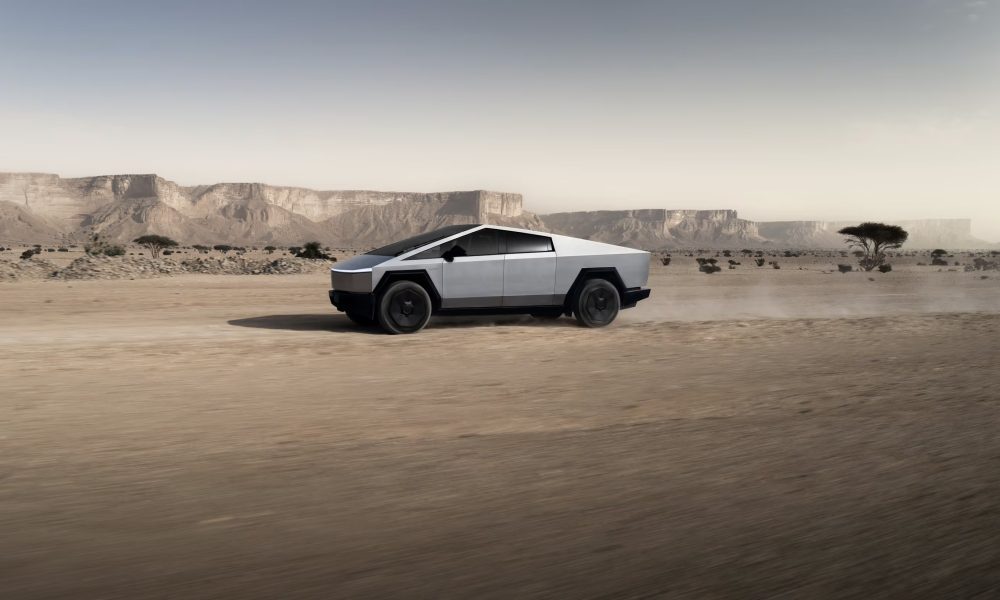
Tesla is beginning to unlock one of the Cybertruck's most anticipated features: vehicle-to-grid (V2G) capabilities. Initially rolling out to owners in Texas, this functionality transforms the angular electric pickup into a massive backup power source for homes and, potentially, the broader grid. This isn't just a party trick; it's a foundational step towards Tesla's vision of a distributed energy ecosystem. For Texans familiar with grid instability, the ability to power a home from a Cybertruck's massive battery pack during an outage is a game-changing proposition, further cementing the vehicle's utility beyond mere transportation.
WeChat Integration: Tesla's Nod to a Key Demographic
In a strategic software update, Tesla is introducing WeChat integration via an over-the-air (OTA) update for its Model 3 and Model Y vehicles. This move, far more significant than adding another app, directly caters to a crucial global demographic and reflects Tesla's nuanced approach to market-specific preferences. WeChat is a super-app central to daily life for millions, and its inclusion on Tesla's infotainment system lowers a key barrier to entry and enhances convenience for users reliant on the platform. It’s a clear bet on software-driven customer satisfaction and market alignment, proving that Tesla views its screens as portals to a user's entire digital life, not just media and navigation.
Toyota's Solid-State Gambit Enters the Arena
While Tesla advances software and energy services, Toyota is making a bold play on the hardware front with the reveal of an all-new electric Toyota Highlander boasting a claimed range of 320 miles. More critically, Toyota indicates this next-generation platform is designed to eventually accommodate its long-promised solid-state battery technology. This represents Toyota's most serious bet yet on cracking the solid-state code—a technology touted for faster charging, higher energy density, and improved safety. The announcement is a shot across the bow, signaling that the industry's patience for a breakthrough is wearing thin and that Toyota intends to be a formidable competitor in the pure-EV space it has cautiously approached.
The implications for Tesla and its community are multi-faceted. For Tesla owners, the V2G rollout, starting in Texas, is a tangible preview of a future where their vehicle is a financial and practical energy asset. The WeChat integration exemplifies Tesla's agility in enhancing the digital ownership experience through software. For investors, Toyota's concrete progress on a high-range EV platform with a solid-state roadmap validates the overall EV transition while highlighting that the battery technology race is far from over. It applies pressure on all automakers, including Tesla, to continue innovating on core battery chemistry to maintain a competitive edge. The message is clear: the EV market's next phase will be won on software ecosystems, energy utility, and, ultimately, the fundamental advancements inside the battery pack itself.